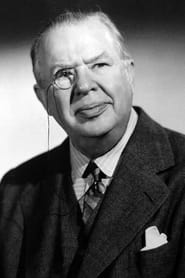
Charles Coburn
Actor
Born: June 19, 1877 in Savannah, Georgia, USA Died: August 30, 1961 Active: 1936-1961 Birth Name: Charles Douville Coburn
Films
2 films
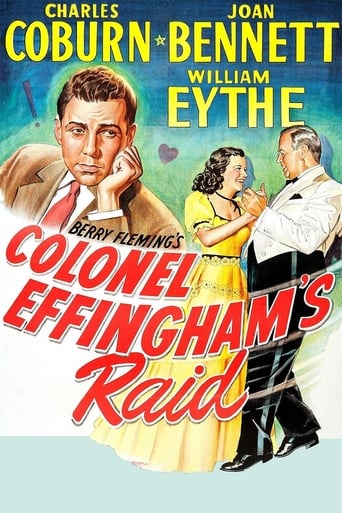
About Charles Coburn
Charles Douville Coburn — American character actor who enjoyed a remarkable career spanning stage, film, and television. Born in Savannah, Georgia, Coburn began his entertainment career as a teenager in theater, eventually managing his own theatrical company before making his film debut at age 59 in 1936. Despite his late start in Hollywood, he quickly established himself as one of the industry's most reliable supporting actors, known for his distinctive white hair, mustache, and sophisticated demeanor. Coburn specialized in playing wealthy businessmen, judges, and authority figures, often bringing a dry wit and underlying warmth to his characters. His breakthrough role came in 'The More the Merrier' (1943), for which he won the Academy Award for Best Supporting Actor. Throughout his career, he appeared in over 100 films, working with Hollywood's biggest stars and directors, and became beloved for his ability to steal scenes with minimal dialogue and maximum impact. Coburn continued acting until his death in 1961, leaving behind a legacy as one of cinema's most memorable character actors.
The Craft
On Screen
Coburn was renowned for his sophisticated, often curmudgeonly but ultimately charming characterizations. He possessed a distinctive gravitas and impeccable timing, delivering lines with dry wit and precise articulation. His stage background gave him a commanding presence, and he excelled at playing wealthy, authoritative figures with a twinkle in his eye. Coburn's technique involved minimal gestures and maximum impact, often conveying complex emotions through subtle facial expressions and his distinctive voice. He had a unique ability to balance sternness with warmth, making even his most cantankerous characters endearing to audiences.
Milestones
- Academy Award for Best Supporting Actor for 'The More the Merrier' (1943)
- Successful transition from stage to film at age 59
- Appeared in over 100 films in 25-year film career
- Became one of Hollywood's most recognizable character actors
- Starred in both dramatic and comedic roles with equal success
Best Known For
Iconic Roles
Must-See Films
Accolades
Won
- Academy Award for Best Supporting Actor for 'The More the Merrier' (1943)
Nominated
- Academy Award nomination for Best Supporting Actor for 'The Devil and Miss Jones' (1941)
- Academy Award nomination for Best Supporting Actor for 'The More the Merrier' (1943)
Special Recognition
- Hollywood Walk of Fame star (located at 6268 Hollywood Boulevard)
- Georgia Music Hall of Fame (inducted as a notable Georgian)
Working Relationships
Worked Often With
Studios
Why They Matter
Impact on Culture
Charles Coburn significantly influenced Hollywood's approach to character acting, demonstrating that supporting players could be as memorable as leads. His late-career success proved that talent and presence could overcome age barriers in Hollywood, paving the way for other mature actors. Coburn helped establish the archetype of the lovable curmudgeon, a character type that became a staple in American cinema. His sophisticated yet accessible performances in films like 'The More the Merrier' and 'The Devil and Miss Jones' showcased how comedy could be used to explore social issues, particularly class dynamics during the Great Depression and World War II eras.
Lasting Legacy
Charles Coburn's legacy endures through his extensive body of work and the impact he had on character acting in Hollywood. He remains. His Academy Award win helped validate the importance of supporting performances in cinema, and his ability to transition successfully from stage to film at an advanced age inspired countless performers. Coburn's films continue to be studied and appreciated for their craftsmanship, and his performances serve as masterclasses in subtle, effective character work.
Who They Inspired
Coburn influenced generations of character actors through his distinctive style and professional approach. His ability to create memorable characters with limited screen time became a model for supporting performances. Actors like Edmund Gwenn, Clifton Webb, and later character actors such as Morgan Freeman and Christopher Plummer have drawn inspiration from Coburn's ability to balance authority with warmth. His work in screwball comedies particularly influenced how actors approached sophisticated humor, showing that wit and charm could be conveyed through timing and presence rather than slapstick or broad gestures.
Off Screen
Charles Coburn married twice during his lifetime. His first marriage was to actress Ivah Wills in 1906, with whom he co-managed their theatrical company. Ivah died in 1937, the same year Coburn was seriously injured in a car accident that nearly ended his career before it began. He married Winifred Natzka in 1959, remaining with her until his death. Coburn was known for his professionalism and dedication to his craft, often working well into his 80s. He maintained a reputation as a gentleman both on and off set, respected by colleagues for his wisdom and experience.
Education
Limited formal education, primarily self-taught through extensive reading and theater experience
Family
- Ivah Wills (1906-1937, her death)
- Winifred Natzka (1959-1961, his death)
Did You Know?
- Didn't make his first film until age 59
- Won an Oscar for only his 6th film appearance
- Was seriously injured in a car accident in 1937 that nearly ended his career
- Managed his own theatrical company for over 20 years before entering films
- His distinctive white hair was natural, not dyed for roles
- Often played characters much older than his actual age
- Was a successful Broadway producer before becoming an actor
- Spoke several languages fluently, which helped in international productions
- Was known for never forgetting his lines or requiring multiple takes
- His final film was released posthumously in 1962
In Their Own Words
Acting is not being emotional, but being able to express emotion.
I never wanted to be a star. I wanted to be an actor.
The secret to longevity in this business is simple: show up, know your lines, and don't cause trouble.
Comedy is serious business. You have to be twice as smart to make people laugh as to make them cry.
Frequently Asked Questions
Who was Charles Coburn?
American character with credits in this catalog. He began his career in theater and transitioned to film at age 59, winning an Academy Award for Best Supporting Actor for 'The More the Merrier' in 1943.
What films is Charles Coburn best known for?
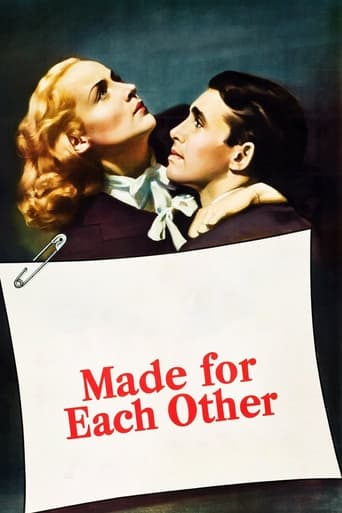
Titles linked here include The More the Merrier (1943), The Devil and Miss Jones (1941).
When was Charles Coburn born and when did he die?
Born June 19, 1877; died August 30, 1961.
What awards did Charles Coburn win?
Charles Coburn won the Academy Award for Best Supporting Actor for his role in 'The More the Merrier' (1943). He also received nominations for Best Supporting Actor for 'The Devil and Miss Jones' (1941) and has a star on the Hollywood Walk of Fame.
What was Charles Coburn's acting style?
Coburn was known for his sophisticated, dry wit and impeccable timing. He specialized in playing authoritative figures with underlying warmth, using minimal gestures and maximum impact. His stage background gave him a commanding presence, and he excelled at balancing sternness with charm.
How old was Charles Coburn when he started his film career?
Charles Coburn made his film debut at age 59 in 1936, making him one of Hollywood's most successful late-bloomers. Despite starting in films relatively late, he quickly became one of the industry's most recognizable character actors.
What was Charles Coburn's background before acting?
Before entering films, Coburn had a successful career in theater spanning over 40 years. He managed his own theatrical company with his first wife Ivah Wills and was a successful Broadway producer. He also worked in various business ventures before fully committing to entertainment.