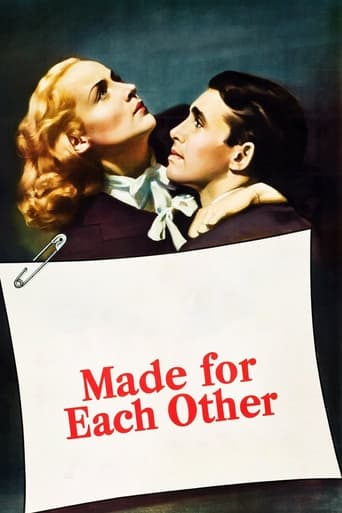
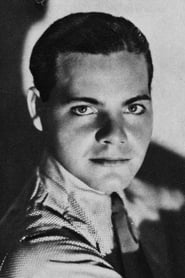
Eddie Quillan
Actor
Born: March 31, 1907 in Philadelphia, Pennsylvania, USA Died: July 19, 1990 Active: 1922-1975 Birth Name: Edward Francis Quillan
Films
4 films

About Eddie Quillan
American character actor: over five decades, beginning in the silent film era and continuing through the Golden Age of Hollywood. Born into a vaudeville family, he began performing on stage as a child and made his film debut in the mid-1920s, quickly establishing himself as a versatile comedic actor. Quillan successfully transitioned from silent films to talkies, adapting his high-energy style to the new medium with remarkable ease. Throughout the 1930s and 1940s, he became one of Hollywood's most recognizable supporting players, appearing in over 200 films and working with virtually every major studio. His distinctive nervous energy and rapid-fire delivery made him particularly effective in comedy roles, though he also demonstrated dramatic range in films like John Ford's 'The Grapes of Wrath.' As the studio system declined, Quillan transitioned to television work, appearing in numerous popular series throughout the 1950s and 1960s. His final screen appearance came in the 1970s, closing out a remarkable career that had made him a familiar face to generations of American moviegoers.
The Craft
On Screen
Quillan was known for his high-energy, nervous comedic style characterized by rapid speech patterns, expressive facial movements, and a perpetually anxious demeanor. His performances often featured a distinctive whiny voice quality and physical comedy that made him particularly effective in roles as worried sidekicks, excitable clerks, or nervous businessmen. Despite being typecast in comedic roles, he demonstrated considerable dramatic range when given the opportunity, particularly in his more serious character parts during the 1940s.
Milestones
- Transitioned successfully from silent films to talkies
- Appeared in John Ford's 'The Grapes of Wrath' (1940)
- Became a reliable supporting actor at major studios
- Appeared in over 200 films during his career
- Successfully transitioned to television in the 1950s
- Worked with comedy legends Abbott and Costello
- Member of the famous Quillan vaudeville family
Best Known For
Iconic Roles
Must-See Films
Accolades
Won
- No major Academy Awards or competitive honors
Nominated
- No known Academy Award nominations
Special Recognition
- Hollywood Walk of Fame star (contributions to motion pictures)
Working Relationships
Worked Often With
Studios
Why They Matter
Impact on Culture
Eddie Quillan represents the archetype of the reliable Hollywood character actor who provided essential support to leading players across decades of American cinema. His work in both silent and sound films exemplifies the successful transition many performers made during this technological revolution in Hollywood. Quillan's distinctive nervous energy and comedic timing influenced generations of character actors, particularly in the realm of anxious, high-strung supporting roles. His appearances in classic films like 'The Grapes of Wrath' demonstrate how even minor character performances contribute to the overall impact of cinematic masterpieces.
Lasting Legacy
Eddie Quillan's legacy lies in his remarkable longevity and versatility as a character actor during Hollywood's golden era. With over 200 film and television appearances to his credit, he became. His ability to adapt from silent films to talkies, and later to television, showcases the resilience and adaptability required for long-term success in the entertainment industry. Today, film scholars and classic movie enthusiasts recognize Quillan as an essential component of Hollywood's supporting cast system, embodying the countless talented performers who made leading stars shine.
Who They Inspired
Quillan influenced subsequent generations of character actors through his distinctive nervous comedic style and his demonstration of how to maintain a steady career through changing industry conditions. His rapid-fire delivery and physical comedy techniques can be seen echoed in later character actors who specialized in anxious or excitable roles. His successful navigation from silent films to talkies provided a template for other performers facing similar transitions, while his later television work showed how film actors could successfully adapt to the new medium.
Off Screen
Eddie Quillan was born into the famous Quillan vaudeville family, with his parents and siblings all performers. He married actress Susan Ahern in 1935, and they had two children together before divorcing. He later married actress Marie Harmon in 1948, with whom he remained until his death. Quillan was known as a reliable professional in Hollywood, maintaining steady employment even during difficult periods in the industry. He spent his final years in Burbank, California, where he passed away from heart failure at age 83.
Education
Educated primarily through vaudeville touring and on-set experience; no formal higher education documented
Family
- Susan Ahern (1935-1947)
- Marie Harmon (1948-1990)
Did You Know?
- Began his career at age 7 in his family's vaudeville act
- Appeared in both silent and sound versions of some films
- His sister was actress Irene Quillan
- Worked with virtually every major comedy team of his era
- Appeared in multiple films directed by both John Ford and Cecil B. DeMille
- Was a regular on the television series 'The Real McCoys' in the 1960s
- His final film appearance was in 1975's 'The Wild McCullochs'
- Often played characters much younger than his actual age
- Was known for his ability to deliver rapid dialogue with perfect clarity
- Survived the transition from silent films to talkies better than many of his contemporaries
In Their Own Words
In interviews: 'I never wanted to be a star. I just wanted to work, and I've been working my whole life.'
On his acting style: 'Nervousness comes naturally to me. I guess that's why they kept casting me as the anxious type.'
About Hollywood: 'It's a tough town, but if you're reliable and professional, you can always find work.'
Frequently Asked Questions
Who was Eddie Quillan?
Screen credits include over 200 films from the silent era through the 1970s. He was particularly famous for playing anxious, excitable supporting roles in classic Hollywood films and successfully transitioned from silent films to talkies and later to television.
What films is Eddie Quillan best known for?
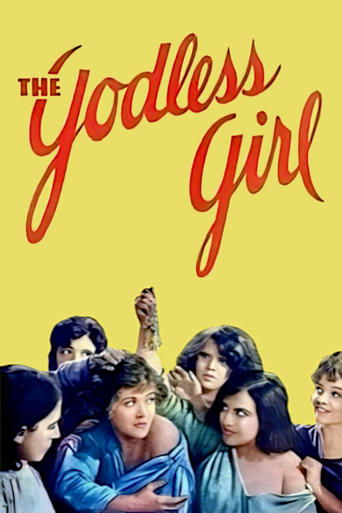
Titles linked here include The Godless Girl (1929), The Grapes of Wrath (1940).
When was Eddie Quillan born and when did he die?
Born March 31, 1907; died July 19, 1990.
What awards did Eddie Quillan win?
While Eddie Quillan did not win major competitive awards like Academy Awards, he received a star on the Hollywood Walk of Fame for his contributions to motion pictures. His recognition came primarily from his steady employment and the respect he earned as a reliable character actor throughout Hollywood's golden era.
What was Eddie Quillan's acting style?
Quillan was known for his high-energy, nervous comedic style featuring rapid speech, expressive facial movements, and a perpetually anxious demeanor. His distinctive whiny voice and physical comedy made him perfect for roles as worried sidekicks, excitable clerks, or nervous businessmen, though he could also handle dramatic material when required.