

The Godless Girl
"Accidentally killed stairway collapse."
Keys: Space play/pause · ←/→ 10s · F fullscreen · M mute · </> speed
About this film
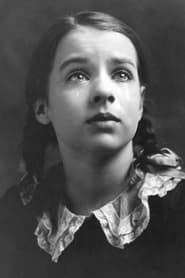
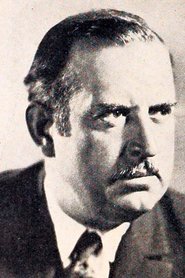
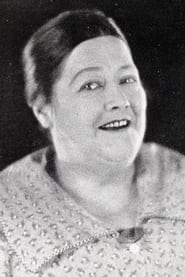
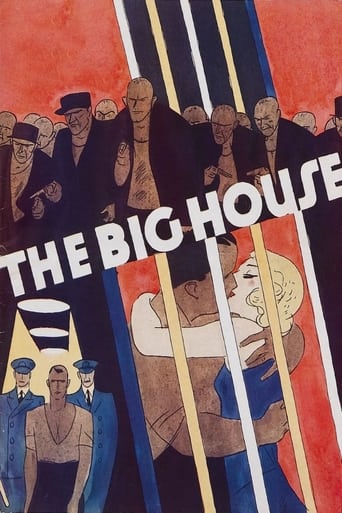
The soundtrack was recorded using the RCA Photophone sound-on-film system. The cast features Lina Basquette, Marie Prevost, Tom Keene, and Noah Beery. When a girl is accidentally killed by a stairway collapse, the Girl and Boy go to reform school where they are treated brutally.
Cast & crew
More films like this
More Drama films
View all →







More from Cecil B. DeMille
View all →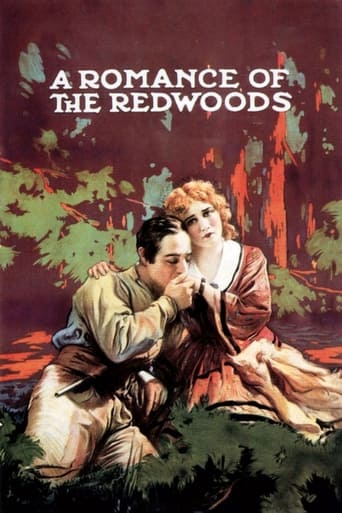
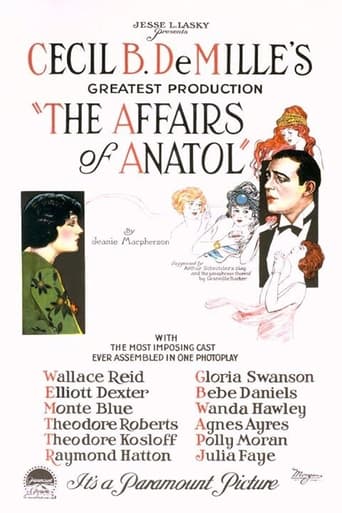


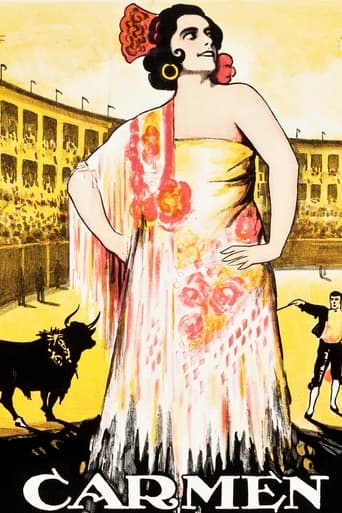
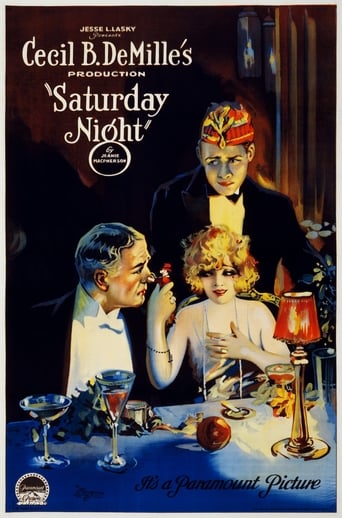
More about this film
About the production
Release dateAugust 10, 1929
Budget$421,000
Box officeThe film was a commercial failure, earning approximately $300,000 domestically
ProductionCecil B. DeMille Productions, Pathé Exchange
Filmed inCecil B. DeMille Studios, Hollywood, California, San Quentin State Prison, California (for reform school scenes)
The Godless Girl was initially conceived as a silent film but was partially reshot with sound sequences after the success of The Jazz Singer. This created production challenges as the film had to be released in both silent and sound versions. The reform school sequences were filmed on location at San Quentin, using actual inmates as extras. The controversial staircase collapse scene was accomplished using a specially constructed set that could be safely collapsed. DeMille faced significant censorship challenges due to the film's religious themes and depiction of institutional brutality.
Themes
Religion vs. AtheismInstitutional BrutalityYouth RebellionRedemption Through LoveSocial Justice
Themes & topics
reform schoolatheismhigh schoolreligious conflicttragic accidentinstitutional abuselove storyredemptionsocial commentaryyouth rebellion
Historical background
By 1929, competing studios crowded weekly bills, and The Godless Girl had to win attention alongside newsreels and shorts.
Why this film matters
Reference works on 1929 cinema cite The Godless Girl when tracing genre habits and studio economics.
Making of
The production of The Godless Girl was marked by significant challenges and innovations. Cecil B. DeMille, known for his meticulous attention to detail, insisted on filming the reform school sequences at the actual San Quentin State Prison to achieve maximum authenticity. This decision required extensive negotiations with prison authorities and created security concerns. The film's transition from silent to sound during production required reshooting several key scenes with dialogue, while maintaining continuity with the already-filmed silent portions. Lina Basquette, the lead actress, was going through a difficult divorce from Sam Warner during filming, which affected her performance. The controversial nature of the subject matter led to numerous battles with censors, particularly over scenes depicting institutional brutality and questioning of religious faith. DeMille fought to keep his vision intact, making minimal cuts to satisfy the Hays Code while preserving the film's powerful message.
What critics said
Press files from 1929 rarely give The Godless Girl extended review space; mentions appear in roundup columns.
Did you know?
- The Godless Girl was Cecil B. DeMille's last silent film and marked his transition to sound cinema
- The film was banned in several countries including Ireland and parts of the United States due to its controversial themes
- Lina Basquette was only 19 years old when she starred in the film and was married to Sam Warner of Warner Bros. at the time
- The film's original running time was 135 minutes, but it was cut to 115 minutes for release
- A portion of the film is considered lost, with only the sound version surviving in complete form
- The reform school scenes were so realistic that some critics believed actual abuse was being filmed
- DeMille used over 3,000 extras for the large crowd scenes depicting the conflict between the two student groups
- The film was inspired by real-life cases of juvenile reform school abuse that were reported in the 1920s
- The Godless Girl was one of the first films to depict atheism as a central theme in American cinema
- Despite its commercial failure, the film was praised by European critics and influenced French poetic realist cinema
Awards & recognition
- None - The film did not receive any major awards
Visual style
The cinematography of The Godless Girl, handled by J. Peverell Marley and Karl Struss, represents some of the finest work in late silent cinema. The film employs dramatic lighting and shadow techniques that enhance its themes of moral conflict and institutional oppression. The reform school sequences feature stark, high-contrast lighting that emphasizes the brutal environment, while the earlier school scenes use softer, more natural lighting to represent the relative freedom of youth. The camera work includes innovative tracking shots during crowd scenes and intimate close-ups during moments of personal revelation. The famous staircase collapse sequence showcases masterful special effects photography, using multiple cameras and carefully timed explosions to create a realistic disaster scene. The visual style bridges the dramatic lighting of German Expressionism with the more naturalistic approach emerging in American cinema, creating a distinctive visual language that serves the film's narrative power.
Innovations
The Godless Girl featured several technical innovations that were significant for its time. The film's dual release in both silent and sound versions required pioneering work in film preservation and version control. The staircase collapse sequence utilized advanced special effects techniques, including miniatures, forced perspective, and carefully timed pyrotechnics to create a realistic disaster scene. The film's use of location shooting at San Quentin State Prison represented an early example of on-location realism in American cinema. The cinematography employed advanced lighting techniques that enhanced the film's dramatic impact. The sound version featured early experiments in using sound for psychological effect rather than mere accompaniment. The film's editing techniques, particularly in the montage sequences showing the passage of time in reform school, were innovative for their rhythmic pacing and emotional impact. These technical achievements demonstrated the sophistication of late silent filmmaking and helped pave the way for future developments in cinema technology.
Music
The Godless Girl was released in both silent and sound versions, reflecting the transitional nature of 1929 cinema. The sound version featured a synchronized musical score composed by Josiah Zuro, along with sound effects and limited dialogue sequences. The musical score incorporated popular songs of the era alongside original compositions that emphasized the film's dramatic moments. The sound version also included a few spoken dialogue scenes, particularly in the reform school sequences, where the harsh sounds of prison life were used to enhance the atmosphere of oppression. The musical themes reflected the characters' emotional journeys, with motifs representing faith, doubt, rebellion, and redemption. The soundtrack was considered innovative for its use of sound to create psychological tension rather than merely accompanying the visuals. Unfortunately, only portions of the original sound version survive, making it difficult to appreciate the full extent of the film's audio innovations.
Famous quotes
I don't believe in God! I believe in myself!
In this place, they don't reform you - they break you.
Maybe there is something greater than ourselves after all.
We came here as enemies, but we'll leave as something more.
Faith isn't about what you can prove - it's about what you hope for.
Memorable scenes
- The dramatic staircase collapse sequence during the confrontation between the atheist and Christian societies, which results in a tragic death and sets the main plot in motion
- The brutal introduction to reform school, where Judith and Bob experience the harsh reality of institutional life for the first time
- The emotional rooftop scene where the two protagonists find solace in each other's company despite their opposing beliefs
- The climactic escape attempt and subsequent confrontation with the corrupt reform school authorities
- The final scene of spiritual awakening and redemption as the characters find both love and faith
What audiences thought
The Godless Girl was not a commercial success upon its release, disappointing audiences who expected the grand spectacles typically associated with Cecil B. DeMille. The film's controversial themes and dark subject matter alienated mainstream moviegoers during a period when audiences were seeking escapist entertainment during the early days of the Great Depression. Many theater owners were reluctant to book the film due to its potentially offensive content. However, the film did find appreciation among more sophisticated urban audiences and intellectual circles who valued its artistic ambitions and social commentary. The film's poor box office performance contributed to DeMille's temporary departure from major studio production before his comeback in the 1930s. Despite its initial failure, the film has gained a cult following among silent film enthusiasts and is now appreciated by modern audiences for its bold themes and powerful storytelling.
Film connections
Influenced by
- The Jazz Singer (1927) - for its pioneering use of sound
- German Expressionist cinema - for dramatic lighting techniques
- Russian montage theory - for editing style
- D.W. Griffith's social problem films - for narrative approach
- Contemporary newspaper reports on reform school abuses
This film influenced
- I Am a Fugitive from a Chain Gang (1932)
- Wild Boys of the Road (1933)
- Les Misérables (1935)
- Rebel Without a Cause (1955)
- Cool Hand Luke (1967)
Film restoration
The Godless Girl exists in an incomplete state. The silent version is partially lost, with only fragments surviving in various archives. The sound version survives more completely but is still missing some footage. The most complete version runs approximately 100 minutes, shorter than the original release. The film has been preserved by the Library of Congress and the UCLA Film and Television Archive. A restored version combining the best available elements from both silent and sound versions was released on home video, but it represents approximately 85-90% of the original film. The missing footage includes some character development scenes and portions of the reform school sequences. Despite these losses, the surviving footage allows for a coherent understanding of the film's narrative and artistic intentions.
Where to watch
- The Criterion Collection (Blu-ray/DVD)
- The Internet Archive (free streaming of public domain version)
- Turner Classic Movies (occasional television broadcasts)
- MUBI (streaming service with curated classic films)
- Film preservation society screenings and special events