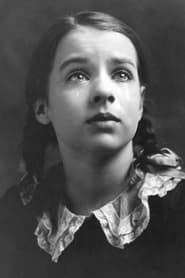
Mary Jane Irving
Actor
Born: December 20, 1905 Died: October 12, 1983 Active: 1928-1933
Films
2 films
About Mary Jane Irving
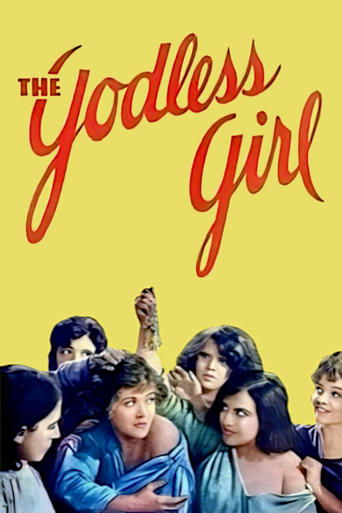
American actress who worked during the transitional period from silent films to talkies in Hollywood. Born in 1905, she began her film career in the late 1920s and appeared in several productions during this pivotal era in cinema history. Her most notable role was in Cecil B. DeMille's controversial 1929 film 'The Godless Girl,' where she was part of the supporting cast alongside stars like Lina Basquette and Marie Prevost. Irving continued to appear in films through the early 1930s, though often in minor or uncredited roles as the film industry underwent massive changes with the advent of sound. Like many actresses of her generation, she struggled to maintain a career during this transition period and eventually left the film industry. After her acting career ended, Irving lived a private life away from Hollywood, passing away in 1983 at the age of 77.
The Craft
Milestones
- Appeared in Cecil B. DeMille's 'The Godless Girl' (1929)
- Worked during Hollywood's transition from silent to sound films
Best Known For
Iconic Roles
Must-See Films
Working Relationships
Worked Often With
Why They Matter
Impact on Culture
As a supporting actress during Hollywood's transition from silent to sound films, Mary Jane Irving represents the many performers who worked during this turbulent but transformative period in cinema history. Her appearance in 'The Godless Girl' connects her to one of Cecil B. DeMille's more ambitious late silent productions, a film that was notable for its controversial themes about atheism and religion. While she never achieved star status, Irving was part of the fabric of Hollywood during a time when the industry was completely reinventing itself with the advent of sound technology.
Lasting Legacy
Mary Jane Irving's legacy is that of a typical working actress of the late silent and early sound era - a performer who contributed to numerous films but never achieved lasting fame. She represents the vast majority of actors who populated Hollywood films during this period but whose names have faded from popular memory. Her career trajectory - beginning in silents, struggling through the transition to sound, and eventually leaving the industry - was common for many actors of her generation. Today, she is primarily remembered by film historians and classic cinema enthusiasts who study the complete casts of films from this era.
Who They Inspired
Given her status as a minor actress with a brief career, Mary Jane Irving had no documented influence on other actors or filmmakers. She represents rather than influenced the typical journey of many supporting performers during early Hollywood's transition period.
Off Screen
Mary Jane Irving lived a relatively private life outside of her brief film career. After leaving the entertainment industry in the early 1930s, she stepped away from the public eye. Details about her personal life, including any marriages or children, are not well-documented in public records, which was not uncommon for minor actresses of her era who returned to private life after their Hollywood careers ended.
Did You Know?
- Born in 1905 and died in 1983, living through most of the 20th century
- Appeared in one of Cecil B. DeMille's final silent films
- Her active years covered the critical transition period from silent to sound films
- Like many actresses of her era, she often appeared in uncredited or minor roles
- The Godless Girl was considered controversial for its time due to its themes of atheism vs. Christianity
- After leaving films, she lived a private life away from Hollywood for over 50 years
- Her career lasted only about 5 years, from 1928 to approximately 1933
Frequently Asked Questions
Who was Mary Jane Irving?
American actress who worked in films during the late 1920s and early 1930s, primarily during Hollywood's transition from silent films to talkies. She is best known for her appearance in Cecil B. DeMille's 1929 film 'The Godless Girl,' though she appeared in several other productions in minor roles during her brief career.
What films is Mary Jane Irving best known for?
Titles linked here include The Godless Girl (1929).
When was Mary Jane Irving born and when did she die?
Born December 20, 1905; died October 12, 1983.
What awards did Mary Jane Irving win?
Mary Jane Irving did not receive any major awards or nominations during her brief film career. As a supporting actress who worked primarily in minor roles during the early sound era, she would not have been considered for the major industry recognitions that were just becoming established during her time in Hollywood.
What was Mary Jane Irving's acting style?
Little specific documentation exists about Mary Jane Irving's particular acting style or techniques. As an actress who worked during the transition from silent to sound films, she would have needed to adapt her performance methods to suit both mediums. Her roles were typically minor, so opportunities to showcase a distinctive acting style were limited.