
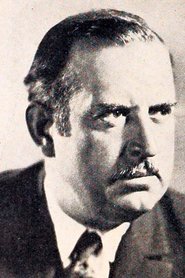
Clarence Burton
Actor
Born: May 10, 1884 in Indianapolis, Indiana, USA Died: August 1, 1929 Active: 1921-1929
Films
12 films

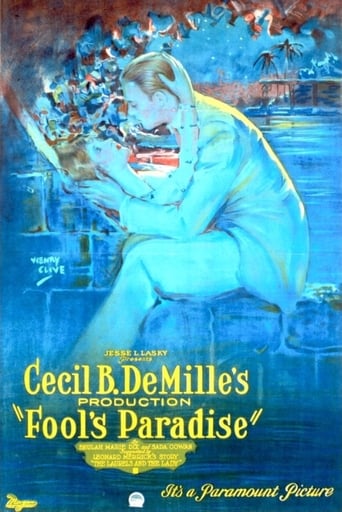


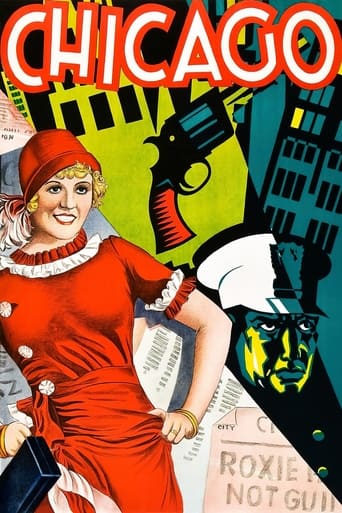
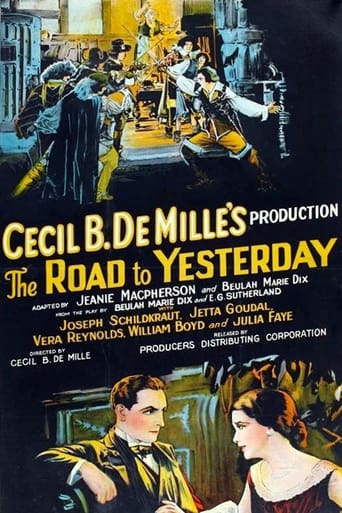

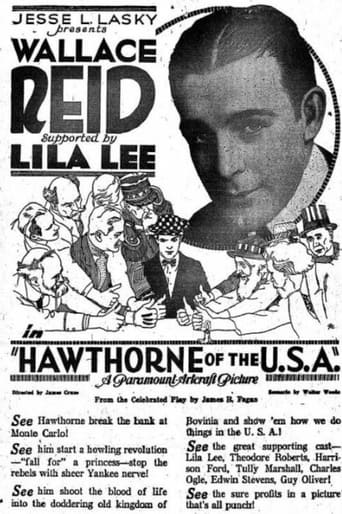
About Clarence Burton
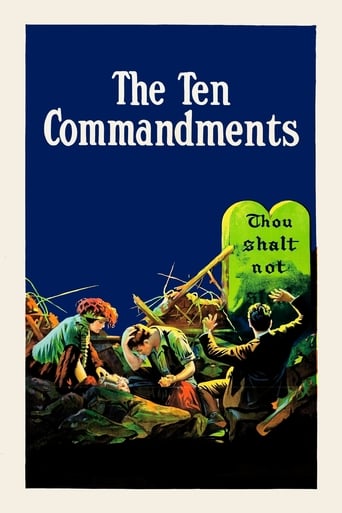
Prolific character actor of the silent film era who specialized in playing villains, authority figures, and stern characters throughout his eight-year career. Clarence appears in over 70 films between 1921 and 1929, often typecast as the antagonist or imposing figure due to his tall stature and severe facial features. Burton worked with many of the era's most famous directors, including Cecil B. DeMille and Buster Keaton, becoming a reliable presence in numerous Hollywood productions. His most memorable performances include roles in 'The Ten Commandments' as an Egyptian overseer and in 'The Navigator' as one of the spies pursuing Buster Keaton. Burton successfully transitioned into early talkies, appearing in several sound films before his untimely death in 1929. Though never achieving leading man status, his consistent work and distinctive appearance made him a recognizable face to silent film audiences. His career was cut short when he died unexpectedly at age 45, just as the sound revolution was transforming Hollywood.
The Craft
On Screen
Burton was known for his imposing screen presence and ability to convey menace through subtle facial expressions and body language. As a silent film actor, he mastered the art of pantomime and could effectively communicate villainy or authority through his stern gaze and rigid posture. His tall stature and severe features made him a natural choice for antagonistic roles, and he often played police chiefs, prison wardens, or other figures of authority. Burton's style was understated yet powerful, relying on the intensity of his performance rather than exaggerated gestures common in the era.
Milestones
- Memorable role in Cecil B. DeMille's 'The Ten Commandments' (1923)
- Appearance in Buster Keaton's classic comedy 'The Navigator' (1924)
- Supporting role in 'Miss Lulu Bett' (1921)
- Regular work throughout the silent era as a character actor
- Successful transition into early sound films before his death
Best Known For
Iconic Roles
Must-See Films
Working Relationships
Worked Often With
Studios
Why They Matter
Impact on Culture
As a character actor during the golden age of silent cinema, Clarence Burton contributed to the visual language of film villainy and helped establish archetypes that would influence subsequent generations of character actors. His performances in major productions like 'The Ten Commandments' and 'The Navigator' became part of the foundation of American cinema's visual storytelling. While not a star, his consistent presence in numerous productions made him a familiar face to moviegoers of the era, and his work exemplified the importance of supporting actors in creating memorable films.
Lasting Legacy
Clarence Burton represents the countless character actors who formed the backbone of silent cinema, working tirelessly to bring depth and dimension to supporting roles. Though not remembered by name by most modern viewers, his performances in classic films have been preserved as part of cinema history. His career exemplifies the journey of a working actor during Hollywood's formative years, demonstrating how actors could build successful careers through reliability and versatility rather than stardom.
Who They Inspired
While not a major influence on other actors in terms of technique or style, Burton's career demonstrates the importance of character actors in creating memorable films. His ability to effectively play villains and authority figures contributed to the success of many productions and helped establish cinematic tropes that persist to this day. His work with directors like DeMille and Keaton showed how character actors could enhance the vision of visionary filmmakers.
Off Screen
Limited information is available about Clarence Burton's personal life, as was common for character actors of the silent era who rarely received media attention. Historical records indicate he was married, but details about his family life remain scarce. His focus appeared to be primarily on his acting career, which was remarkably productive during his eight years in Hollywood.
Education
Not documented in available sources
Family
- Not widely documented in available sources
Did You Know?
- Appeared in over 70 films during his brief 8-year career
- Was often typecast as the villain due to his imposing physical presence
- Worked with both Cecil B. DeMille and Buster Keaton, two of the era's most distinctive directors
- His career coincided with the transition from silent films to talkies
- Died at the relatively young age of 45, cutting short a promising career
- Despite never being a leading man, he was consistently employed throughout the 1920s
- His stern features made him a popular choice for playing authority figures
- Was part of the ensemble cast of 'The Ten Commandments,'
- Appeared in 'The Navigator,' considered one of Buster Keaton's masterpieces
- His final film appearances were in early sound productions
In Their Own Words
No famous quotes are documented from Clarence Burton, as was common for character actors of the silent era who rarely gave interviews
Frequently Asked Questions
Who was Clarence Burton?
Prolific character with credits in this catalog. He worked with prominent directors like Cecil B. DeMille and Buster Keaton, appearing in classics such as 'The Ten Commandments' and 'The Navigator'.
What films is Clarence Burton best known for?
Titles linked here include The Ten Commandments (1923), The Navigator (1924).
When was Clarence Burton born and when did he die?
Born May 10, 1884; died August 1, 1929.
What awards did Clarence Burton win?
There are no recorded awards or nominations for Clarence Burton, which was typical for character actors of the silent era who rarely received formal recognition despite their significant contributions to films.
What was Clarence Burton's acting style?
Burton specialized in playing villains and authority figures using an understated yet powerful style. He relied on his imposing physical presence, stern facial expressions, and intense gaze to convey menace and authority, mastering the art of pantomime essential for silent film performance.
How many films did Clarence Burton appear in?
Clarence Burton appeared in over 70 films during his eight-year career from 1921 to 1929, making him one of the more prolific character actors of the silent era despite his relatively short time in the industry.
Did Clarence Burton transition to sound films?
Yes, Burton successfully transitioned into early sound films, appearing in several talkies before his death in 1929. This demonstrated his versatility as an actor during the challenging transition period when many silent film stars struggled to adapt.
What type of roles did Clarence Burton typically play?
Burton was typically cast as villains, authority figures, and stern characters due to his tall stature and severe facial features. He frequently played police chiefs, prison wardens, Egyptian overseers, and other imposing roles that required a commanding screen presence.