
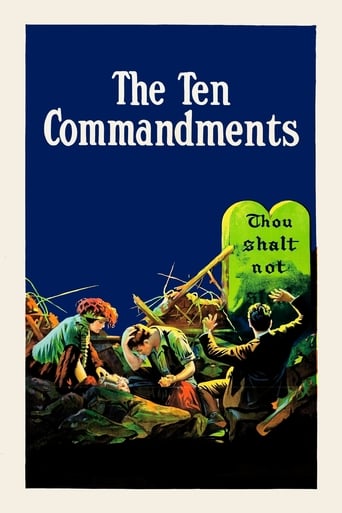
The Road to Yesterday
"Train wreck, memory reborn"
Keys: Space play/pause · ←/→ 10s · F fullscreen · M mute · </> speed
About this film
Malena's apparent frigidity toward her husband Kenneth is a result of injustice done in an earlier incarnation when he was a knight and she was a gypsy headed for burning at the stake. This becomes evident when their unconscious minds travel back from a train wreck in the America.
Cast & crew
More films like this
More Fantasy films
View all →

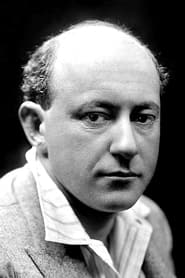
More from Cecil B. DeMille
View all →
More about this film
About the production
Release dateNovember 23, 1925
Box officeModerately successful, though not among DeMille's biggest hits of the period
ProductionCecil B. DeMille Productions, Producers Distributing Corporation (PDC)
Filmed inCecil B. DeMille's studio in Hollywood, California locations for American plains scenes
The film featured elaborate costumes and sets for the Elizabethan sequences, typical of DeMille's lavish productions. The train wreck scene was particularly ambitious for its time, requiring detailed miniatures and careful choreography. The reincarnation theme was quite unusual for mainstream cinema of 1925, making this one of DeMille's more experimental narrative ventures.
Themes
ReincarnationKarma and destinyLove transcending timePast life traumaSpiritual connection
Themes & topics
reincarnationpast livestrain wreckElizabethan Englandgypsyknightmarital problemssupernaturalromancedestiny
Historical background
The Road to Yesterday reached screens around 1925, produced in its country of origin. Silent-era houses paired such titles with live music and newsreel bills. Wartime or military themes reflected anxieties visible in contemporary programming.
Why this film matters
Researchers cite The Road to Yesterday when tracing screen culture of its decade.
Making of
Cecil B. DeMille was known for his meticulous attention to detail and hands-on approach to filmmaking. For 'The Road to Yesterday,' he worked closely with cinematographer Bert Glennon to create distinct visual styles for the modern and Elizabethan sequences. The reincarnation concept was considered risky for mainstream audiences, but DeMille was fascinated by spiritual and metaphysical themes. The production faced challenges in creating convincing transitions between time periods without the benefit of modern special effects. The train wreck sequence required weeks of preparation and was filmed using a combination of full-scale sets and carefully crafted miniatures. DeMille insisted on authentic period details for the Elizabethan scenes, consulting historical experts to ensure accuracy in costumes and settings.
What critics said
Reviewers in 1925 weighed The Road to Yesterday on clarity, pacing, and audience response rather than prestige status. No single canonical review dominates later reference works for the title.
Did you know?
- This was one of the first mainstream American films to seriously explore the concept of reincarnation
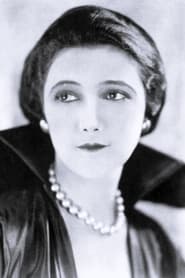
- Jetta Goudal was one of Cecil B. DeMille's favorite actresses, starring in multiple films for him
- The film's title was inspired by a popular poem of the era about nostalgia and memory
- The train wreck sequence used both full-scale props and miniature models to create the effect
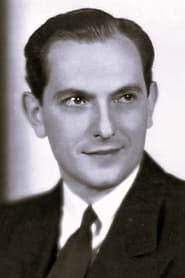
- Joseph Schildkraut was an Austrian actor who had recently immigrated to America and was building his Hollywood career
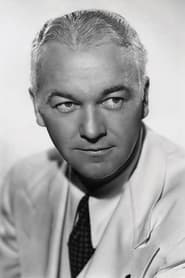
- William Boyd, who later became famous as Hopalong Cassidy, played a supporting role before achieving stardom
- The film's intertitles were written by C. Gardner Sullivan, among the leading respected screenwriters of the silent era
- DeMille considered this film one of his more personal projects due to its spiritual themes
- The Elizabethan costumes were designed by Mitchell Leisen, who later became a prominent director
- The film's original running time was slightly longer, but several minutes were cut after preview screenings
Awards & recognition
- No major awards were given to this film, as it was not among DeMille's most critically acclaimed works
Visual style
Bert Glennon's cinematography created distinct visual worlds for the film's different time periods. The modern sequences were shot with relatively straightforward techniques, while the Elizabethan scenes featured more dramatic lighting and elaborate compositions. The train wreck sequence was particularly notable for its dynamic camera work and use of multiple angles to create tension. Glennon employed soft focus techniques for the dreamlike transitions between time periods, helping to signal the supernatural elements of the story. The film's visual style was characteristic of DeMille's productions - lavish, detailed, and carefully composed.
Innovations
The film's most notable technical achievement was its handling of the time transition sequences. Without modern special effects, the filmmakers relied on creative editing, superimposition, and lighting changes to suggest the movement between past and present. The train wreck sequence was also technically ambitious for its time, requiring careful coordination of multiple camera setups and effects. The production design for the Elizabethan scenes demonstrated the high level of craftsmanship that characterized DeMille's productions, with detailed sets and costumes that helped create convincing historical atmosphere.
Music
As a silent film, 'The Road to Yesterday' would have been accompanied by live musical performances during its original theatrical run. Theaters typically used compiled scores featuring popular classical pieces or specially composed cue sheets. The film's dramatic and romantic elements would have required music that could convey both the emotional intensity of the couple's relationship and the supernatural quality of the reincarnation sequences. No original composed score for the film survives, though modern screenings have used contemporary silent film accompaniment or newly composed scores.
Famous quotes
The road to yesterday is paved with the stones of destiny
In every life, we meet the same souls in different forms
Love that was meant to be cannot be destroyed by time or death
The sins of yesterday haunt the loves of today
Memorable scenes
- The dramatic train wreck sequence that triggers the time transition
- The revelation of the past life connection in Elizabethan England
- The emotional confrontation between the knight and the gypsy woman
- The final reconciliation scene bringing together past and present
What audiences thought
Audiences in 1925 were generally receptive to the film, though it didn't achieve the blockbuster status of some of DeMille's other productions. The unusual theme of reincarnation may have been challenging for some viewers, but the romantic elements and dramatic visuals helped make it accessible. The film performed adequately at the box office, particularly in urban areas where audiences were more open to experimental narratives. Modern audiences who have seen the film through revival screenings or archives often comment on its surprisingly sophisticated treatment of metaphysical themes.
Film connections
Influenced by
- The growing interest in spiritualism and Eastern philosophy in 1920s America
- Earlier silent films that explored supernatural themes
- Literary works on reincarnation that were popular in the early 20th century
This film influenced
- Later Hollywood films dealing with reincarnation themes
- Supernatural romance films of subsequent decades
- Films that explore parallel time periods
Film restoration
The film is considered to be partially lost. Some sequences survive, but it is not known to exist in complete form. Fragments and still photographs from the production are held in various film archives, including the Library of Congress and the Academy Film Archive. The surviving elements suggest that significant portions of the film may be missing, making it one of the many silent films that have not survived in their entirety.
Where to watch
- Due to its partially lost status, the film is not widely available for viewing
- Film archives occasionally screen surviving fragments
- Some clips may be available through special collections or academic institutions
- The film is not currently available on commercial streaming platforms or home video