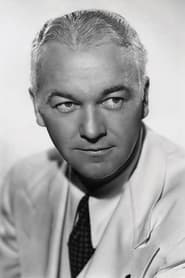
William Boyd
Actor
Born: January 15, 1888 in Hendon, Middlesex, England Died: March 13, 1952 Active: 1921-1925
Films
4 films
About William Boyd
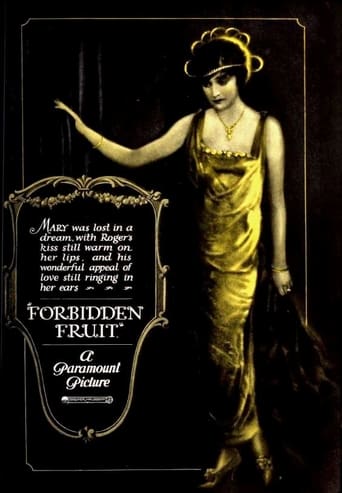
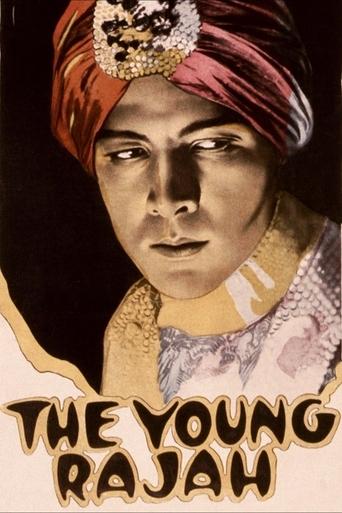
British-born actor who worked in Hollywood during the silent film era, making his mark in the early 1920s with appearances in several notable productions. He began his film career at a crucial time when Hollywood was establishing itself as the global center of cinema, appearing in films like 'Forbidden Fruit' (1921) directed by Cecil B. DeMille. Boyd worked alongside some of the biggest stars of the era, including Rudolph Valentino in 'The Young Rajah' (1922), which demonstrated his ability to secure roles in high-profile productions despite not being a leading man himself. His career, while relatively brief, spanned the formative years of Hollywood's Golden Age, contributing to the development of early cinematic storytelling through his supporting roles. Boyd's filmography shows his versatility across different genres, from romantic dramas to adventure films, working with major studios of the period. Though he did not achieve lasting fame like some of his contemporaries, his career represents the typical journey of many capable actors who helped build the foundation of American cinema during its silent era peak.
The Craft
On Screen
Typical of the silent era, Boyd employed exaggerated gestures and facial expressions to convey emotion, utilizing the dramatic physicality required for non-verbal storytelling. His performances emphasized clear, visible emotional cues that could be understood by audiences without dialogue, following the conventions of early 1920s cinema.
Milestones
- Appeared in Cecil B. DeMille's 'Forbidden Fruit' (1921)
- Worked with Rudolph Valentino in 'The Young Rajah' (1922)
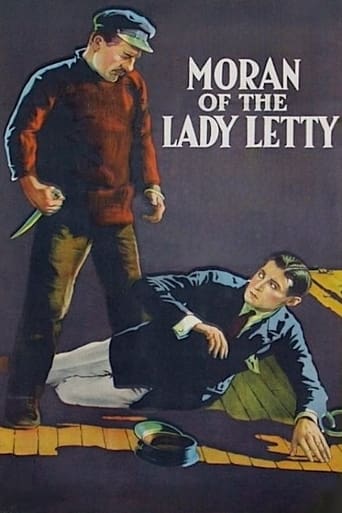
- Starred in 'Moran of the Lady Letty' (1922)
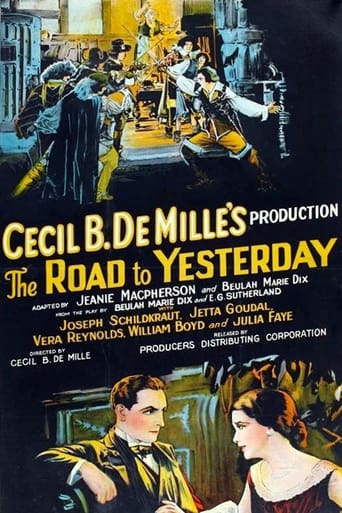
- Appeared in 'The Road to Yesterday' (1925)
- Contributed to early Hollywood silent cinema
Best Known For
Iconic Roles
Must-See Films
Working Relationships
Worked Often With
Studios
Why They Matter
Impact on Culture
William Boyd's contribution to cinema, while not widely documented, represents the important role that supporting actors played in establishing Hollywood's dominance in the 1920s. His appearances in films directed by filmmakers like Cecil B. DeMille placed him at the forefront of cinematic innovation during the silent era. Boyd worked during a crucial transitional period when Hollywood was developing its star system and establishing narrative conventions that would influence cinema for decades. His participation in films with major stars like Rudolph Valentino helped create the collaborative environment necessary for the production of early Hollywood blockbusters.
Lasting Legacy
William Boyd's legacy is that of a representative figure from the silent era - a capable actor who contributed to the foundation of American cinema without achieving lasting individual fame. His career exemplifies the journey of many actors who were essential to the production of early films but whose names have faded from popular memory. The films he appeared in, particularly those directed by Cecil B. DeMille, remain important artifacts of silent cinema history, ensuring that Boyd's work, though not celebrated individually, is preserved as part of the broader tapestry of early Hollywood.
Who They Inspired
As a supporting actor during the silent era, Boyd's direct influence on subsequent generations of performers is difficult to trace, but his work contributed to the development of ensemble acting techniques that would become standard in Hollywood cinema. His participation in early productions helped establish the collaborative nature of filmmaking that would influence industry practices for decades.
Off Screen
William Boyd was born in England and emigrated to the United States to pursue a career in the burgeoning film industry. Like many actors of his era, he navigated the challenges of the highly competitive Hollywood system during its formative years. His career was relatively brief, spanning only about five years in the early 1920s, after which he seemingly left the film industry. Details about his personal life, family, and reasons for leaving acting remain largely undocumented, which was common for supporting actors of the silent era who did not achieve major stardom.
Did You Know?
- Born in England but built his career in Hollywood
- Appeared in films with Rudolph Valentino during Valentino's rise to stardom
- Worked with director Cecil B. DeMille
- His active years covered only five years during the peak of the silent era
- Appeared in 'The Young Rajah' (1922), one of Valentino's less successful but historically significant films
- Part of the wave of British actors who found work in early Hollywood
- His filmography includes works from major studios of the era
- Worked during the transition period when Hollywood was establishing its global dominance
Frequently Asked Questions
Who was William Boyd?
British-born with credits in this catalog. DeMille and alongside stars like Rudolph Valentino.
What films is William Boyd best known for?
Titles linked here include Forbidden Fruit (1921), Moran of the Lady Letty (1922).
When was William Boyd born and when did he die?
Born January 15, 1888; died March 13, 1952.
What awards did William Boyd win?
There are no documented awards or nominations for William Boyd, which was common for supporting actors during the silent era before major award systems were established.
What was William Boyd's acting style?
Boyd's acting style was typical of the silent era, emphasizing dramatic physicality and expressive facial gestures to convey emotion without dialogue, following the conventions of early 1920s Hollywood cinema.