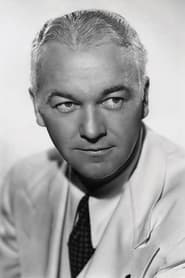

Moran of the Lady Letty
"Moran Ramon little each."
Keys: Space play/pause · ←/→ 10s · F fullscreen · M mute · </> speed
About this film
When the ship encounters the foundering "Lady Letty," some of the Letty's crew is brought aboard, including Letty 'Moran' Sternerson, feisty daughter of the Letty's captain. The film is based on the novel of the same name by Frank Norris and was adapted for the screen by Monte Katterjohn. Moran and Ramon have little use for each other, but when trouble erupts and the smuggler Captain Kitchell turns his evil eye on Moran, it is Ramon who comes to her rescue.
Cast & crew
More films like this
More Adventure films
View all →
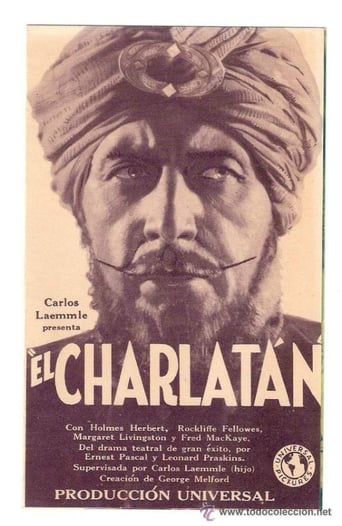
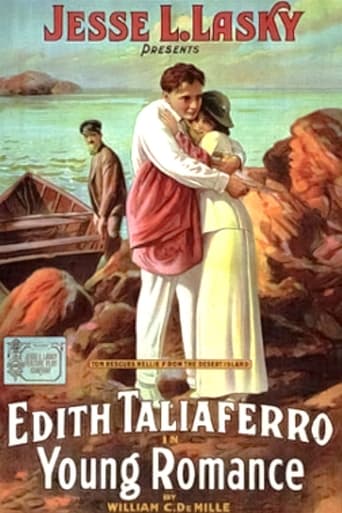
More from George Melford
View all →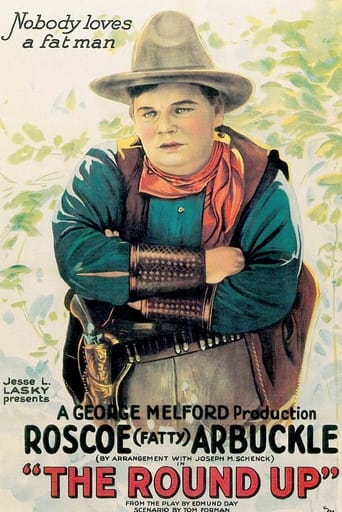
More about this film
About the production
Release dateJanuary 22, 1922
Box officeThe film was commercially successful, capitalizing on Valentino's growing popularity following 'The Sheik' (1921)
ProductionFamous Players-Lasky Corporation, Paramount Pictures
Filmed inCalifornia coast, Paramount Studios, Hollywood, San Francisco Bay area
The film was shot on location along the California coastline to capture authentic maritime atmosphere. Several scenes were filmed aboard actual sailing vessels to enhance realism. The production faced challenges with weather conditions during outdoor filming, requiring multiple takes for key sequences. Dorothy Dalton performed many of her own stunts, including scenes on the ship's rigging, which was unusual for leading actresses of the era.
Themes
Transformation and redemptionClass differences and social mobilityGender roles in the 1920sThe sea as a metaphor for life's challengesHonor and moral courage
Themes & topics
Historical background
Production circa 1922 placed Moran of the Lady Letty within the technical habits of its era—intertitles, studio sets, and regional distribution networks.
Why this film matters
Festival and repertory screenings keep Moran of the Lady Letty in circulation among silent- and classic-film communities.
Making of
The production of 'Moran of the Lady Letty' was marked by the intense pressure to follow up Valentino's breakthrough success in 'The Sheik'. Director George Melford, who had worked with Valentino before, pushed for a more naturalistic performance style than the melodramatic acting common in the era. The maritime setting presented unique challenges, with the cast and crew having to work on actual ships in sometimes treacherous conditions. Dorothy Dalton, an experienced actress, reportedly helped coach Valentino in scenes requiring more subtle emotional expression. The film's romantic development between the leads was carefully choreographed to build chemistry gradually, a technique that proved effective with audiences. The production also employed innovative camera techniques for the time, including shots from the ship's rigging to create dramatic perspectives.
What critics said
Trade papers near 1922 listed Moran of the Lady Letty among weekly program offerings rather than as a headline critical event.
Did you know?
- This was Rudolph Valentino's first film after the massive success of 'The Sheik', and Paramount rushed it into production to capitalize on his newfound stardom
- The film was based on a novel by Frank Norris titled 'Moran of the Lady Letty' (1898), though the screenplay took significant liberties with the source material
- Dorothy Dalton was actually paid more than Valentino for this film, as she was an established star while Valentino was still relatively new to major stardom
- The ship used for filming was an actual schooner named 'The Lurline' that had seen service in the Pacific
- Charles Brinley, who played Captain Kitchell, was a veteran character actor who specialized in villainous roles in silent films
- The film's success helped establish Valentino's versatility beyond his 'Latin lover' typecasting
- Original release prints were tinted in various colors to enhance mood - blue for night scenes, amber for daylight, and red for dramatic sequences
- A young Mary Philbin, who would later star in 'The Phantom of the Opera' (1925), had a small uncredited role as one of the rescued sailors
- The film featured an early use of miniatures for the sinking ship sequence, considered innovative for 1922
- Paramount promoted the film with the tagline 'Valentino as you've never seen him before!' to emphasize his different character type
Awards & recognition
- No major awards were given for this film in 1922, as the first Academy Awards would not be presented until 1929
Visual style
The cinematography by William Marshall was notable for its use of actual maritime locations and innovative camera angles. The film employed extensive location shooting along the California coast, providing authentic seascapes that studio sets could not replicate. Marshall used camera movement techniques that were advanced for the time, including tracking shots along the ship's deck and dynamic angles from the rigging to create a sense of scale and movement. The sinking of the Lady Letty was filmed using a combination of full-scale sequences and carefully crafted miniature work, seamlessly integrated through clever editing. The film also made effective use of natural lighting for exterior scenes, creating a more realistic visual style than the artificial lighting common in studio productions of the era.
Innovations
The film featured several technical innovations for its time, particularly in its maritime sequences. The production team developed specialized camera mounts to film safely aboard moving vessels, allowing for more dynamic shots than typical studio-bound films. The sinking ship sequence combined practical effects with early miniature work, creating a convincing illusion of disaster at sea. The film also made effective use of tinting techniques, with different colors applied to the film stock to enhance mood and time of day - blue for night scenes, amber for daylight, and red-orange for dramatic moments. The underwater sequences, though brief, employed innovative photography techniques for capturing underwater action. The film's editing, particularly in the action sequences, was more rapid and dynamic than many contemporary films, helping to create tension and excitement.
Music
As a silent film, 'Moran of the Lady Letty' was originally accompanied by live musical performances in theaters. The typical score would have included popular songs of the period, classical pieces, and specially composed mood music. For dramatic scenes, theater organists or small orchestras would play romantic themes, while action sequences featured more dynamic, percussive music. The maritime setting likely inspired the use of sea shanties and nautical-themed musical pieces. Some theaters may have used compiled cue sheets from music publishers like Sam Fox Publishing, which provided synchronized musical suggestions for silent films. The emotional climax would have been underscored with swelling romantic themes to enhance the dramatic impact.
Famous quotes
A man's not born a gentleman - he becomes one
The sea makes its own laws, and breaks its own men
You may have been born with a silver spoon, but you're learning to use a knife now
A ship is like a woman - she demands respect but gives no quarter
In the storm, we learn who we truly are
Memorable scenes
- The dramatic shipwreck sequence where the Lady Letty sinks in a storm, featuring innovative miniature effects and thrilling action photography
- The confrontation scene where Ramon defends Moran from Captain Kitchell's advances, marking his transformation from pampered youth to heroic protector
- The romantic sunset scene on deck where Ramon and Moran finally acknowledge their feelings for each other, beautifully tinted in amber and gold
- The climactic fight aboard the ship during a storm, combining action, romance, and moral redemption in a single sequence
What audiences thought
The film was well-received by audiences and performed strongly at the box office, particularly in urban areas where Valentino's popularity was highest. Moviegoers enjoyed seeing Valentino in a different type of role, and the maritime adventure elements appealed to both male and female viewers. The romance between Valentino and Dalton resonated with audiences, helping cement both stars' popularity. The film's success led to increased demand for adventure romances featuring major stars of the period. Audience feedback letters published in trade papers of the time particularly praised the ship sequences and the dramatic climax. The film continued to draw audiences in re-releases throughout the 1920s, demonstrating its lasting appeal.
Film connections
Influenced by
- The sea adventure novels of Herman Melville
- Jack London's maritime stories
- Contemporary adventure films of Douglas Fairbanks
- The romantic melodramas of the silent era
- Frank Norris's original novel
This film influenced
- Subsequent Valentino vehicles that tried to vary his typecasting
- Maritime adventure films of the 1920s
- Romantic adventure films featuring character transformation
- Later films about class differences and romance
Film restoration
The film is preserved in the archives of major institutions including the Library of Congress and the UCLA Film & Television Archive. While not considered a lost film, some sequences may be incomplete in existing prints. The film has undergone restoration efforts, with some versions featuring reconstructed tints based on original release specifications. Several versions exist in different archives, varying in completeness and quality. The film is occasionally screened at silent film festivals and special presentations, often with live musical accompaniment.
Where to watch
- The film is available on DVD from various classic film distributors
- Can be streamed through specialized silent film platforms and archives
- Occasionally airs on Turner Classic Movies and other classic film channels
- Available through some university film archives and library collections
- May be found in public domain collections, though quality varies significantly