Films
1 film
About George Kuwa
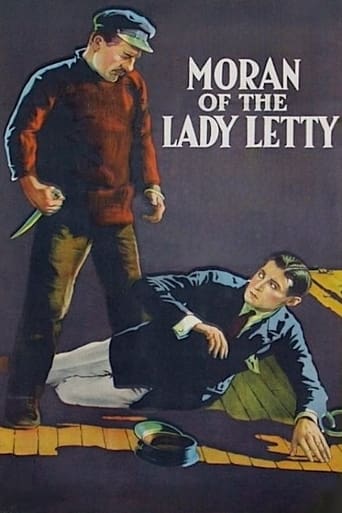
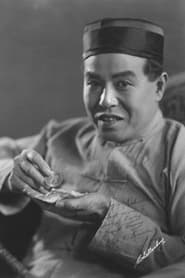
Japanese-American actor who worked briefly in Hollywood during the silent film era, appearing primarily in 1922. He was part of the small but significant group of Asian performers who managed to find work in American cinema during a period when representation was extremely limited and often stereotypical. His most notable appearance was in the Rudolph Valentino film 'Moran of the Lady Letty' (1922), where he played a supporting role alongside the silent star. Like many Asian actors of his generation, Kuwa faced significant challenges in an industry that rarely offered authentic or substantial roles to performers of Asian descent. His career appears to have been extremely brief, with documented film work confined to a single year. Despite his limited filmography, Kuwa represents an important part of early Asian-American cinema history, belonging to the generation that paved the way for future generations. His story reflects the broader struggles and contributions of minority performers in early Hollywood.
The Craft
Milestones
- Appeared in 'Moran of the Lady Letty' (1922) starring Rudolph Valentino
- One of the early Japanese-American actors in Hollywood silent cinema
Best Known For
Iconic Roles
Must-See Films
Working Relationships
Worked Often With
Why They Matter
Impact on Culture
George Kuwa's significance lies primarily in his representation as one of the early Japanese-American actors in Hollywood during the silent era. At a time when Asian performers were virtually nonexistent in American cinema, actors like Kuwa helped establish a foothold for future generations. His appearance in a major Valentino production, however brief, demonstrated that Asian actors could participate in mainstream Hollywood productions, even if often relegated to stereotypical or minor roles. Kuwa represents the broader struggle and contribution of Asian-American performers who worked against significant barriers of representation and typecasting in early Hollywood.
Lasting Legacy
George Kuwa's legacy is that of a pioneer who, despite limited opportunities and a brief career, contributed to the early presence of Asian actors in American cinema. While his filmography may be minimal, his work alongside major stars like Rudolph Valentino helped establish the precedent for Asian participation in Hollywood films. He stands as an important figure in the history of Asian-American cinema, representing the first generation of performers who opened doors for future Asian actors in the industry.
Who They Inspired
Due to his extremely brief career and limited filmography, George Kuwa's direct influence on other performers is difficult to trace. However, as part of the foundational generation of Asian-American actors in Hollywood, he contributed to the gradual acceptance and visibility of Asian performers in American cinema, indirectly influencing subsequent generations of Asian actors who would follow in his footsteps.
Off Screen
Very little documented information exists about George Kuwa's personal life, which was common for minor character actors of the silent era, particularly those from minority backgrounds. Like many Asian performers of his time, detailed biographical information was not preserved in mainstream film archives.
Did You Know?
- Appeared in only one known film during his career
- Worked during the peak of Rudolph Valentino's stardom
- Part of the very small community of Japanese actors in Hollywood during the 1920s
- His career coincided with the height of the silent era
- Like many Asian actors of his era, he was likely typecast in stereotypical roles
- His film work was confined to a single year (1922)
- Represented an early example of Asian-American representation in mainstream Hollywood cinema
Frequently Asked Questions
Who was George Kuwa?
Japanese-American with credits in this catalog.
What films is George Kuwa best known for?
Titles linked here include Moran of the Lady Letty (1922).
When was George Kuwa born and when did he die?
Specific birth and death dates for George Kuwa are not documented in available historical records, which was common for minor character actors of the silent era.
What awards did George Kuwa win?
There are no documented awards or nominations for George Kuwa, which was typical for supporting actors of his era, particularly those from minority backgrounds.
What was George Kuwa's acting style?
Due to the limited documentation of his work and the fact that only one of his films survives, detailed information about George Kuwa's specific acting style is not available in historical records.