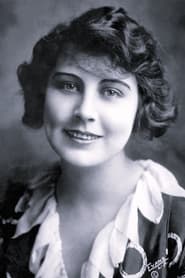
Dorothy Dalton
Actor
Born: September 22, 1893 in Chicago, Illinois, USA Died: April 13, 1972 Active: 1914-1924
Films
5 films

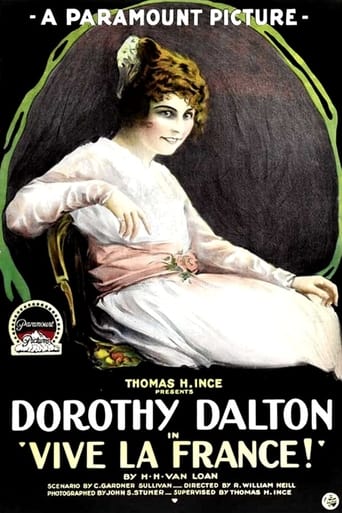
About Dorothy Dalton
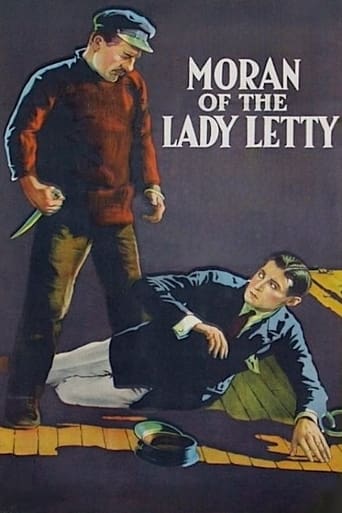
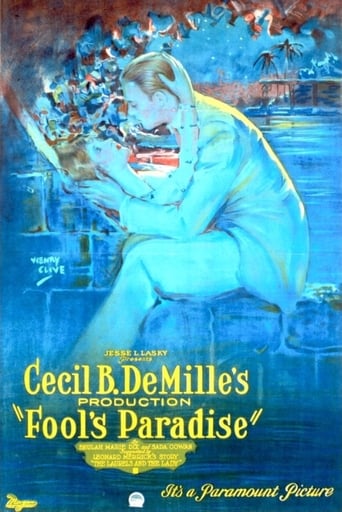
prominent American silent film actress who rose to stardom during the 1910s and early 1920s — known for her striking beauty and compelling screen presence. Born in 1893, she began her career after being discovered by film pioneer Thomas H. Ince, who recognized her potential and cast her in early westerns and dramas. Dalton quickly became popular actresses of her era, working with major studios like Paramount Pictures and Famous Players-Lasky Corporation. She specialized in playing strong, independent women and was particularly effective in melodramas and adventure films, often starring opposite leading men like Rudolph Valentino and Wallace Reid. Her career peaked in the early 1920s with films like 'Moran of the Lady Letty' (1922) and 'Fool's Paradise' (1921), where she showcased her range as both a dramatic actress and romantic lead. Dalton successfully transitioned from the early 1910s westerns to more sophisticated roles in the 1920s, demonstrating remarkable adaptability as the film industry evolved. She retired from acting in the mid-1920s at the height of her popularity, choosing to focus on her personal life rather than attempting the difficult transition to sound films.
The Craft
On Screen
Dorothy Dalton was known for her naturalistic acting style that evolved with the medium of cinema. She began her career in the exaggerated style typical of early silent films but gradually developed a more subtle, nuanced approach that resonated with audiences as cinema matured. Dalton possessed a remarkable ability to convey complex emotions through facial expressions and body language, making her particularly effective in dramatic roles. Her screen presence was characterized by a combination of strength and vulnerability, allowing her to play both assertive, independent women and romantic heroines with equal conviction. Unlike many silent stars who relied on theatrical gestures, Dalton's performances were notably restrained and realistic, anticipating the more naturalistic style that would become standard in sound cinema.
Milestones
- Discovered by Thomas H. Ince and signed to contract in 1914
- Starred in over 50 silent films during her decade-long career
- Became one of Paramount Pictures' leading actresses in the early 1920s
- Successfully transitioned from westerns to sophisticated dramatic roles
- Retired at the height of her popularity in 1924
Best Known For
Iconic Roles
Must-See Films
Accolades
Special Recognition
- Star on the Hollywood Walk of Fame (located at 6600 Hollywood Blvd)
Working Relationships
Worked Often With
Studios
Why They Matter
Impact on Culture
Dorothy Dalton represented the transition from the early, more theatrical style of silent film acting to the naturalistic approach that would define mature cinema. Her success as an independent, strong-willed female character helped pave the way for more complex female roles in American cinema. Dalton was one of the first actresses to successfully transition from the western genre to sophisticated urban dramas, demonstrating the evolving sophistication of both the film industry and its audiences. Her retirement at the height of her popularity, rather than fading away as many silent stars did, made her a symbol of artistic integrity and personal choice in an industry that often consumed its stars. Dalton's career trajectory also reflected the changing nature of stardom in early Hollywood, showing how actresses could leverage their fame into successful marriages and social positions beyond the film industry.
Lasting Legacy
Dorothy Dalton's legacy lies in her contribution to the development of naturalistic acting in silent cinema and her role as one of the era's most sophisticated leading ladies. Though she retired before the sound era, her films remain important examples of the maturation of silent film as an art form. Dalton's ability to portray strong, independent women helped challenge and expand the limited roles available to actresses in the 1910s and 1920s. Her star on the Hollywood Walk of Fame ensures that her contribution to early cinema is formally recognized, while her preserved films continue to be studied by film historians and enthusiasts. Dalton represents an important bridge between the early pioneers of cinema and the more sophisticated Golden Age of Hollywood that would follow.
Who They Inspired
Dorothy Dalton influenced subsequent generations of actresses through her naturalistic acting style and her portrayal of strong, independent female characters. Her success in both westerns and sophisticated dramas demonstrated the versatility required for film stardom, setting a precedent for future actresses. Dalton's career choices, particularly her decision to retire at her peak rather than struggle through the transition to sound, influenced how other stars approached their careers and legacy. Her ability to maintain dignity and artistic integrity while working within the studio system served as a model for performers who sought to balance commercial success with artistic fulfillment.
Off Screen
Dorothy Dalton married theater impresario Lewis J. Selznick in 1914, though the marriage ended in divorce. In 1924, at the peak of her film career, she married Arthur Hammerstein, the renowned Broadway producer and grandson of Oscar Hammerstein I. This marriage marked her retirement from the film industry, as she chose to focus on her role as a society wife and hostess. Dalton was known for her intelligence and sophistication off-screen, maintaining friendships with many prominent figures in both Hollywood and New York society. She and Hammerstein remained married until his death in 1955, after which she lived a relatively private life in New York. Dalton had no children but was known to be devoted to her stepfamily and maintained close relationships with her former colleagues in the film industry.
Family
- Lewis J. Selznick (1914-1918)
- Arthur Hammerstein (1924-1955)
Did You Know?
- Was discovered by film pioneer Thomas H. Ince while working as a model in Chicago
- Her first film was a western called 'The Reward of His Honor' (1914)
- She was one of the highest-paid actresses of her time, earning $1,500 per week in the early 1920s
- Dalton was known for refusing to do her own stunts, which was unusual for actresses of her era
- She was a close friend of fellow silent star Mary Pickford
- Dalton was known for her distinctive bobbed haircut, which influenced women's fashion in the early 1920s
- She was one of the few silent stars who successfully retired from Hollywood without attempting a comeback
- Her marriage to Arthur Hammerstein connected Hollywood to Broadway royalty
- Dalton was fluent in French and often entertained European guests at her home
- She was an accomplished horsewoman, which served her well in her early western films
In Their Own Words
I would rather be remembered as a good actress who left at the right time than as a star who overstayed her welcome
The camera doesn't lie, but it also doesn't forgive - you must bring truth to every performance
Silent films require more honesty from an actor than sound pictures ever will
I chose love over career, and I have never regretted that decision for a moment
Frequently Asked Questions
Who was Dorothy Dalton?
Prominent American silent film actress who starred in over 50 films between 1914 and 1924. She was discovered by Thomas H. Ince and became one of Paramount Pictures' leading actresses, known for her naturalistic acting style and portrayals of strong, independent women.
What films is Dorothy Dalton best known for?
Titles linked here include Moran of the Lady Letty (1922), Fool's Paradise (1921).
When was Dorothy Dalton born and when did she die?
Born September 22, 1893; died April 13, 1972.
What awards did Dorothy Dalton win?
While Dorothy Dalton did not receive major film awards during her career (as the Academy Awards were established after her retirement), she was honored with a star on the Hollywood Walk of Fame at 6600 Hollywood Blvd, recognizing her significant contribution to early cinema.
What was Dorothy Dalton's acting style?
Dorothy Dalton was known for her naturalistic acting style that evolved from the theatrical approach of early silent films to a more subtle, nuanced technique. She excelled at conveying complex emotions through facial expressions and body language, making her particularly effective in dramatic roles and allowing her to portray both strong-willed and vulnerable characters convincingly.