George O'Brien
Actor
Born: April 19, 1899 in San Francisco, California, USA Died: September 4, 1985 Active: 1922-1951
Films
10 films



About George O'Brien
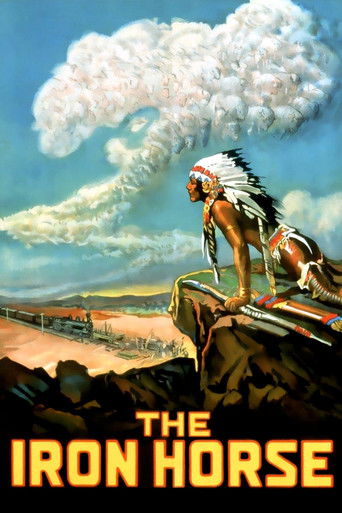
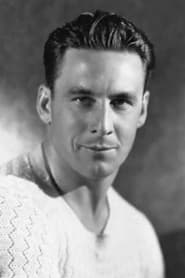
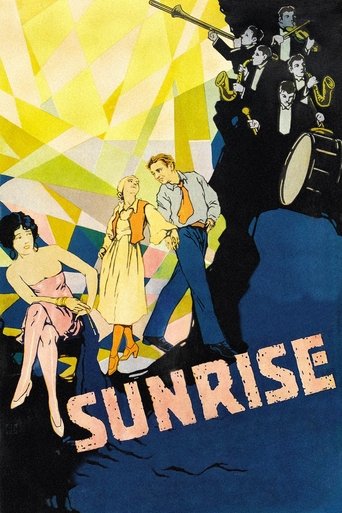
Prominent American actor who rose to stardom during the silent film era and successfully transitioned into sound pictures. Born into a prominent San Francisco family, he initially pursued athletics and served in the Navy before being discovered by director John Ford. His breakthrough came with Ford's epic Western 'The Iron Horse' (1924), which established him as a major leading man. O'Brien's most acclaimed performance was in F.W. Murnau's masterpiece 'Sunrise: A Song of Two Humans' (1927), where his portrayal of a conflicted farmer showcased remarkable emotional depth and subtlety. Throughout the late 1920s and 1930s, he became one of Fox's most reliable stars, particularly excelling in Westerns and action films. During World War II, he himself as a naval officer, earning the Silver Star and Bronze Star for his service. After the war, he made a few more films before retiring from acting in the early 1950s to focus on business ventures and family life.
The Craft
On Screen
O'Brien was known for his naturalistic acting style that set him apart from many of his silent-era contemporaries. He possessed a strong screen presence combined with an ability to convey complex emotions through subtle facial expressions and body language rather than exaggerated gestures. In his dramatic roles, particularly in 'Sunrise,' he demonstrated remarkable emotional range and psychological depth. For his Western and action roles, he projected authentic masculinity and physical prowess while maintaining an approachable, everyman quality that audiences found appealing. His transition to sound was seamless due to his clear, resonant voice and natural delivery patterns.
Milestones
- Breakthrough role in John Ford's 'The Iron Horse' (1924)
- Critically acclaimed performance in F.W. Murnau's 'Sunrise: A Song of Two Humans' (1927)
- Successful transition from silent to sound films
- Became one of Fox Film Corporation's biggest stars of the late 1920s
- Served with distinction as a naval officer during World War II
- Starred in numerous popular Westerns throughout the 1930s
Best Known For
Iconic Roles
Must-See Films
Accolades
Won
- Silver Star (military decoration)
- Bronze Star (military decoration)
- Navy Commendation Medal
Special Recognition
- Hollywood Walk of Fame star (located at 6701 Hollywood Boulevard)
- Veterans Hall of Fame (for military service)
Working Relationships
Worked Often With
Studios
Why They Matter
Impact on Culture
George O'Brien played a significant role in shaping the American Western genre during its formative years in cinema. His work with John Ford helped establish many of the archetypes and visual conventions that would define Westerns for decades. His performance in 'Sunrise' contributed to. O'Brien represented the ideal American leading man of his era - strong, handsome, yet vulnerable and relatable. His successful transition from silent to sound films provided a model for other actors facing the technological revolution in Hollywood.
Lasting Legacy
George O'Brien's legacy is primarily preserved through his iconic performance in 'Sunrise: A Song of Two Humans,' which consistently ranks among the greatest films ever made. While many of his contemporaries have been forgotten, his work in this masterpiece ensures his place in cinema history. His contributions to the Western genre, particularly through his collaborations with John Ford, helped lay the groundwork for the more sophisticated Westerns of later decades. His military service during WWII added another dimension to his legacy, demonstrating his commitment to country beyond his film career. Today, film scholars and classic cinema enthusiasts recognize him as an important figure who bridged the silent and sound eras with grace and talent.
Who They Inspired
O'Brien's naturalistic acting style influenced subsequent generations of actors, particularly in the Western genre where his blend of toughness and emotional accessibility became a template for future stars. His work with John Ford helped establish the director-actor collaboration model that would become central to Hollywood's golden age. The psychological depth he brought to his roles, especially in 'Sunrise,' demonstrated that leading men could be complex and flawed rather than simply heroic, paving the way for more nuanced male performances in American cinema. His successful career transition from silent films to talkies provided a blueprint for other actors facing similar challenges.
Off Screen
George O'Brien came from a San Francisco family; his father served as San Francisco's chief of police. He married actress Olive Borden in 1926, though their marriage ended in divorce in 1930. In 1933, he married actress Marguerite Churchill, with whom he had two children, including daughter Darcy O'Brien, who became a noted author. O'Brien was known for his athleticism and love of outdoor activities, including horseback riding, boxing, and football. After retiring from films, he successfully operated a ranch and later worked in the oil industry. He maintained friendships with many Hollywood figures, including John Wayne, with whom he had served in the Navy.
Education
Attended the University of California, Berkeley; studied law before pursuing acting
Family
- Olive Borden (1926-1930)
- Marguerite Churchill (1933-1972, her death)
Did You Know?
- Was a star football player at the University of California, Berkeley
- Served as a naval officer during both World War I and World War II
- Was a professional boxer before entering films
- His father, Daniel O'Brien, was San Francisco's chief of police
- Was a skilled horseman and performed many of his own stunts
- His performance in 'Sunrise' was praised for its subtlety in an era of exaggerated acting
- Was close friends with John Wayne, whom he knew from their Navy days
- Retired from acting to focus on his oil business and ranching interests
- His daughter Darcy O'Brien became a bestselling author and professor
- Turned down the lead role in 'The Big Trail' (1930), which launched John Wayne's career
In Their Own Words
Acting is not about being someone different. It's finding the similarity in what is apparently different, then finding myself in there.
The camera doesn't lie, but it can be fooled. The secret is not to try to fool it, but to be honest with it.
Frequently Asked Questions
Who was George O'Brien?
American with credits in this catalog. He is best known for his work in Westerns and his acclaimed performance in F.W. Murnau's 'Sunrise: A Song of Two Humans' (1927).
What films is George O'Brien best known for?
Titles linked here include Sunrise: A Song of Two Humans (1927), The Iron Horse (1924).
When was George O'Brien born and when did he die?
Born April 19, 1899; died September 4, 1985.
What awards did George O'Brien win?
While George O'Brien didn't receive major acting awards, he earned significant military honors including the Silver Star and Bronze Star for his service during World War II. He also received a star on the Hollywood Walk of Fame.
What was George O'Brien's acting style?
George O'Brien was known for his naturalistic acting style that emphasized subtlety and emotional authenticity over the exaggerated gestures common in silent films. He projected genuine masculinity while maintaining an approachable everyman quality that resonated with audiences.
How did George O'Brien get into acting?
George O'Brien was discovered by director John Ford while working as a stuntman and extra in Hollywood. Ford cast him in a small role that led to his breakthrough in 'The Iron Horse' (1924), launching his career as a leading man.
Did George O'Brien serve in the military?
Yes, George O'Brien served with distinction in the U.S. Navy during both World War I and World War II. During WWII, he earned the Silver Star and Bronze Star for his heroic actions as a naval officer.
Why did George O'Brien retire from acting?
George O'Brien gradually reduced his film appearances in the late 1940s and retired in the early 1950s to focus on business interests, including oil ventures and ranching. He preferred the quieter life of a businessman to the demands of Hollywood stardom.