
3 Bad Men
"Where three breaks"
Keys: Space play/pause · ←/→ 10s · F fullscreen · M mute · </> speed
About this film
Three outlaws come to the aid of a young girl after her father is killed.
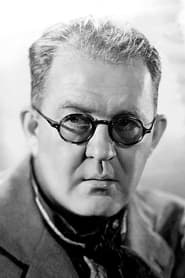
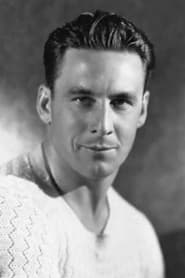
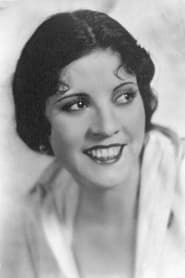
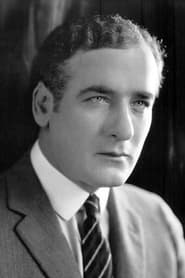
Cast & crew
More films like this
More Romance films
View all →




More from John Ford
View all →


More about this film
About the production
Release dateOctober 3, 1926
Budget$125,000
Box officeSuccessful at the box office, though exact figures are not documented
ProductionFox Film Corporation
Filmed inBishop, California, Mojave Desert, California, Fox Studios, Los Angeles
The film was shot during the summer of 1926 in extreme desert conditions, with cast and crew enduring temperatures over 100 degrees. John Ford insisted on authentic locations and used real cattle drives for the land rush sequences. The production employed over 500 extras for the massive land rush scenes, which took nearly three weeks to film. Ford's innovative use of multiple cameras during action sequences was considered groundbreaking for the time.
Themes
Themes & topics
land rushoutlawsDakota territoryrevengeprotectionsacrificeredemptionwesternsilent filmfrontier justice
Historical background
Made in its country of production around 1926, 3 Bad Men belongs to the late silent period. Its story of three outlaws come to the aid of a young girl after her father is killed spoke to audiences of the day through familiar genres and topical settings.
Why this film matters
Archivists and historians still cite 3 Bad Men when tracing how the late silent period filmmakers staged three and outlaws on screen.
Making of
John Ford, then only 32 years old, was given complete creative control by Fox after the success of his previous film 'The Iron Horse'. The production faced numerous challenges including extreme weather conditions in the California desert where temperatures often exceeded 110 degrees. The famous land rush sequence required meticulous planning and coordination, with Ford employing multiple cameras to capture the massive scope of the scene. George O'Brien performed many of his own stunts, including dangerous horse riding sequences. The relationship between Ford and star Olive Borden was reportedly tense on set, as Borden often arrived late and demanded special treatment. Despite these challenges, Ford's innovative direction and the cast's dedication resulted in what many consider a masterpiece of silent cinema.
What critics said
Reviews from 1926 weighed 3 Bad Men on pacing, performance, and novelty. Later criticism reads its emphasis on three, outlaws, come through modern standards of craft and representation.
Did you know?
- This was John Ford's first major Western success and helped establish his reputation in the genre
- The film was originally titled 'Three Bad Men' but Fox changed it to '3 Bad Men' for marketing purposes
- George O'Brien and John Ford collaborated on seven films together, with this being their most successful
- The massive land rush sequence used over 2,000 head of cattle and was filmed without modern special effects
- Olive Borden was one of the highest-paid actresses of the silent era, earning $1,500 per week for
- Lou Tellegen, who played the villain, was a former opera singer and matinee idol who would tragically commit suicide in 1934
- The film's success led to Ford being given more creative control by Fox executives
- The Dakota land rush depicted was based on the real 1889 land rush in Oklahoma Territory
- The film's preservation copy was discovered in the Czech Republic archives in the 1970s
- John Ford considered this one of his personal favorites among his silent films
Awards & recognition
- Photoplay Magazine Medal of Honor (1926) - Winner
Visual style
The cinematography by George Schneiderman and Charles G. Clarke was groundbreaking for its time, featuring sweeping landscapes and innovative camera movement. Ford and his cinematographers pioneered the use of wide shots to establish the vastness of the American West, a technique that would become a staple of the genre. The land rush sequence was filmed using multiple cameras positioned at various angles to create a sense of epic scale. The film's visual style emphasized natural lighting, particularly in the outdoor sequences, giving the images a realistic quality unusual for the period. Schneiderman employed innovative tracking shots during chase scenes, creating a sense of movement and excitement. The contrast between the expansive outdoor shots and intimate interior scenes demonstrated a sophisticated understanding of visual storytelling. The film's preservation reveals a remarkable level of detail and texture in the cinematography that was ahead of its time.
Innovations
The film featured several technical innovations for its time, particularly in its action sequences. Ford's use of multiple cameras during the land rush sequence was revolutionary, allowing for dynamic editing and comprehensive coverage of the massive scene. The production employed innovative techniques for creating realistic dust effects and cattle stampedes without modern special effects. The film's editing, particularly during action sequences, was unusually sophisticated for the period, utilizing rapid cuts and cross-cutting to build tension. The production also pioneered techniques for filming in extreme desert conditions, developing special camera housing and filters to deal with harsh sunlight and heat. The film's preservation revealed the technical excellence of the original cinematography, with remarkably clear images that have stood the test of time. These technical achievements helped establish new standards for action sequences in Western films.
Music
As a silent film, '3 Bad Men' would have been accompanied by live musical performances in theaters during its original release. The score was typically provided by theater orchestras or organists who used cue sheets provided by the studio. Fox Film Corporation supplied detailed musical suggestions that emphasized the film's dramatic moments and action sequences. The original score likely incorporated popular songs of the era as well as classical pieces. Modern restorations have been accompanied by newly composed scores, with the most notable being a 2015 restoration featuring an original score by composer Timothy Brock. These modern scores attempt to capture the spirit of silent era accompaniment while utilizing contemporary orchestral techniques. The film's emotional power was significantly enhanced by its musical accompaniment, particularly during the climactic land rush sequence and the film's poignant conclusion.
Famous quotes
We may be bad men, but we're not the kind to leave a woman alone when she needs help." - Tom Doniphon
There's some things a man's got to do, even if it costs him everything." - Bull Stanley
The law ain't always right, but a man's conscience is." - Dan O'Malley
This land belongs to those who have the courage to claim it." - Sheriff Layne Hunter
Sometimes the worst men do the best things." - Opening title card
Memorable scenes
- The epic land rush sequence featuring thousands of people and cattle racing across the prairie, filmed with multiple cameras and innovative techniques
- The emotional scene where the three outlaws decide to protect Millie despite the danger to themselves
- The climactic showdown where the three bad men face overwhelming odds to defend Millie's claim
- The poignant final scene where the redeemed outlaws face their fate with dignity
- The night scene around the campfire where the three men bond and reveal their backstories
What audiences thought
The film was a commercial success upon its release, playing to packed theaters across the country. Audiences responded enthusiastically to the action sequences and emotional story, with many theaters reporting standing ovations. The chemistry between the three leads was particularly praised by moviegoers. The film's success helped establish George O'Brien as a major star and solidified Olive Borden's status as one of the era's most popular actresses. In subsequent years, the film developed a cult following among silent film enthusiasts and Western fans. Modern audiences who have seen restored versions often praise its timeless themes and impressive action sequences. The film continues to be screened at film festivals and classic cinema revivals, where it consistently receives positive responses from contemporary viewers.
Film connections
Influenced by
- The Iron Horse (1924) - John Ford's previous Western success
- Stagecoach (1939) - Ford's later Western that built on themes from 3 Bad Men
- The Great Train Robbery (1903) - Early Western narrative structure
- D.W. Griffith's Western shorts - Visual storytelling techniques
This film influenced
- Stagecoach (1939)
- The Searchers (1956)
- The Good, the Bad and the Ugly (1966)
- Unforgiven (1992)
- No Country for Old Men (2007)
Film restoration
The film was considered partially lost for decades until a complete 35mm print was discovered in the Czech Film Archive in the 1970s. The Museum of Modern Art undertook a major restoration project in the 1980s, combining the Czech print with additional elements from other archives. A further digital restoration was completed in 2015 by the Fox Film Collection, resulting in a high-quality version that closely matches the original 1926 release. The film is now preserved in the collections of the Museum of Modern Art, the Library of Congress, and the Academy Film Archive. It is considered one of the best-preserved examples of John Ford's silent work.
Where to watch
- The Criterion Collection (Blu-ray/DVD)
- Kino Lorber (DVD release)
- FilmStruck streaming service (archived content)
- Museum of Modern Art film screenings
- TCM (Turner Classic Movies) periodic broadcasts
- Various classic film streaming platforms
- Academic film archives and libraries