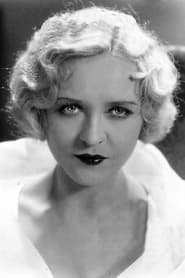
Phyllis Haver
Actor
Born: January 6, 1899 in Douglass, Kansas, USA Died: November 19, 1960 Active: 1916-1930 Birth Name: Phyllis Maude Haver
Films
10 films



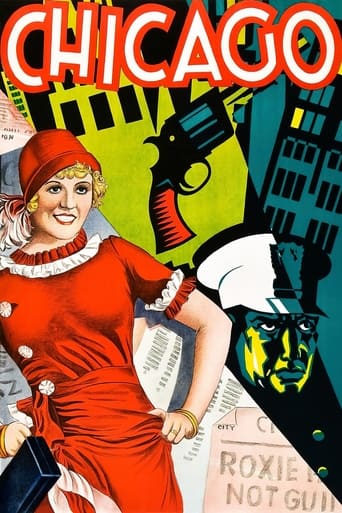
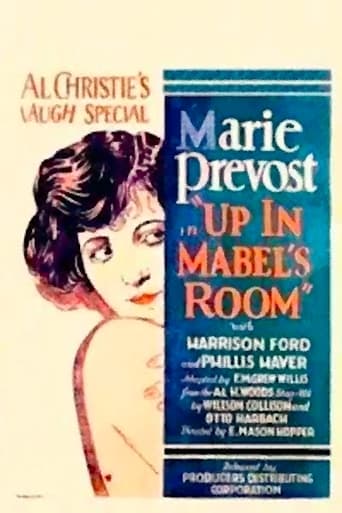
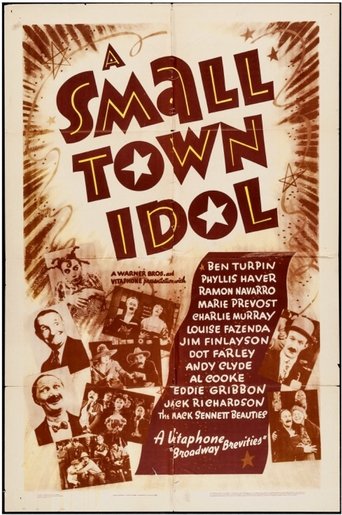
About Phyllis Haver
Prominent American actress during the silent film era, best known for her comedic talents and vivacious screen presence. She began her career as a Mack Sennett Bathing Beauty in 1916, quickly rising through the ranks to become recognizable comediennes of the 1920s. Haver's breakthrough came with her role in the controversial but highly successful film 'The Battle of the Sexes' (1928), where she starred opposite a young Cary Grant. She was particularly celebrated for her work in comedy films, often playing energetic, flirtatious characters who captivated audiences with their charm and wit. Throughout her career, she appeared in over 80 films, working with major studios like Paramount and First National. Haver's career effectively ended with the transition to sound films, as her particular brand of physical comedy didn't translate as well to the new medium. After retiring from acting in 1930, she married millionaire William Seeman and lived a quiet life away from Hollywood, becoming a successful businesswoman in her own right.
The Craft
On Screen
Phyllis Haver was known for her energetic, physical comedy style and expressive facial performances. Her acting was characterized by exaggerated gestures, playful flirtation, and a natural charisma that made her perfect for romantic comedies. She specialized in portraying vivacious, independent women who were both glamorous and approachable. Her background as a dancer contributed to her graceful movement and timing in physical comedy scenes.
Milestones
- Became a Mack Sennett Bathing Beauty in 1916
- Starred in 'The Battle of the Sexes' (1928) opposite Cary Grant
- Appeared in over 80 films during her career
- Named one of the WAMPAS Baby Stars of 1923
- Successfully transitioned from supporting roles to leading lady status
- Retired at the height of her fame in 1930
Best Known For
Iconic Roles
Must-See Films
Accolades
Won
- Named WAMPAS Baby Star of 1923
Special Recognition
- Star on the Hollywood Walk of Fame for Motion Pictures
Working Relationships
Worked Often With
Studios
Why They Matter
Impact on Culture
Phyllis Haver represented the quintessential flapper-era actress, embodying the newfound freedom and independence of women in the 1920s. Her work with Mack Sennett helped establish the template for female comedy in silent cinema, influencing generations of comediennes who followed. As a Bathing Beauty, she contributed to the popularization of athletic, healthy female beauty standards that contrasted with earlier Victorian ideals. Her success demonstrated that women could be both glamorous and funny, challenging traditional gender roles in entertainment.
Lasting Legacy
Phyllis Haver's legacy lies in her contributions to silent film comedy and her role as a transitional figure between the innocent heroines of early cinema and the sophisticated modern women of the late 1920s. Though her career was relatively brief, her impact on comedy was significant, particularly in establishing the archetype of the witty, independent female lead. Her successful transition to business life after Hollywood also set an example for other performers seeking post-acting careers. Today, film historians recognize her as an important figure in the evolution of screen comedy and women's roles in cinema.
Who They Inspired
Haver influenced subsequent generations of comediennes through her blend of physical comedy and romantic appeal. Her work demonstrated that women could carry comedic films without being merely supporting characters to male comedians. Her timing and expressive style influenced performers in both film and later television comedy. The template she helped create for the glamorous but accessible female comedian can be seen in the work of later stars like Carole Lombard and Lucille Ball.
Off Screen
Phyllis Haver married wealthy businessman William Seeman in 1930, shortly after retiring from films. The couple had no children but maintained a long and happy marriage until Seeman's death in 1955. After her acting career ended, Haver became involved in various business ventures and lived a relatively private life in Connecticut. She was known for her intelligence and business acumen, successfully managing her husband's affairs after his death. Haver remained connected to Hollywood through various social circles but never returned to acting. She passed away from a heart attack in 1960 at the age of 61.
Education
Attended local schools in Kansas, later studied dance and dramatic arts in Los Angeles
Family
- William Seeman (1930-1955)
Did You Know?
- Was one of the original Mack Sennett Bathing Beauties, a group that included Gloria Swanson and Carole Lombard
- Her film 'The Battle of the Sexes' (1928) was remade in 1928 with a different cast, showing the story's enduring appeal
- She was known for her athletic abilities and performed many of her own stunts
- Haver — talented dancer and incorporated dance into many of her comedy routines
- She retired at the peak of her career, turning down several sound film opportunities
- Her marriage to William Seeman made her one of the wealthiest former actresses in Hollywood
- She was known for her intelligence and spoke several languages fluently
- Haver — pioneer in establishing the 'dumb blonde' archetype, though she was anything but in real life
- She maintained lifelong friendships with many of her silent film colleagues
- Her Hollywood Walk of Fame star is located at 6801 Hollywood Boulevard
In Their Own Words
I'd rather be a good wife than a great actress any day.
Silent films required more acting than talkies. With sound, you just have to talk.
Mack Sennett taught me everything about comedy - timing, expression, and how to fall without getting hurt.
Being a Bathing Beauty wasn't just about looking pretty in a swimsuit, it was about being athletic and graceful too.
Frequently Asked Questions
Who was Phyllis Haver?
Prominent American actress and comedienne during the silent film era, best known for her work with Mack Sennett and her starring role in 'The Battle of the Sexes' (1928). She appeared in over 80 films and was particularly celebrated for her comedic talents and energetic performances.
What films is Phyllis Haver best known for?
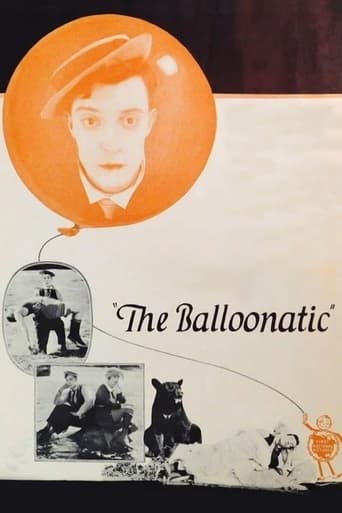
Titles linked here include The Battle of the Sexes (1928), The Balloonatic (1923).
When was Phyllis Haver born and when did she die?
Born January 6, 1899; died November 19, 1960.
What awards did Phyllis Haver win?
Phyllis Haver was named one of the WAMPAS Baby Stars of 1923, an honor given to promising young actresses. She also received a star on the Hollywood Walk of Fame for her contributions to motion pictures.
What was Phyllis Haver's acting style?
Haver was known for her energetic physical comedy, expressive facial performances, and natural charisma. She specialized in portraying vivacious, independent women with perfect comedic timing, often incorporating her dance background into her performances.
Why did Phyllis Haver retire so young?
Phyllis Haver retired in 1930 at age 31, shortly after marrying wealthy businessman William Seeman. She chose to leave acting at the height of her fame to focus on her marriage and business interests, never returning to Hollywood despite offers for sound film roles.
How did Phyllis Haver influence cinema?
Haver helped establish the template for female comedy in silent films, showing that women could be both glamorous and funny. She embodied the flapper-era ideals of independence and modernity, influencing subsequent generations of comediennes and contributing to the evolution of women's roles in cinema.