The Sultan's Wife
"On a sailing trip."
Keys: Space play/pause · ←/→ 10s · F fullscreen · M mute · </> speed
About this film
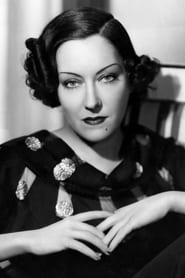
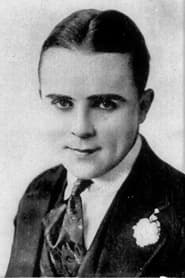
On a sailing trip, sweethearts Bobby and Gloria arrive in a very sinister-looking India, where an evil rajah attempts to force Gloria into his harem.
Cast & crew
More films like this

More from Clarence G. Badger
View all →


More about this film
About the production
Release dateAugust 12, 1917
ProductionTriangle Film Corporation
Filmed inLos Angeles, California, Triangle Studios
was produced during Gloria Swanson's early career period when she was establishing herself as a comedienne at Triangle Film Corporation. The production utilized studio sets to recreate Indian locations, which was common practice for the era due to budget constraints and the challenges of on-location shooting. The film featured elaborate costumes and set designs meant to evoke an exotic atmosphere, though these representations would be considered stereotypical by modern standards.
Themes
Romantic love overcoming obstaclesCultural clash between East and WestAdventure and danger in exotic landsThe hero's journey to rescue his belovedInnocence versus corruption
Themes & topics
Historical background
The 1917 release of The Sultan's Wife belongs to its era's exhibition habits rather than today's franchise model.
Why this film matters
Historians treat The Sultan's Wife as evidence of what typical 1917 audiences could see in a program slot.
Making of
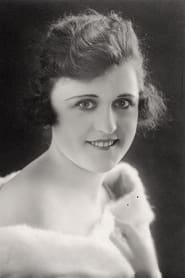
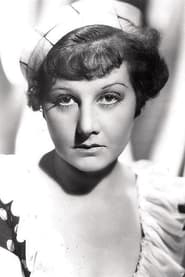
The production of 'The Sultan's Wife' took place during a transformative period in Hollywood's development. Triangle Film Corporation, under the leadership of Harry Aitken, was pioneering new distribution methods and attracting top talent. Gloria Swanson, though still early in her career, was already showing the star quality that would make her famous. The film was shot quickly on a modest budget, typical of the production pace of the era where studios often released multiple films per month. The exotic Indian setting was recreated entirely on California soundstages using painted backdrops and props, as location shooting was prohibitively expensive and logistically challenging. The chemistry between Swanson and Vernon was well-established, as they had appeared in several films together, making their on-screen romance believable to audiences. The director, Clarence G. Badger, was developing his reputation for handling both comedy and dramatic elements effectively, a skill that would serve him well throughout his career.
What critics said
Press files from 1917 mention The Sultan's Wife in roundup columns of what played that week.
Did you know?
- This was one of Gloria Swanson's earliest starring roles, helping establish her as a rising star in silent comedy before she became known for dramatic roles.
- The Sultan's Wife was part of Triangle Film Corporation's roster of productions, which was one of the major studios of the silent era.
- Director Clarence G. Badger was known for his work with comedians and would later direct several of Harold Lloyd's films.
- Bobby Vernon was a popular romantic comedy lead of the era and frequently co-starred with Swanson during this period.
- The film's exotic setting was entirely created on studio backlots in California, as was typical for the period.
- Triangle Film Corporation, the production company, was founded by Harry Aitken and was notable for its distribution innovations.
- The film was released during World War I, which influenced the types of escapist entertainment audiences sought.
- is now considered lost, as are many silent films from this period due to the fragile nature of nitrate film stock.
- The representation of India in the film reflects the exoticism and orientalist tropes common in Western cinema of the 1910s.
- Gloria Swanson would later become defining stars of the silent era, with her role in 'Sunset Boulevard' cementing her legacy.
Visual style
The cinematography in 'The Sultan's Wife' was typical of the period, utilizing static camera positions with occasional movement to follow the action. The film employed the visual language of silent cinema, with careful composition and lighting to convey emotion and atmosphere. The Indian setting was created through art direction and cinematography techniques rather than actual location shooting. The cinematographer used soft focus techniques for romantic scenes and more dramatic lighting for the sequences involving the villainous rajah. The film likely used tinting processes to enhance the exotic atmosphere, with amber or sepia tones for the Indian sequences and blue tints for night scenes. The visual style emphasized clarity and readability, essential for silent films where all narrative information had to be conveyed visually.
Innovations
While 'The Sultan's Wife' was not particularly innovative technically, it employed standard production techniques of the period that were still evolving as cinematic art. The film used multiple camera setups and editing techniques to create a coherent narrative flow, which was becoming more sophisticated by 1917. The production likely used the latest available film stock and camera equipment of the era. The creation of exotic Indian settings on studio backlots demonstrated the art direction capabilities of Triangle Film Corporation. The film's pacing and narrative structure reflect the growing sophistication of feature filmmaking, moving beyond the simpler storytelling of earlier short films. The use of intertitles to convey dialogue and exposition was handled efficiently, maintaining the flow of the story.
Music
As a silent film, 'The Sultan's Wife' would have been accompanied by live musical performance during its theatrical run. The typical presentation would have featured a pianist or small orchestra in the theater providing musical accompaniment that matched the on-screen action and mood. The score would have included popular songs of the era, classical pieces, and specially composed cues for dramatic moments. Music for the Indian sequences would have incorporated exotic-sounding themes, often using pentatonic scales and instruments meant to evoke Eastern music, even if these were Western interpretations. Theaters received cue sheets from the distributor suggesting appropriate musical selections for different scenes. No original composed score for survives, as was common for most silent productions.
Famous quotes
No recorded dialogue survives from this silent film
Memorable scenes
- The dramatic confrontation between the sweethearts and the evil rajah in his palace
- The sailing sequence that opens the film and establishes the romantic relationship
- The attempted abduction of Gloria by the rajah's henchmen
- The climactic rescue scene where Bobby saves Gloria from the harem
- The final reunion and escape from India
What audiences thought
Audiences in 1917 responded positively to 'The Sultan's Wife,' finding it an enjoyable escapist entertainment during the difficult war years. The film's blend of romance, comedy, and exotic adventure appealed to the diverse audiences attending movie theaters during the silent era. Gloria Swanson's growing popularity helped draw crowds, and her pairing with Bobby Vernon proved to be a successful combination that audiences enjoyed. The exotic setting, despite being studio-bound, provided the visual spectacle that moviegoers of the period craved. The film performed well enough to justify Triangle's investment in similar productions featuring the same leads. While exact box office figures are not available, the film's reception contributed to Swanson's rising star status and led to more starring roles for the young actress.
Film connections
Influenced by
- Popular orientalist literature of the early 20th century
- Earlier romantic adventure films
- Stage melodramas with exotic settings
- The tradition of the damsel in distress narrative
- Comedy-romance formulas being developed in silent cinema
This film influenced
- Later exotic adventure films of the silent era
- Other Gloria Swanson vehicles that followed
- Romantic comedies featuring similar rescue narratives
- Films with Eastern settings and Western protagonists
Film restoration
The Sultan's Wife is considered a lost film. Like many silent films produced on nitrate stock, no complete copies are known to exist in any film archive or private collection. The film was likely lost due to the decomposition of nitrate film stock, a common fate for movies from this era. Some production stills and promotional materials may survive in archives, but the actual film content has been lost to time. This loss is particularly significant as it represents an early starring role for Gloria Swanson before she became defining figures of silent cinema.
Where to watch
- Unfortunately, is not available for viewing as it is considered lost. No known copies exist in film archives or private collections. Film enthusiasts can learn about it through historical documentation, production stills, and written reviews from the period.