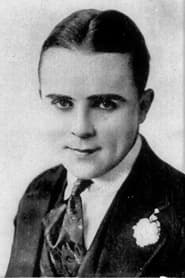
Bobby Vernon
Actor
Born: March 29, 1897 in Chicago, Illinois, USA Died: June 28, 1939 Active: 1915-1937 Birth Name: Joseph Vernon King
Films
3 films

About Bobby Vernon
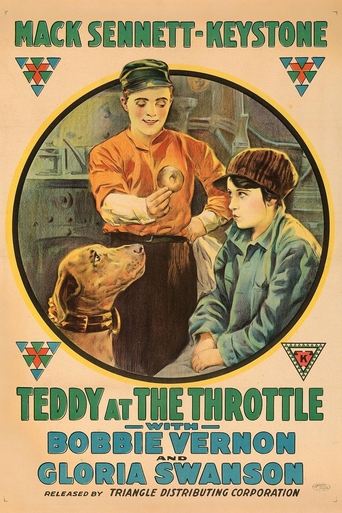
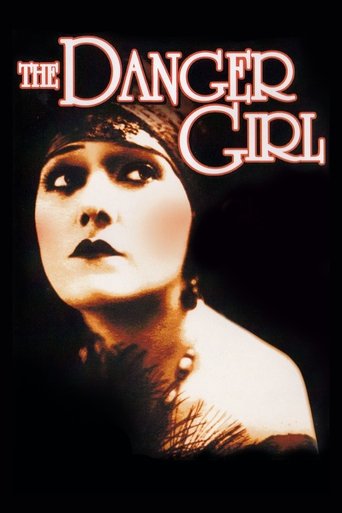
Bobby Vernon appears in The Danger Girl (1916), Teddy at the Throttle (1917), The Sultan's Wife (1917) in this catalog. He achieved his greatest success through a series of romantic comedies opposite Gloria Swanson, establishing himself as one of the era's most popular light comedy leading men. Vernon's boyish charm, expressive features, and natural comedic timing made him particularly appealing to audiences seeking more sophisticated entertainment than the broad slapstick common in earlier silent comedies. His career peaked between 1916-1918 with numerous successful collaborations with Swanson and director Clarence G. Badger, creating films that helped define the romantic comedy genre. As the industry transitioned to sound, Vernon struggled to adapt his particular style, though he continued working in increasingly smaller roles through the 1930s. His premature death at age 42 in 1939 cut short a career that had significantly influenced the development of screen comedy during Hollywood's formative years.
The Craft
On Screen
Bobby Vernon specialized in a refined form of comedy that emphasized boyish charm and romantic appeal over broad physical humor. His acting style featured expressive facial gestures, subtle physical comedy, and a natural, affable screen presence that made him particularly effective in romantic comedies. Unlike the exaggerated slapstick of earlier silent comedians, Vernon's approach was more nuanced and sophisticated, appealing to middle-class audiences who preferred gentler humor. His ability to balance comedy with genuine romantic emotion helped establish the template for the romantic comedy genre that would dominate Hollywood for decades.
Milestones
- Breakthrough at Keystone Studios under Mack Sennett (1915)
- Successful partnership with Gloria Swanson at Triangle Film Corporation (1916-1918)
- Starred in over a dozen romantic comedies with Swanson
- Transition from shorts to feature films in the late 1910s
- Continued working through the transition to sound films
Best Known For
Iconic Roles
Must-See Films
Working Relationships
Worked Often With
Studios
Why They Matter
Impact on Culture
Bobby Vernon played a significant role in the evolution of American screen comedy, representing the transition from broad slapstick to more sophisticated romantic humor during the mid-1910s. His successful partnership with Gloria Swanson helped establish the romantic comedy formula that would become a Hollywood staple for decades. Vernon's films demonstrated that comedy could be gentle and charming while still being commercially successful, influencing the direction of Hollywood comedy production. His work appealed particularly to middle-class audiences who preferred more refined entertainment, helping expand the market for sophisticated film comedies.
Lasting Legacy
Bobby Vernon's legacy lies in his contribution to the development of the romantic comedy genre and his role in elevating screen comedy beyond pure slapstick. While many of his films have been lost to time, those that survive provide valuable insight into the evolution of comedy during a crucial transitional period in Hollywood history. His career exemplifies both the opportunities and challenges faced by silent film stars during the transition to sound, as his particular style of gentle comedy proved difficult to adapt to the new medium. Vernon's influence can be seen in the later development of the romantic comedy genre, particularly in the balance of humor and romance that he helped perfect.
Who They Inspired
Vernon influenced the development of romantic comedy by demonstrating how humor and romance could be effectively combined on screen. His work with director Clarence G. Badger established techniques for blending comedy with genuine emotional content that would be refined by later filmmakers. While his direct influence on individual performers is difficult to trace, his screen persona helped create a template for the light comedy leading man that would be emulated by subsequent actors. His success in appealing to female audiences through a combination of charm and humor influenced how Hollywood marketed romantic comedies to viewers.
Off Screen
Bobby Vernon married twice during his lifetime, first to film editor Viola Lawrence in 1924, though their marriage ended in divorce in 1928. He later married actress Evelyn Greeley in 1929, with whom he remained until his death. Unlike many of his contemporaries, Vernon maintained a relatively private personal life and avoided the scandals that plagued some Hollywood figures of his era. His later years were marked by declining health, though he continued working in films until shortly before his death.
Education
Limited information available about his formal education, though he likely received theatrical training before entering films through vaudeville performance.
Family
- Viola Lawrence (1924-1928)
- Evelyn Greeley (1929-1939)
Did You Know?
- Born Joseph Vernon King but used the stage name Bobby Vernon throughout his entire career
- Was discovered by Mack Sennett while performing in vaudeville theater
- Often played characters named 'Bobby' in his films, blurring the line between his screen and real persona
- His partnership with Gloria Swanson was so popular that they made over a dozen films together in just two years
- Was one of the first successful comedy actors to transition from shorts to feature films
- His height of 5'7" made him somewhat shorter than many leading men of his era
- Continued working in films through the transition to sound, though in increasingly smaller roles
- Died of a heart attack at age 42, cutting short a career that was still active
- Many of his films have been lost, a common fate for over 90% of silent-era productions
- Was known for his professionalism and reliability on set, making him a favorite with directors and co-stars
- His real name Joseph Vernon King was sometimes mistakenly listed as Joseph King Vernon in film credits
- Despite his popularity, he never received a star on the Hollywood Walk of Fame
Frequently Asked Questions
Who was Bobby Vernon?
American silent film with credits in this catalog. He was best known for his romantic comedies, especially his frequent collaborations with Gloria Swanson at Triangle Film Corporation. Vernon's boyish charm and gentle comedic style made him a popular leading man in numerous silent films.
What films is Bobby Vernon best known for?
Titles linked here include The Danger Girl (1916), Teddy at the Throttle (1917).
When was Bobby Vernon born and when did he die?
Born March 29, 1897; died June 28, 1939.
What awards did Bobby Vernon win?
Bobby Vernon did not receive major formal awards during his career, which was common for actors of the silent era before the establishment of many industry honors. His recognition came primarily from his popularity with audiences and his successful collaborations with major stars like Gloria Swanson.
What was Bobby Vernon's acting style?
Bobby Vernon's acting style was characterized by his boyish charm, gentle humor, and natural screen presence. He specialized in romantic comedy, using expressive facial gestures and subtle physical comedy rather than broad slapstick. His approach was more refined than earlier silent comedians, making him particularly effective in sophisticated romantic comedies that appealed to middle-class audiences.
How did Bobby Vernon influence cinema?
Bobby Vernon influenced cinema by helping establish the romantic comedy genre during the silent era. His successful blend of humor and romance created a template that would be refined by later filmmakers. His work demonstrated that comedy could be sophisticated and charming rather than purely physical, expanding the appeal of film comedies to broader audiences.
What happened to Bobby Vernon's career in the sound era?
Like many silent film stars, Bobby Vernon struggled to transition to sound films. His particular style of gentle, visual comedy did not translate as well to the new medium, and he was relegated to increasingly smaller supporting roles. Though he continued working through the 1930s, he never regained the popularity he enjoyed during the silent era.