Clarence G. Badger
Director
Born: June 9, 1880 in San Francisco, California, USA Died: January 17, 1964 Active: 1915-1932 Birth Name: Clarence George Badger
Films
8 films



About Clarence G. Badger
prominent American film director during the silent era — known for his versatility in directing comedies, dramas, and adventure films. He began his career in the early 1910s, working his way up from minor roles to become a respected director by 1916. Badger gained significant recognition for his work with comedians like Wallace Beery and leading ladies such as Gloria Swanson, directing some of their most successful silent films. His career peaked in the mid-1920s with critically acclaimed comedies like 'Paths to Paradise' (1925), which showcased his talent for blending humor with sophisticated storytelling. As the transition to sound began in the late 1920s, Badger's directing career began to wane, though he continued working into the early sound era. His final directorial credits were in the early 1930s, after which he largely retired from filmmaking. Badger's contribution to silent cinema, particularly comedy, remains significant in film history.
The Craft
Behind the Camera
Clarence G. Badger was known for his efficient and versatile directing style, particularly excelling in comedy films where he demonstrated a keen understanding of timing and visual gags. His approach emphasized clear storytelling and strong visual composition, which was essential for silent film audiences. Badger had a talent for working with comedic actors, allowing them space to develop their physical comedy while maintaining narrative coherence. He often employed sophisticated camera techniques for the era and was adept at balancing humor with dramatic elements in his hybrid films.
Milestones
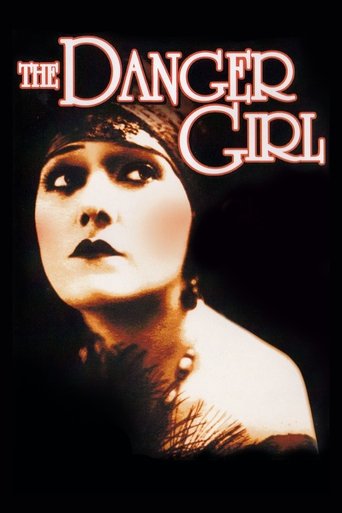
- Directed 'The Danger Girl' (1916), establishing his reputation in comedy
- Collaborated with Gloria Swanson on multiple successful films
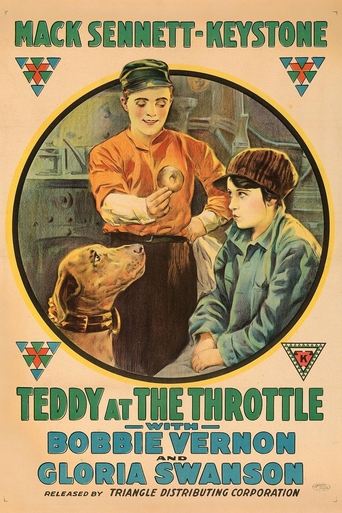
- Directed 'Teddy at the Throttle' (1917) starring Gloria Swanson and Wallace Beery
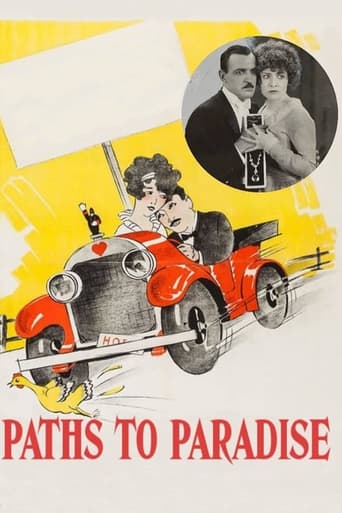
- Created the critically acclaimed comedy 'Paths to Paradise' (1925)
- Worked with major studios including Paramount and Fox
- Successfully transitioned from short films to feature-length productions
Best Known For
Must-See Films
Working Relationships
Worked Often With
Studios
Why They Matter
Impact on Culture
Clarence G. Badger made significant contributions to the development of American silent comedy, helping to establish many of the conventions that would define the genre. His work with major stars like Gloria Swanson helped launch and sustain their careers during the crucial transition from short films to features. Badger's films reflected the evolving sophistication of American cinema in the 1910s and 1920s, moving from simple slapstick toward more nuanced comedic storytelling. His ability to work across different genres demonstrated the versatility required of directors during the studio system's formative years.
Lasting Legacy
Badger's legacy lies primarily in his substantial body of work during the golden age of silent comedy, with films that continue to be studied by film historians and appreciated by silent cinema enthusiasts. His collaborations with some of the biggest stars of the era resulted in several films that are considered classics of silent comedy. While less remembered than some of his contemporaries, Badger's consistent output and technical competence helped establish professional standards for feature film direction during the silent era. His films serve as important examples of the transition from early film comedy to more sophisticated narrative forms.
Who They Inspired
Badger influenced subsequent generations of comedy directors through his effective blending of physical comedy with narrative storytelling. His work demonstrated how comedy could be successfully integrated into feature-length films, a format that would become standard in Hollywood. His collaborative approach with actors, particularly in developing their comedic personas, set precedents for director-actor relationships in comedy filmmaking. The technical proficiency and narrative clarity of his films provided models for directors working in the rapidly evolving film industry of the 1920s.
Off Screen
Clarence G. Badger was born in San Francisco and grew up during the early development of the film industry. He married actress and screenwriter June Mathis, a leading screenwriter and studio executive. Their marriage was significant in Hollywood circles as both were prominent figures in the film industry. After his retirement from directing, Badger lived a relatively private life away from the Hollywood spotlight.
Education
Limited formal education; largely self-taught in filmmaking through practical experience in the early film industry
Family
- June Mathis (1920-1925)
Did You Know?
- He married June Mathis,
- His film 'Paths to Paradise' (1925) is considered a lost film, with only fragments surviving
- He began his career as an actor before transitioning to directing
- Badger directed over 60 films during his career, mostly during the silent era
- He worked frequently with comedy producer Mack Sennett early in his career
- Many of his films featured innovative camera techniques for their time period
- His collaboration with Gloria Swanson included several of her early starring vehicles
- He was one of the directors who successfully made the transition from short films to feature-length productions
- His directing career declined with the advent of sound films
- Several of his films have been preserved by major film archives for their historical significance
In Their Own Words
Comedy in film must be visual, immediate, and universal to transcend the limitations of silent storytelling
The best film comedy comes from understanding human nature, not just from pratfalls and gags
Frequently Asked Questions
Who was Clarence G. Badger?
American on YTB.my.
What films is Clarence G. Badger best known for?
Titles linked here include The Danger Girl (1916), Teddy at the Throttle (1917).
When was Clarence G. Badger born and when did he die?
Born June 9, 1880; died January 17, 1964.
What awards did Clarence G. Badger win?
During the silent era when Badger was most active, formal award systems like the Academy Awards were not yet established, so he did not receive major industry awards during his career.
What was Clarence G. Badger's directing style?
Badger was known for his efficient, versatile directing style with particular strength in comedy, emphasizing clear visual storytelling, strong timing for gags, and the ability to balance humor with dramatic elements in feature films.