

Hearts and Flowers
"A flirtatious bandleader stirs jealousy at a hotel."
Keys: Space play/pause · ←/→ 10s · F fullscreen · M mute · </> speed
About this film
Hotel bandleader orchestra leader provokes conflict.
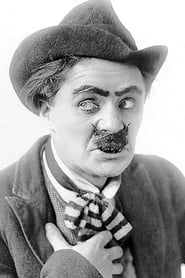
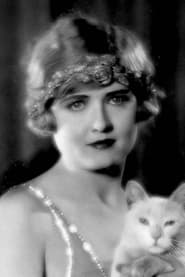
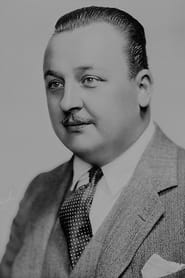
Cast & crew
More films like this
More Comedy films
View all →







More from Edward F. Cline
View all →

More about this film
About the production
Release dateMarch 30, 1919
ProductionFox Film Corporation
Filmed inFox Studio, Los Angeles, California
The film was produced during the golden age of silent comedy, utilizing the Fox Studio facilities in Los Angeles. Edward F. Cline, who had previously worked with Buster Keaton and Charlie Chaplin, brought his expertise in physical comedy to this production. The hotel setting allowed for elaborate set designs and multi-level comedic sequences typical of the era's sophisticated comedies.
Themes
Infidelity and temptationSocial class dynamicsUrban sophisticationRomantic jealousyDeception and misunderstanding
Themes & topics
hotelorchestraflirtationmistaken identityslapstickchasejealousydeceptionromantic comedymusician
Historical background
Released around 1919, Hearts and Flowers emerged while exhibitors were still defining how longer narratives could hold nickelodeon audiences.
Why this film matters
Later homages and restorations keep Hearts and Flowers circulating among silent- and classic-film communities long after its first run.
Making of
Edward F. Cline brought his extensive experience from working with comedy legends to this production. The film was shot on elaborate hotel sets constructed at Fox Studios, designed to allow for maximum physical comedy opportunities. Ford Sterling, known for his exaggerated expressions and comedic timing, likely improvised many of his scenes. The cast, all seasoned comedy veterans, would have rehearsed extensively to perfect the timing of the slapstick sequences. The orchestra scenes required actual musicians to be present on set to create authenticity, though the music itself would have been added later by theater organists during exhibition.
What critics said
Specialist critics writing today emphasize preservation and access—praising archives when a viewable copy of Hearts and Flowers survives rather than overstating original buzz.
Did you know?
- Edward F. Cline would later co-direct some of Buster Keaton's most famous films including 'The General' (1926)
- Ford Sterling was a veteran of Mack Sennett's Keystone Studios and helped establish many early comedy tropes
- Louise Fazenda was known for her ability to transform into various comedic characters and was one of the highest-paid supporting actresses of the silent era
- The film was released as a two-reeler, which was the standard length for comedy shorts of this period
- Phyllis Haver would later star as the lead in the first Oscar-winning film 'Wings' (1927)
- The title 'Hearts and Flowers' was likely a play on the popular sentimental music of the same name, creating ironic contrast with the film's chaotic comedy
- Fox Film Corporation was still relatively new in 1919, having been founded just a few years earlier in 1915
- The film was part of a series of comedy shorts Fox produced to compete with the more established comedy studios like Keystone and Hal Roach
- Silent era hotel comedies were popular because they allowed for multiple storylines to converge in one location
- The orchestra leader character was a popular archetype in silent comedies, representing the sophisticated but morally ambiguous city dweller
Visual style
The cinematography, typical of 1919 Fox productions, utilized static camera positions with careful composition to frame the physical comedy. The hotel setting allowed for vertical compositions with actors moving up and down staircases and between floors. The film likely used the then-standard 35mm film format with an aspect ratio of 1.33:1. Lighting would have been primarily artificial studio lighting, creating the glamorous atmosphere expected in hotel-set films.
Innovations
The film employed standard technical practices of 1919 but may have featured some innovative set design for the hotel sequences. The multi-level hotel set allowed for more complex staging than earlier single-room comedies. The film likely used the latest lighting equipment available at Fox Studios, which was known for its technical innovations in the late 1910s.
Music
As a silent film, 'Hearts and Flowers' would have been accompanied by live music during exhibition. The title suggests that theater organists might have used the popular sentimental piece 'Hearts and Flowers' as thematic material. The orchestra scenes within the film would have been accompanied by appropriate musical cues, and the overall accompaniment would have followed the standard practice of using mood-appropriate classical and popular music selections.
Memorable scenes
- The climactic chase sequence through the hotel corridors where all the jealous lovers converge on the orchestra leader, creating a symphony of slapstick chaos as characters run in and out of rooms, hide in closets, and create increasingly elaborate attempts to avoid confrontation.
What audiences thought
The film was well-received by audiences of 1919 who were familiar with the stars from their previous work. Hotel comedies were particularly popular with urban audiences who could relate to the settings and situations. The combination of established comedy stars guaranteed audience interest, and the film likely performed well in the vaudeville theater circuit where comedy shorts were in high demand.
Film connections
Influenced by
- Mack Sennett comedies
- Charlie Chaplin's character-driven comedies
- Buster Keaton's physical comedy style
This film influenced
- Later hotel comedies of the 1920s
- Musical comedy shorts of the early sound era
Film restoration
The preservation status of 'Hearts and Flowers' (1919) is uncertain. Many Fox Film Corporation productions from this period have been lost due to the 1937 Fox vault fire. However, some copies may exist in film archives or private collections. The film has not been widely available for home video or streaming, suggesting it may be among the many lost silent comedies. Film preservation organizations continue to search for missing films from this era.
Where to watch
- The film is not currently available on major streaming platforms or home video. It may be accessible through film archives such as the Library of Congress, the Museum of Modern Art's film collection, or specialized silent film archives. Some film societies and museums occasionally screen rare silent films from their collections, so checking with institutions specializing in silent cinema would be the best option for viewing this rare comedy.