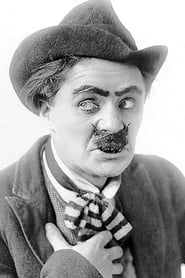
Billy Armstrong
Actor
Born: January 14, 1879 in Bristol, England Died: March 1, 1924 Active: 1915-1924 Birth Name: William Armstrong
Films
15 films
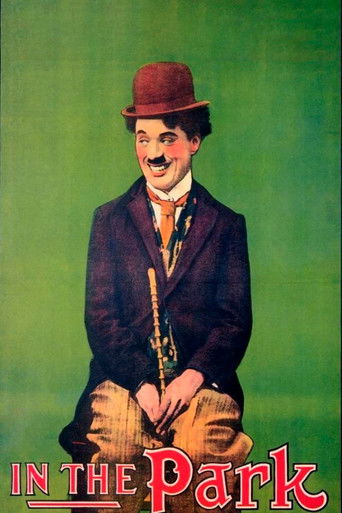

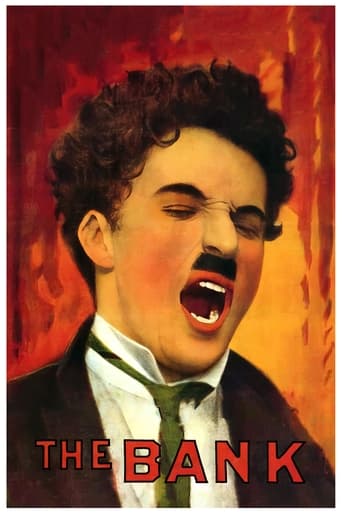
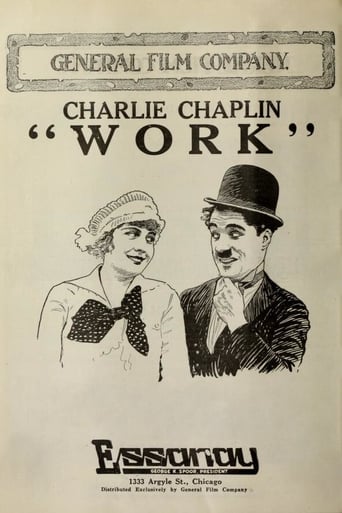
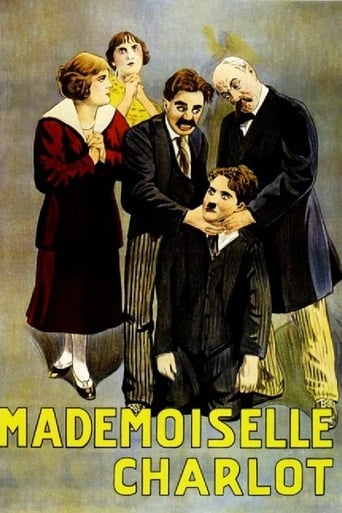
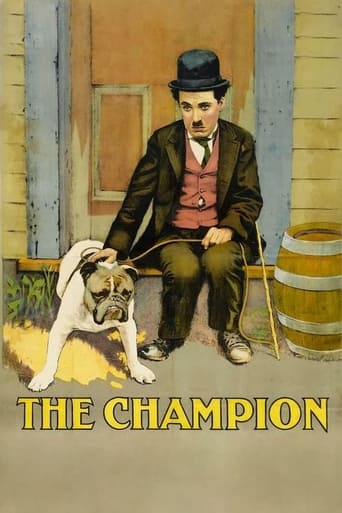
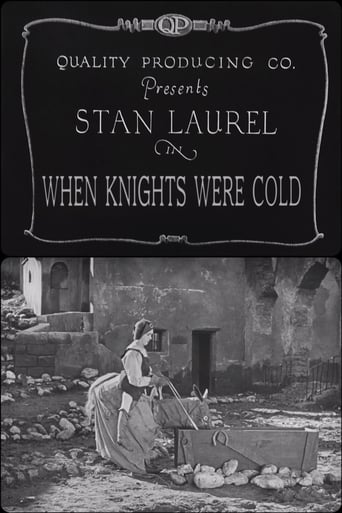
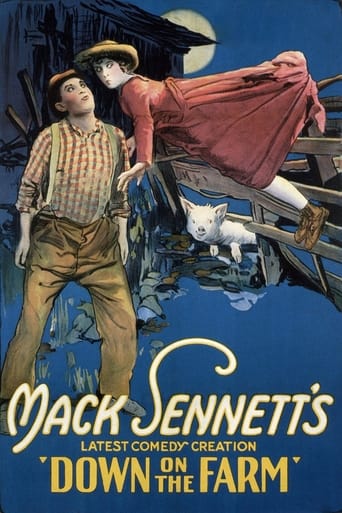
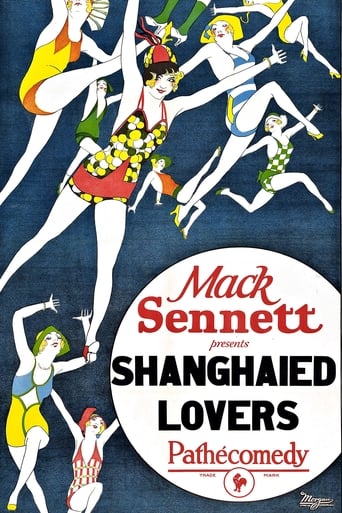
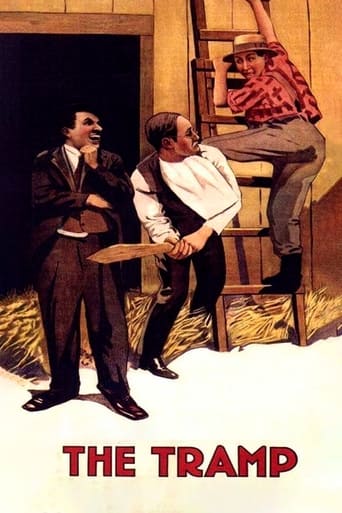
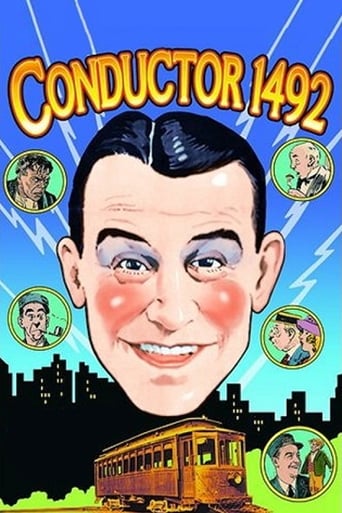
About Billy Armstrong
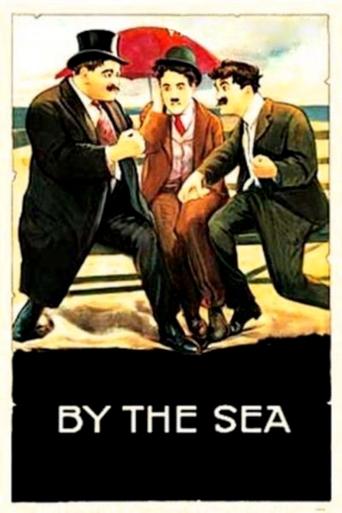
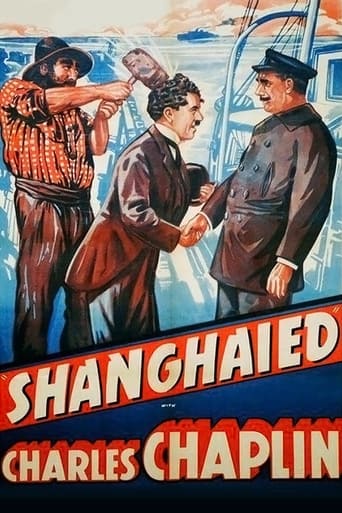
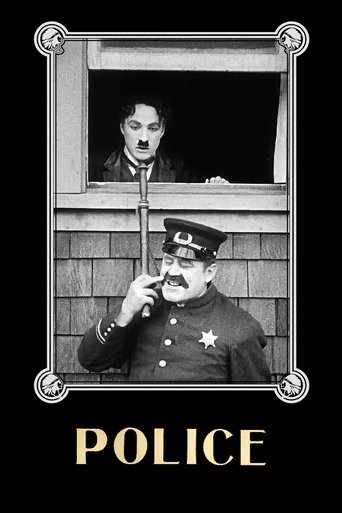
British-born character actor who found fame as a regular member of Charlie Chaplin's stock company during the silent film era. Born William Armstrong, he began his entertainment career in British music halls before transitioning to films in the early 1910s. Armstrong moved to the United States and joined Chaplin at Essanay Studios in 1915, where he became one of Chaplin's most reliable supporting players, often playing antagonists or comic foils to Chaplin's Tramp character. His distinctive appearance, with his round face and expressive features, made him instantly recognizable to audiences of the time. Armstrong appeared in numerous Chaplin shorts including 'The Bank,' 'Work,' 'By the Sea,' 'Shanghaied,' and 'In the Park.' After his collaboration with Chaplin ended, he continued working in silent films throughout the 1920s, though never achieving the same level of recognition. His screen career ran from 1915 to 1924, during which he appeared in dozens of films, primarily comedies. Armstrong's contribution to early cinema, particularly his role in helping establish Chaplin's comic universe, remains an important though often overlooked part of film history.
The Craft
On Screen
Armstrong specialized in physical comedy and character acting, often playing blustery, pompous, or aggressive characters who served as perfect foils to Chaplin's more sympathetic Tramp. His background in music hall entertainment gave him a natural command of slapstick timing and exaggerated expressions. Armstrong had a particular talent for playing authority figures, villains, or comic antagonists who would ultimately be outwitted or humbled by Chaplin's character. His round face, expressive eyes, and ability to convey both menace and comedy made him a versatile presence in silent films.
Milestones
- Joined Charlie Chaplin's stock company at Essanay Studios (1915)
- Established himself as a reliable character actor in silent comedies
- Transitioned from British music hall to American film industry
Best Known For
Iconic Roles
Must-See Films
Accolades
Special Recognition
- Recognized as part of Charlie Chaplin's original stock company
Working Relationships
Worked Often With
Studios
Why They Matter
Impact on Culture
Billy Armstrong played a significant though often underappreciated role in the development of silent comedy cinema. As a member of Chaplin's stock company, he contributed to the establishment of the comic archetypes and narrative structures that would define silent film comedy. His performances helped create the contrast that made Chaplin's Tramp character so endearing - Armstrong's characters often represented the harsh, absurd, or comically threatening aspects of society that the Tramp had to navigate. Though not a star in his own right, Armstrong's work influenced how supporting characters were used in comedy films, demonstrating the importance of a well-chosen antagonist in highlighting the protagonist's virtues.
Lasting Legacy
Billy Armstrong's legacy is primarily tied to his contributions to Charlie Chaplin's early films, which are now considered classics of world cinema. While he never achieved individual stardom, film historians and Chaplin enthusiasts recognize him as an essential part of the ensemble that helped create some of the most influential comedies in film history. His performances continue to be studied by scholars of silent cinema as examples of effective character acting in early film comedy. Armstrong represents the many talented supporting players of the silent era who, while not household names, were crucial to the success of the films and stars they worked with.
Who They Inspired
Armstrong influenced subsequent generations of character actors through his ability to create memorable supporting roles that enhanced rather than overshadowed the lead. His work demonstrated how effective comic antagonists could be in establishing the tone and themes of comedy films. Many later character actors in comedy films would follow his example of creating distinctive, recurring types that audiences could immediately recognize and respond to. His collaboration with Chaplin also helped establish the importance of a reliable stock company in maintaining consistency and quality in film series.
Off Screen
Billy Armstrong was born William Armstrong in Bristol, England, and began his career in British entertainment before emigrating to the United States. He married actress Alma Bennett in 1915, though the marriage ended in divorce. Armstrong's life was relatively private compared to many of his contemporaries, with little documented about his personal interests or activities outside of his film work. He died relatively young at age 45 in 1924, cutting short what might have been a longer career in the evolving film industry.
Education
Unknown - likely informal training through music hall and theater experience
Family
- Alma Bennett (1915-1919)
Did You Know?
- Was born William Armstrong but used Billy as his professional name
- Began his career in British music halls before moving to films
- Was part of Chaplin's original stock company at Essanay Studios
- Often played the heavy or antagonist in Chaplin's films
- Married actress Alma Bennett, who also appeared in Chaplin films
- His distinctive round face made him instantly recognizable to audiences
- Appeared in over 30 films during his brief 9-year career
- Died at the relatively young age of 45
- Was one of the few British actors in Chaplin's predominantly American stock company
- His performances helped establish the template for comic antagonists in silent films
In Their Own Words
Working with Chaplin was the greatest education any actor could have - he taught us everything about timing and expression
In comedy, the villain is just as important as the hero - without someone to fight against, there's no story
Frequently Asked Questions
Who was Billy Armstrong?
British-born character with credits in this catalog. He was a regular member of Chaplin's stock company at Essanay Studios, often playing antagonists or comic foils to Chaplin's Tramp character.
What films is Billy Armstrong best known for?
When was Billy Armstrong born and when did he die?
Born January 14, 1879; died March 1, 1924.
What awards did Billy Armstrong win?
Billy Armstrong did not receive any major awards during his lifetime, as was common for character actors in the silent era. His recognition comes primarily from his association with Chaplin's classic films and his contribution to early cinema.
What was Billy Armstrong's acting style?
Armstrong specialized in physical comedy and character acting, often playing blustery or aggressive characters. His music hall background gave him excellent timing and expressive abilities, making him an effective comic antagonist who highlighted Chaplin's more sympathetic character.