
When Knights Were Cold
"Stan Laurel's medieval survival comedy fragment."
Keys: Space play/pause · ←/→ 10s · F fullscreen · M mute · </> speed
About this film
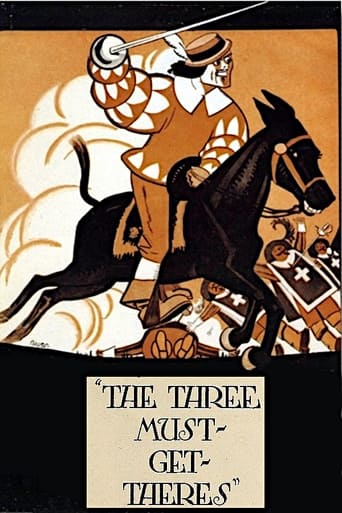
Though only the second half survives, here's a synopsis of what's left: Stan is a Robin Hood-type character in a medieval walled town. He's chased by an army of knights, but both he and his pursuers ride music-hall half-horse costumes in lieu of real steads. He proceeds to fight.
Cast & crew
More films like this
More Comedy films
View all →







More about this film
About the production
Release dateMarch 1923
ProductionBroncho Film Company
Filmed inLos Angeles, California
This was one of Stan Laurel's early solo comedies before his partnership with Oliver Hardy. The film was shot during the transition period when Laurel was establishing his screen persona in American cinema. The use of half-horse costumes was a typical music hall comedy device that Laurel brought from his British vaudeville background to American silent films.
Themes
Parody of swashbuckling filmsMedieval romanceComedy through absurdityUnderdog hero triumphsMusic hall comedy traditions
Themes & topics
Robin Hood parodyMedieval comedySword fightingChase sequencePrincess rescuePhysical comedySilent filmShort film
Historical background
When Knights Were Cold (1923) reached screens through Broncho Film Company. Exhibitors of the time built silent-era bills that mixed shorts, features, and live acts, so a clear premise helped When Knights Were Cold travel between cities and exchange markets.
Why this film matters
Archivists and revival programmers still cite When Knights Were Cold (1923) when tracing studio habits, casting pools, and the visual rhetoric audiences once took for granted. Even modest surviving prints help map how When Knights Were Cold fit beside competing releases of its day.
Making of
The production of 'When Knights Were Cold' took place during a crucial period in Stan Laurel's career when he was transitioning from British music hall and American vaudeville to becoming a film star. The film's medieval setting required more elaborate sets and costumes than typical comedy shorts of the era. The half-horse costumes, while comedic, also served a practical purpose by eliminating the need for actual horses and the complications they bring to film shoots. Director Frank Fouce, primarily known for his work behind the camera as a cinematographer, brought a visual sensibility to the comedy that enhanced the physical gags. The sword fighting sequences, while parodying the dramatic style of Douglas Fairbanks, required considerable choreography and rehearsal to maintain both comedic timing and the appearance of swashbuckling action.
What critics said
Trade coverage around 1923 discussed When Knights Were Cold for pacing, clarity, and program fit rather than blockbuster grosses. Later writers value it as evidence of period style and as a reference point beside other films from the same era.
Did you know?
- Only the second half of the production survives today, making it a partially lost film from the silent era
- The film was produced by the Broncho Film Company, which specialized in westerns and comedies
- Stan Laurel's wife at the time, Mae Laurel, appears in the film, though her role is not clearly documented in surviving records
- The half-horse costumes were a popular comedy device in vaudeville and early film, representing the horse's front half while the actor's legs provided the rear legs
- the production was released just before Laurel began his transition toward the character type that would later make him famous in the Laurel and Hardy partnership
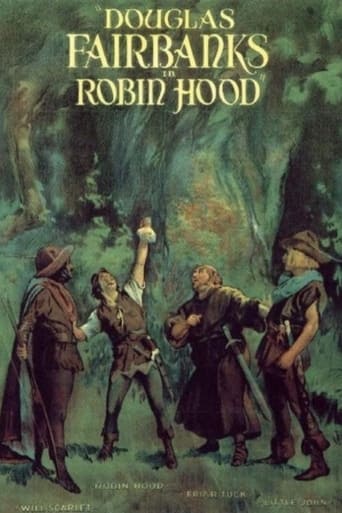
- The Robin Hood parody format was popular in the early 1920s, following the success of Douglas Fairbanks' 1922 film 'Robin Hood'
- Director Frank Fouce was primarily known as a cinematographer before moving into directing
- The film was part of a series of short comedies Laurel made for Broncho in 1922-1923
- Medieval settings were relatively expensive for comedy shorts, suggesting the production had some confidence in the project
- The surviving footage shows Laurel's already-developed comedic timing and physical comedy skills
Visual style
The cinematography in 'When Knights Were Cold' reflects the standard practices of comedy short production in the early 1920s. The camera work is functional rather than artistic, focusing on clearly capturing the physical comedy and action sequences. The medieval setting allowed for more interesting backgrounds than typical contemporary comedies, with castle walls and period architecture adding visual interest. The sword fighting sequences would have required careful framing to ensure both the action and comedic elements were visible. The half-horse sequences would have presented unique challenges for the cinematographer in framing the ridiculous costumes while maintaining the illusion of horseback riding.
Innovations
The film does not appear to feature any significant technical innovations for its time. The production used standard film equipment and techniques of the early 1920s. The half-horse costumes, while creative, were based on existing theatrical traditions rather than cinematic innovations. The sword fighting sequences demonstrate competent stunt coordination and choreography typical of action comedies of the period. The film's survival in partial form is largely due to the standard 35mm film stock used, which has proven more durable than some earlier film formats.
Music
As a silent film, 'When Knights Were Cold' would have been accompanied by live musical performance during its theatrical run. The specific musical score or cue sheets used for the production are not known to have survived. Typically, comedy shorts of this era would have been accompanied by a pianist or small theater orchestra using standard musical cues for action, comedy, and romantic scenes. The medieval setting would have allowed for period-appropriate musical themes during the ceremony sequences, while the chase scenes would have required lively, comedic music. Modern screenings of the surviving footage are typically accompanied by newly composed scores or improvisation by silent film accompanists.
Memorable scenes
- The extended chase sequence where Stan Laurel and the pursuing knights ride absurd half-horse costumes through the medieval town, creating visual comedy as the actors' legs serve as the horses' back legs while they control the front half of the costume
What audiences thought
Audience reception in 1923 is not well documented for this particular short film. As a comedy short playing in theaters, it would have been judged primarily on its ability to generate laughs from theater audiences. The fact that Laurel continued making films suggests audiences responded positively enough to his work. The medieval parody format would have been immediately recognizable to audiences familiar with the popular Robin Hood films of the period. Modern audiences who have seen the surviving footage at silent film festivals or in archives generally respond positively to the physical comedy and the absurdity of the half-horse sequences.
Film connections
Influenced by
- Douglas Fairbanks' 'Robin Hood' (1922)
- British music hall tradition
- Vaudeville comedy
- Swashbuckling adventure films
Film restoration
Partially lost film - only the second half survives. The existing footage is preserved in film archives, likely including the Library of Congress and major silent film collections. The missing first half represents a significant loss to Laurel's early filmography and silent comedy history.
Where to watch
- The surviving footage is occasionally screened at silent film festivals and special archive presentations
- Available through some film archives and specialized silent film collections for research purposes
- May be included in rare DVD collections of early Stan Laurel works
- Accessible through academic film libraries and archives