Films
2 films
About Scotty MacGregor
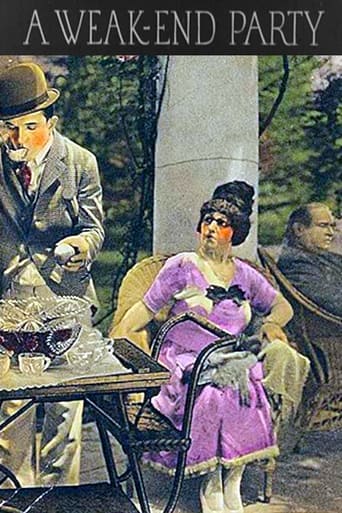
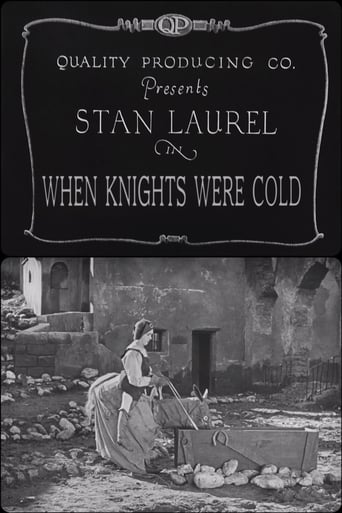
Silent film actor active during the early 1920s, appearing primarily in comedy shorts. His career, though brief, coincided with the golden age of silent comedy when studios like Hal Roach and Mack Sennett were producing numerous two-reelers. MacGregor appeared in at least two known productions, 'The Weak-End Party' in 1922 and 'When Knights Were Cold' in 1923, both of which were typical of the slapstick comedy genre popular at the time. Like many supporting actors of the silent era, he likely played various character roles and bit parts, contributing to the ensemble casts that were essential to comedy productions of this period. His filmography suggests he may have been associated with comedy production companies that specialized in rapid-fire short subjects. The brevity of his known career was not uncommon for actors in the silent film industry, where many performers appeared in only a handful of films before moving on to other pursuits or being lost to film history.
The Craft
On Screen
As a silent era comedy actor, MacGregor likely employed the exaggerated physical comedy and facial expressions characteristic of the period. Silent comedy required actors to convey emotion and humor through body language, gestures, and pantomime, often within the fast-paced format of two-reel comedy shorts.
Milestones
- Appeared in 'The Weak-End Party' (1922)
- Appeared in 'When Knights Were Cold' (1923)
Best Known For
Must-See Films
Working Relationships
Studios
Why They Matter
Impact on Culture
Scotty MacGregor represents the countless supporting actors who formed the backbone of silent era comedy productions. While not a star, actors like MacGregor were essential to the ensemble casts that populated the numerous comedy shorts of the early 1920s. Their contributions, though often without on-screen billing in surviving records, helped create the American silent comedy that influenced generations of filmmakers and comedians.
Lasting Legacy
MacGregor's legacy lies in his participation in the silent comedy tradition, even if his individual contributions have been largely lost to time. He exemplifies the journeyman actor who populated Hollywood's early years, contributing to the development of American comedy cinema despite never achieving lasting fame. His known filmography serves as a reminder of the many anonymous performers who helped build the foundation of Hollywood's golden age.
Who They Inspired
As a minor actor from the silent era, MacGregor's direct influence on subsequent performers is difficult to trace. However, like all participants in silent comedy, he contributed to the evolution of physical comedy techniques and timing that would influence later generations of comedians, from the Marx Brothers to modern physical comedians.
Off Screen
Very little is documented about Scotty MacGregor's personal life, which was common for many supporting actors of the silent era who did not achieve star status. Like many bit players and character actors of his time, personal details were rarely recorded in film industry publications unless the actor achieved significant fame.
Did You Know?
- Appeared in films during the peak of silent comedy production
- His filmography consists of only two known films from 1922-1923
- The titles of his known films suggest they were comedy shorts
- Like many silent era actors, his complete filmography may be lost or undocumented
- His active years covered the transition period when comedy shorts were extremely popular
- No biographical details are readily available in standard film reference works
- His name may have been a stage name typical of the period
- Supporting actors like MacGregor often appeared without on-screen billing in surviving materials
Frequently Asked Questions
Who was Scotty MacGregor?
Silent film with credits in this catalog. He appeared in at least two films, 'The Weak-End Party' (1922) and 'When Knights Were Cold' (1923), representing the many supporting actors who populated Hollywood's silent era productions.
What films is Scotty MacGregor best known for?
Titles linked here include The Weak-End Party (1922), When Knights Were Cold (1923).
When was Scotty MacGregor born and when did he die?
Birth and death dates for Scotty MacGregor are not documented in available film reference sources, which was common for many supporting actors of the silent era who did not achieve star status.
What awards did Scotty MacGregor win?
There are no recorded awards or nominations for Scotty MacGregor, which was typical for most supporting actors in the early 1920s film industry when major award ceremonies were not yet established.
What was Scotty MacGregor's acting style?
As a silent era comedy actor, MacGregor likely employed the exaggerated physical comedy, pantomime, and facial expressions characteristic of the period, essential for conveying humor without dialogue in the fast-paced comedy shorts of the early 1920s.