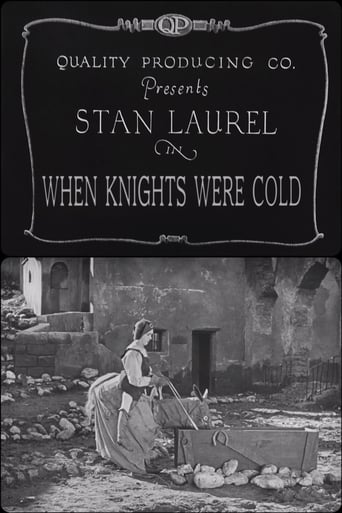
Films
1 film
About Frank Fouce
American film director active during the silent era, known primarily for his work on the 1923 comedy 'When Knights Were Cold.' His career appears to have been exceptionally brief, with only this single directorial credit documented in film archives. The film itself was a short comedy that parodied medieval tales and knightly adventures, typical of the popular genre spoofs of the early 1920s. Despite the limited scope of his known filmography, Fouce contributed to the rich landscape of silent comedy during Hollywood's formative years. His work represents the countless lesser-known filmmakers who populated the burgeoning studio system of the early 1920s. Unfortunately, detailed records of his life, career trajectory, and other potential works remain scarce in historical archives. Like many early cinema figures, much of Frank Fouce's story appears lost to time, with 'When Knights Were Cold' standing as his sole documented contribution to film history.
The Craft
Behind the Camera
Comedy director specializing in parody and spoof films during the silent era
Milestones
- Directed 'When Knights Were Cold' (1923)
Best Known For
Must-See Films
Why They Matter
Impact on Culture
Frank Fouce represents the countless anonymous contributors to early cinema history whose individual works, while not achieving lasting fame, collectively shaped the development of American film. His single known film 'When Knights Were Cold' exemplifies the popular trend of parody comedies that flourished during the silent era, demonstrating how even minor directors participated in Hollywood's creative experimentation. While his personal impact on cinema may have been minimal, his work shows the vast network of filmmakers who populated the early studio system. The scarcity of information about Fouce highlights the challenge of film historians in preserving the complete picture of cinema's formative years.
Lasting Legacy
Frank Fouce's legacy is primarily that of an obscure but representative figure from Hollywood's silent era, illustrating how many early filmmakers have been lost to history despite their contributions to the medium. His single known work, 'When Knights Were Cold,' serves as a historical artifact documenting the types of comedy productions that entertained audiences in the early 1920s. While he did not achieve lasting fame or recognition, Fouce's career exemplifies the transient nature of early Hollywood, where countless directors worked on short films that have since been lost to time. His story underscores the importance of film preservation and historical documentation in capturing the full scope of cinema's development.
Who They Inspired
Due to the extremely limited documentation of Frank Fouce's career and works, there is no available evidence of direct influence on other filmmakers or actors in the industry. His brief appearance in film history during 1923 suggests he was likely part of the larger machinery of early Hollywood production rather than an influential figure who shaped the artistic direction of cinema.
Off Screen
Very little information is available about Frank Fouce's personal life, as he appears to have been one of the many obscure figures from early Hollywood whose detailed biographical information was not preserved in historical records.
Did You Know?
- Frank Fouce's entire known directorial career consists of just one film from 1923
- 'When Knights Were Cold' was a comedy parody of medieval adventure stories
- The film was produced during the peak popularity of silent comedy spoofs
- Like many early silent films, 'When Knights Were Cold' may be considered a lost film
- Fouce represents the numerous obscure directors who worked in early Hollywood but left little historical trace
- The title of his only known film follows the popular naming convention of comedy parodies of the era
- No other directorial credits for Fouce have been discovered in film archives
- His brief career coincided with the transition from short films to feature-length productions in Hollywood
Frequently Asked Questions
Who was Frank Fouce?
American on YTB.my.' His career appears to have been exceptionally brief, with this single film being his only documented directorial credit in historical records.
What films is Frank Fouce best known for?
Titles linked here include When Knights Were Cold (1923).
When was Frank Fouce born and when did he die?
Unfortunately, specific birth and death dates for Frank Fouce are not available in historical records. The only confirmed information about his career places him as an active director in 1923.
What awards did Frank Fouce win?
There are no records of Frank Fouce receiving any awards or nominations for his work in film. Given the brief nature of his documented career and the early time period of his activity, formal recognition of his contributions was likely limited.
What was Frank Fouce's directing style?
Based on his only known work 'When Knights Were Cold,' Frank Fouce specialized in comedy direction, particularly in the parody and spoof genre that was popular during the silent era. The film was a comedic take on medieval adventure stories, typical of the entertainment preferences of early 1920s audiences.