Films
1 film
About Harry De More
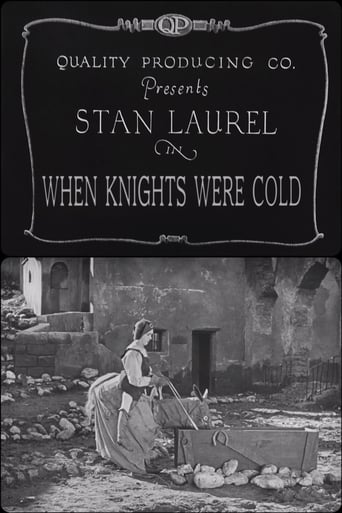
American actor who worked during the silent film era, appearing in only one known film credit in 1923. His brief career coincided with the peak of silent cinema's popularity, though he did not achieve the lasting recognition of many of his contemporaries. His sole documented appearance was in the comedy short 'When Knights Were Cold,' a parody of medieval adventure films that was typical of the genre spoofs popular in the early 1920s. Like many bit players and supporting actors of the silent era, De More's career appears to have been extremely brief, possibly consisting of just this single film appearance. The lack of additional credits suggests he may have been a stage actor who briefly ventured into film, or someone who pursued acting only as a temporary occupation. Unfortunately, the passage of time and the limited documentation of minor players from this period have resulted in very little surviving information about his life or career beyond this single film credit.
The Craft
Milestones
- Appeared in the comedy short 'When Knights Were Cold' (1923)
Best Known For
Must-See Films
Why They Matter
Impact on Culture
Harry De More's impact on cinema culture appears to have been minimal, given his brief career consisting of only one known film appearance. Like many supporting actors from the silent era, he contributed to the early American cinema but did not achieve the lasting recognition of leading performers. His appearance in 'When Knights Were Cold' represents the type of ensemble casting that characterized comedy shorts of the period, where numerous character actors would populate the supporting roles.
Lasting Legacy
Harry De More's legacy is primarily that of a representative example of the thousands of minor actors who populated silent films but whose names have largely been forgotten by history. His single film credit serves as a reminder of the vast number of performers who contributed to early cinema's development without achieving lasting fame. The lack of detailed information about his life and career illustrates how many early film performers have been lost to historical record.
Who They Inspired
Given his extremely brief film career with only one documented appearance, there is no evidence of Harry De More having influenced other actors or directors in any significant way. His contribution appears to have been limited to his performance in a single comedy short, typical of many supporting players of the era who worked anonymously in the background of early cinema productions.
Off Screen
Very little is known about Harry De More's personal life, as was common for minor actors from the silent era who did not achieve lasting fame. His brief film career and the limited documentation of supporting players from this period have resulted in most biographical details being lost to history.
Did You Know?
- Harry De More's entire known film career consists of just one movie from 1923
- His only film credit was in a comedy short parodying medieval adventure films
- Like many silent era supporting actors, most biographical details about him have been lost to time
- His active years covered only a single year according to available film records
- He represents the thousands of anonymous performers who populated early American cinema
Frequently Asked Questions
Who was Harry De More?
Screen credits include only one known film, 'When Knights Were Cold' in 1923. He was a minor supporting actor whose career appears to have been extremely brief, typical of many performers who populated early cinema productions without achieving lasting fame.
What films is Harry De More best known for?
Titles linked here include When Knights Were Cold (1923).
When was Harry De More born and when did he die?
Unfortunately, Harry De More's birth and death dates are not known, as is common for many minor actors from the silent era whose biographical details have been lost to history.
What awards did Harry De More win?
There are no records of Harry De More having won any awards or honors during his brief film career, which was limited to a single appearance in 1923.
What was Harry De More's acting style?
Given that only one film appearance is documented and no detailed reviews or critiques survive, there is insufficient information to determine Harry De More's specific acting style or techniques.
Why is so little known about Harry De More?
The scarcity of information about Harry De More is typical of minor supporting actors from the silent era who did not achieve star status. Early film studios often kept poor records of bit players, and many of these performers have been lost to historical documentation.