Mae Laurel
Actor
Born: June 16, 1890 in Ulverston, Lancashire, England Died: February 23, 1965 Active: 1918-1923 (as Mae Laurel), 1910-1951 (overall career) Birth Name: Arthur Stanley Jefferson
Films
5 films

About Mae Laurel
Mae Laurel was actually a drag persona used by Arthur Stanley Jefferson, better known as Stan Laurel, during the early years of his film career before his partnership with Oliver Hardy. This female alter ego appeared in several comedy shorts between 1918 and 1923, primarily in parody films that mocked popular movies of the era. Laurel created these performances while working for Hal Roach Studios, developing his comedic timing and physical comedy skills that would later make him world-famous. The Mae Laurel character was part of a common tradition in early silent comedy where male performers would play female roles for comedic effect, a practice inherited from vaudeville and music hall traditions. These early films, while not as well-remembered as his later work with Hardy, were crucial in Laurel's development as a comedy performer and helped establish his reputation within the Hal Roach studio system. The character disappeared once Laurel began his partnership with Oliver Hardy in 1926, marking the end of his solo career and the beginning of one of cinema's most beloved comedy duos.
The Craft
On Screen
As Mae Laurel, Stan Laurel employed exaggerated feminine mannerisms and gestures for comedic effect, using high-pitched voices, mincing walks, and theatrical gestures typical of drag performance in early cinema. His style incorporated slapstick elements, physical comedy, and parody, often mimicking popular actresses and film genres of the period. The performances were broad and theatrical, suitable for silent film's need for visual storytelling without dialogue, and showcased Laurel's remarkable facial expressiveness and timing.
Milestones
- Created the Mae Laurel drag persona for Hal Roach Studios
- Appeared in parody shorts including 'Mud and Sand' spoofing Rudolph Valentino
- Developed physical comedy techniques that would later define his style
- Transitioned from solo work to the legendary Laurel and Hardy partnership
- Received Academy Honorary Award in 1961 for contributions to comedy
Best Known For
Iconic Roles
Must-See Films
Accolades
Won
- Academy Honorary Award (1961) - for creative in the field of cinema comedy
- Star on Hollywood Walk of Fame (1960)
Nominated
- No specific nominations for Mae Laurel films, but Laurel and Hardy films received various honors and recognitions
Special Recognition
- Inducted into the Comedy Hall of Fame
- Multiple film retrospectives at international film festivals
- Royal Philatelic Society recognition for Laurel's stamp collection
- Statues and memorials in Ulverston, England
Working Relationships
Worked Often With
Studios
Why They Matter
Impact on Culture
The Mae Laurel persona represents an important aspect of early silent comedy and the evolution of gender performance in cinema. While drag performance was common in vaudeville and early film, Laurel's work as Mae Laurel demonstrates how comedy evolved from stage traditions to film-specific techniques. These early parody films also show how cinema quickly developed self-awareness and began commenting on its own conventions. The character's disappearance once Laurel partnered with Hardy also illustrates how comedy partnerships in early Hollywood often required performers to adapt their individual styles to create a unified comic identity.
Lasting Legacy
While the Mae Laurel films are lesser-known than Laurel and Hardy classics, they represent an important transitional period in comedy film history and showcase Stan Laurel's development as a performer. These early works demonstrate the experimentation and innovation that characterized silent comedy, with performers constantly pushing boundaries and testing different approaches. The films serve as valuable artifacts for understanding how comedy evolved from stage traditions to become a uniquely cinematic art form. Modern scholars and film historians view these works as essential to understanding Laurel's artistic development and the broader context of early 20th century entertainment.
Who They Inspired
Stan Laurel's work, including his early Mae Laurel performances, influenced generations of comedians and comedy teams. His approach to physical comedy, timing, and character development became foundational for later performers. The Laurel and Hardy style, built upon Laurel's early experiments, influenced comedy duos from Abbott and Costello to modern partnerships. His understanding of comedic structure and character relationships continues to be studied by comedy writers and performers today.
Off Screen
Stan Laurel was born Arthur Stanley Jefferson to a theatrical family in England, with his father being an actor and theatre manager. He married four times throughout his life: to Lois Neilson (1926-1934), Virginia Ruth Rogers (1935-1937, 1941-1946), Vera Ivanova Shuvalova (1938-1940), and Ida Kitaeva Raphael (1946-1965). He had one daughter, Lois, with his first wife. Laurel struggled with alcoholism later in life and was deeply affected by Oliver Hardy's death in 1957, reportedly saying he had lost his best friend. Despite his personal challenges, he maintained a devoted fan base and continued to correspond with fans until his death from a heart attack in Santa Monica, California.
Education
Attended school in England and Glasgow, received theatrical training from his father and through early stage work
Family
- Lois Neilson (1926-1934)
- Virginia Ruth Rogers (1935-1937, 1941-1946)
- Vera Ivanova Shuvalova (1938-1940)
- Ida Kitaeva Raphael (1946-1965)
Did You Know?
- Drag persona Stan Laurel used in early silent comedies
- The name 'Mae' was likely chosen as it was a common female name of the era
- All Mae Laurel films were parodies of popular movies of the time
- Drag performance was common in early silent comedy and vaudeville
- These films were produced before Laurel's partnership with Oliver Hardy
- Laurel rarely discussed these early drag performances in later interviews
- The films showcase Laurel's early development of his signature comedy style
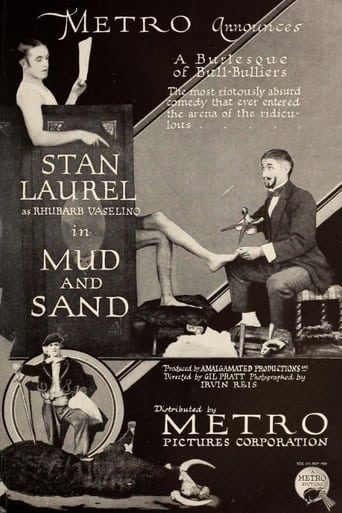
- Mud and Sand was a parody of Rudolph Valentino's Blood and Sand
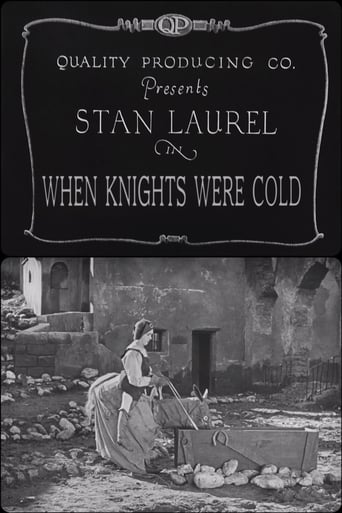
- When Knights Were Cold spoofed the popular historical drama When Knighthood Was in Flower
- These shorts are now considered rare artifacts of early comedy history
In Their Own Words
Well, here's another nice mess you've gotten me into!
I had a dream that I was awake and I woke up and found myself asleep.
You can lead a horse to water, but a pencil must be lead.
A good laugh and a long sleep are the two best cures for anything.
Many people learn to speak, but very few learn when to shut up.
Frequently Asked Questions
Who was Mae Laurel?
Drag persona used by Stan Laurel in early silent comedy films between 1918-1923, before his famous partnership with Oliver Hardy. This female character appeared in parody films that spoofed popular movies of the era.
What films is Mae Laurel best known for?
Titles linked here include Mud and Sand (1922), When Knights Were Cold (1923).
When was Stan Laurel born and when did he die?
Born June 16, 1890; died February 23, 1965.
What awards did Stan Laurel win?
Stan Laurel received an Academy Honorary Award in 1961 for his creative in cinema comedy, and has a star on the Hollywood Walk of Fame. He and Oliver Hardy were also inducted into the Comedy Hall of Fame.
What was Mae Laurel's acting style?
As Mae Laurel, Stan Laurel used exaggerated feminine mannerisms, theatrical gestures, and physical comedy typical of drag performance in early cinema. The style incorporated broad visual comedy suitable for silent films, with mincing walks, high-pitched voices, and parodic elements.
Why did Stan Laurel stop performing as Mae Laurel?
Stan Laurel retired the Mae Laurel persona when he began his partnership with Oliver Hardy in 1926, focusing on developing the iconic Laurel and Hardy comedy duo that would make him world-famous.
What was the purpose of the Mae Laurel films?
The Mae Laurel films were comedy shorts that parodied popular movies of the era, allowing Stan Laurel to develop his comedic skills while providing audiences with humorous spoofs of serious dramatic films. They were part of Hal Roach Studios' comedy production slate.