
Mud and Sand
"Rhubarb Vaselino lives in a small village"
Keys: Space play/pause · ←/→ 10s · F fullscreen · M mute · </> speed
About this film
Rhubarb Vaselino lives in a small village, when he and his friend, Sapo, enter a bullfighting contest, Sapo dies, but Rhubarb kills three bulls and becomes a local hero earning money. Two years later, he is living in Madrid as a national hero , when he becomes involved with Filet.
Cast & crew
More films like this
More Comedy films
View all →







More from Gilbert Pratt
View all →
More about this film
About the production
Release dateOctober 1922
Box officeUnknown (modest commercial success as a comedy short)
ProductionHal Roach Studios
Filmed inLos Angeles, California, Hal Roach Studios
This film was produced as a quick parody cashing in on the enormous success of Rudolph Valentino's 'Blood and Sand' (1922). The production used minimal sets and costumes, with most scenes shot on studio backlots. The bullfighting sequences were created using clever camera tricks and stock footage rather than actual bullfighting, which would have been too expensive and dangerous for a comedy short.
Themes
Parody and satireCelebrity and fameHonor and redemptionThe absurdity of melodramaRags to riches narrative
Themes & topics
Historical background
Silent-era production in 1922 relied on intertitles, live accompaniment, and studio systems that were rapidly consolidating into national industries.
Why this film matters
Mud and Sand remains part of the screen heritage of its era, offering evidence of prevailing genres, production methods, and audience tastes. Later revivals, archive screenings, and digitization have kept such titles accessible to researchers and dedicated viewers long after their first commercial runs.
Making of
The production was rushed to capitalize on the massive popularity of Valentino's bullfighting drama. Gilbert Pratt, a former comedian himself, understood the timing needed for effective parody. The cast worked long hours to complete filming in under a week. Stan Laurel, still developing his screen persona, incorporated elements of his music hall background into the physical comedy. The bullfighting arena was a cleverly constructed set using perspective tricks to appear larger on camera. The film's success led to several more parody productions from Hal Roach Studios, though none achieved quite the same cult status. The production team faced challenges in creating convincing bullfighting sequences without access to real bulls or arenas, resorting to creative editing and camera work.
What critics said
Trade and newspaper reviews from the silent period for Mud and Sand survive only in fragments, making precise reception history difficult to reconstruct. Modern assessment tends to emphasize historical value, craft, and cultural context rather than box-office performance.
Did you know?
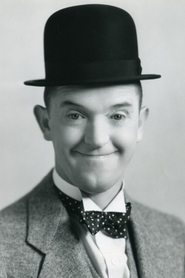
- This was one of Stan Laurel's earliest starring roles before his partnership with Oliver Hardy
- The film is a direct parody of 'Blood and Sand' (1922), starring Rudolph Valentino, which was released the same year
- Wheeler Dryden, who plays Sapo, was Charlie Chaplin's half-brother, though they didn't meet until years later
- The character name 'Rhubarb Vaselino' is a comedic play on Valentino's character 'Juan Gallardo'
- The film was shot in just a few days, typical of comedy shorts of the era
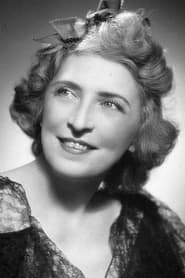
- Leona Anderson, who plays the female lead, later became a notorious 'bad singer' in the 1950s, releasing intentionally terrible recordings
- The bullfighting sequences used miniature models and forced perspective photography to create the illusion of danger
- This film is now in the public domain
- The title 'Mud and Sand' was one of many parody titles common in silent comedy, following the formula of taking a serious film's title and making it ridiculous
- Stan Laurel's character wears an obviously fake mustache as part of the Valentino parody
Visual style
The cinematography, typical of Hal Roach productions of the era, was straightforward and functional, designed primarily to showcase the comedy. The camera work during the bullfighting sequences employed creative angles and perspective tricks to enhance the parody. The use of close-ups on Laurel's expressive face was particularly effective for the comedic moments. The film utilized the standard 1.33:1 aspect ratio of silent films. Lighting was basic but effective, with high-key lighting typical of comedies to maintain a bright, cheerful atmosphere despite the satirical subject matter.
Innovations
While not technically innovative, the film demonstrated clever solutions to production challenges. The creation of convincing bullfighting sequences on a limited budget required ingenuity in editing and set design. The use of forced perspective and miniature effects for the arena scenes was particularly noteworthy for a low-budget comedy. The film also showcased effective use of intertitles to deliver comedic timing and exposition, a crucial element of silent comedy that required careful writing and placement.
Music
As a silent film, 'Mud and Sand' would have been accompanied by live musical performance in theaters. The typical score would have included popular Spanish-themed pieces of the era, parodies of serious dramatic music, and lively ragtime or jazz numbers for comedic sequences. The original cue sheets, if they existed, have not survived. Modern screenings often use compiled period-appropriate music or specially composed scores that enhance the comedic elements while maintaining the Spanish setting.
Famous quotes
I am Rhubarb Vaselino, the greatest matador in all Spain! (said with comic exaggeration)
A bull? But I am a lover, not a fighter! (during a moment of cowardice)
Filet de Sol... she is like the sun - hot and dangerous!
In Spain, the bulls are not the only things that charge!
My honor must be restored... even if it means facing the most terrible bull in Madrid!
Memorable scenes
- The opening sequence where Rhubarb Vaselino attempts to look heroic but keeps tripping over his cape, establishing the parody tone
- The bullfighting training montage where Laurel's character demonstrates increasingly ridiculous and ineffective techniques
- The dramatic confrontation scene where Rhubarb must choose between his lover and his honor, delivered with over-the-top melodramatic gestures
- The final bullfight sequence where the 'deadly' bull is revealed to be surprisingly cooperative in the comedy
What audiences thought
Audiences of 1922 responded enthusiastically to the film, finding the parody of the overly dramatic 'Blood and Sand' refreshing and entertaining. Theater owners reported good attendance, particularly when the film was paired with feature presentations. The film's short length made it perfect for variety programs. Modern audiences who have seen the film (primarily through film society screenings and home video releases) appreciate it as a historical curiosity and an early showcase of Laurel's talents. The film maintains a cult following among silent film enthusiasts and comedy historians.
Film connections
Influenced by
- Blood and Sand (1922)
- The Four Horsemen of the Apocalypse (1921)
- Other Rudolph Valentino films
- Music hall comedy traditions
- Earlier Mack Sennett-style shorts
This film influenced
- Later comedy parodies of major films
- Some of Laurel and Hardy's later parody elements
- The Three Stooges' parody shorts
- Abbott and Costello's movie parodies
Film restoration
The film survives in its complete form and has been preserved by several film archives. Prints exist at the Library of Congress and the UCLA Film & Television Archive. The film has been restored for DVD and Blu-ray releases as part of various Stan Laurel and early comedy collections. While some wear and degradation is visible in existing prints, the film is considered to be in good condition for a production of its age.
Where to watch
- Available on DVD in 'The Stan Laurel Collection' box sets
- Streaming on some classic film subscription services
- Occasionally shown on Turner Classic Movies
- Available through some public domain film websites
- Can be found on YouTube in various quality versions
- Screened at silent film festivals and special events