Leona Anderson
Actor
Born: November 4, 1897 in New York City, New York, USA Died: February 4, 1972 Active: 1915-1959
Films
3 films
About Leona Anderson
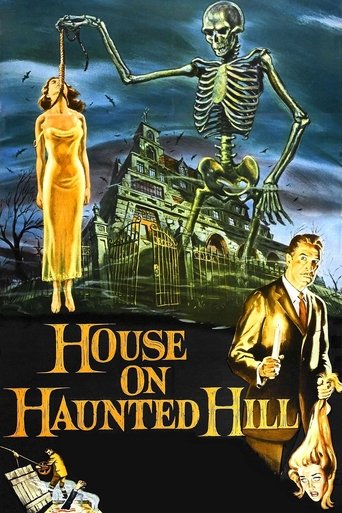
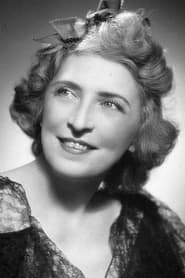
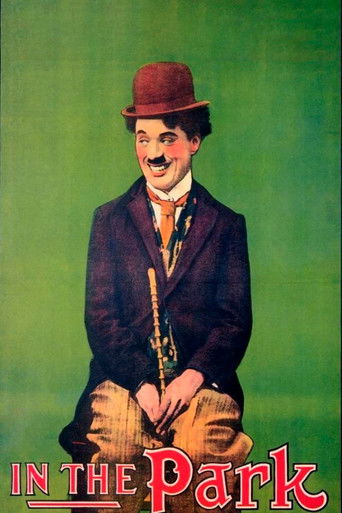
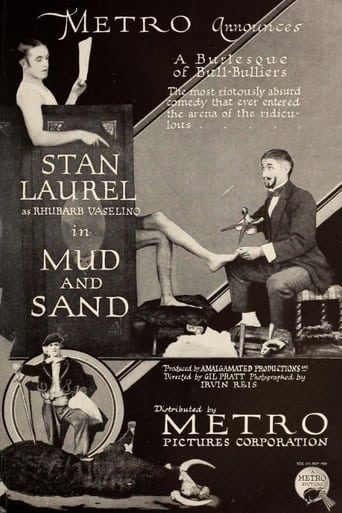
American actress: remarkable from the silent era through the golden age of Hollywood, lasting over four decades. Born in New York City in 1897, she began her career as a child actress in silent comedies, appearing in several Charlie Chaplin films including 'In the Park' (1915). Throughout the 1920s, she continued working in silent films, notably appearing in Stan Laurel's 'Mud and Sand' (1922), a parody of Rudolph Valentino's 'Blood and Sand'. Anderson successfully made the transition to sound films, adapting her acting style to the new medium and taking on character roles throughout the 1930s and 1940s. Her career continued into the 1950s, culminating in her appearance in the cult horror classic 'House on Haunted Hill' (1959). She was married to Robert A. McGowan, a director known for his work on the Our Gang comedies, and their marriage lasted from 1927 until his death in 1955. Anderson's longevity in the film industry and her ability to adapt to changing cinematic styles made her a notable figure in Hollywood history, representing the bridge between silent cinema and modern filmmaking.
The Craft
On Screen
Leona Anderson was known for her versatility as an actress, successfully adapting from the exaggerated physical comedy style required in silent films to the more nuanced, naturalistic performances demanded by sound cinema. In her early career, she demonstrated strong comedic timing and physical presence, working effectively within the constraints of silent film performance. As she transitioned to talkies, she developed a more subtle approach to character acting, often playing supporting roles that required emotional depth and relatable humanity. Her ability to evolve her acting style across different eras of cinema demonstrated her adaptability and professional longevity.
Milestones
- Early career in Charlie Chaplin comedies
- Appeared in Stan Laurel's 'Mud and Sand' (1922)
- Successful transition from silent films to talkies
- 40+ year career in film industry
- Final appearance in 'House on Haunted Hill' (1959)
Best Known For
Iconic Roles
Must-See Films
Working Relationships
Worked Often With
Studios
Why They Matter
Impact on Culture
Leona Anderson's cultural impact lies primarily in her representation of the transitional generation of actors who successfully navigated the dramatic shift from silent cinema to sound films. Her career shows the adaptability required of early film actors, demonstrating how performers could evolve their craft across different technological and artistic eras. By working with comedy legends like Charlie Chaplin and Stan Laurel in her early years, Anderson contributed to the foundation of American film comedy. Her continued presence in Hollywood through the 1950s, including her appearance in the cult classic 'House on Haunted Hill,' shows how veteran character actors provided continuity and experience to the changing film industry. Anderson's longevity in the business, spanning over 40 years, exemplifies the possibilities available to women in early Hollywood who could successfully adapt to changing times.
Lasting Legacy
Leona Anderson's legacy is that of a Hollywood survivor, an actress whose career bridged the gap between the silent era and modern cinema. While she never achieved stardom status, her consistent work over four decades demonstrates the importance of character actors in supporting the film industry's evolution. Her appearances in historically significant films, from early Chaplin comedies to late-era horror classics, make her a connecting thread in American film history. Anderson represents the thousands of working actors who formed the backbone of Hollywood's golden age, contributing their talents to countless productions while adapting to the rapidly changing landscape of cinema. Her story is particularly valuable for understanding how actors navigated the technological and artistic transitions that defined early to mid-20th century filmmaking.
Who They Inspired
As a character actress rather than a star, Leona Anderson's direct influence on other performers was likely limited compared to leading actors of her era. However, her successful adaptation from silent to sound films served as an example for other actors facing similar transitions in the late 1920s and early 1930s. Her longevity in the industry demonstrated the viability of a career based on versatility and reliability rather than celebrity status. Through her work with comedy pioneers like Chaplin and Laurel, she was part of the early development of film comedy techniques that would influence generations of performers. Her continued employment through various eras of Hollywood showed how supporting actors could maintain relevance by adapting their skills to changing industry demands and audience expectations.
Off Screen
Leona Anderson married Robert A. McGowan (also known as Anthony Mack), a film director best known for his work on the Our Gang comedies. Their marriage began in 1927 and lasted until McGowan's death in 1955, spanning nearly three decades. The couple had no children together. Anderson's personal life was relatively private, and she maintained a steady career in Hollywood despite the personal changes and industry transformations occurring throughout her lifetime. Her marriage to a prominent director likely provided her with valuable industry connections and insights that helped sustain her long career.
Family
- Robert A. McGowan (1927-1955)
Did You Know?
- Began her career as a child actress in silent films
- Appeared in multiple Charlie Chaplin comedies in the 1910s
- Worked with Stan Laurel before his famous partnership with Oliver Hardy
- Credits cover 44 years in this catalog, from 1915 to 1959
- Successfully transitioned from silent films to talkies
- Married to 'Our Gang' director Robert A. McGowan for 28 years
- Her final film appearance was in the horror classic 'House on Haunted Hill'
- Represented the bridge between silent era and modern Hollywood cinema
- Never achieved stardom but maintained steady employment as a character actress
- Part of the early Hollywood studio system during its formative years
Frequently Asked Questions
Who was Leona Anderson?
American actress whose active years covered over four decades, from the silent era through the 1950s. She began as a child actress in Charlie Chaplin comedies and successfully transitioned to sound films, working as a character actress throughout Hollywood's golden age.
What films is Leona Anderson best known for?
Titles linked here include In the Park (1915), Mud and Sand (1922).
When was Leona Anderson born and when did she die?
Born November 4, 1897; died February 4, 1972.
What awards did Leona Anderson win?
There are no major awards or nominations recorded for Leona Anderson during her career. As a character actress rather than a star, she was typical of many working actors of her era who provided essential support to films without receiving formal recognition from award organizations.
What was Leona Anderson's acting style?
Anderson was known for her versatility, successfully adapting from the exaggerated physical comedy of silent films to the more naturalistic style required in talkies. Her ability to evolve her performance techniques across different eras of cinema demonstrated remarkable adaptability and professional longevity.
Who was Leona Anderson married to?
Leona Anderson was married to Robert A. McGowan (also known as Anthony Mack), a director best known for his work on the Our Gang comedies. They were married from 1927 until McGowan's death in 1955, spanning 28 years.
How did Leona Anderson transition from silent films to talkies?
Anderson successfully navigated the transition from silent to sound films by adapting her acting style from the exaggerated expressions of silent cinema to the more subtle performances required by talkies. She moved from leading roles in comedies to character parts in sound films, demonstrating the versatility needed to survive in Hollywood's changing landscape.