


In the Park
"Tramp steals girl's handbag but"
Keys: Space play/pause · ←/→ 10s · F fullscreen · M mute · </> speed
About this film
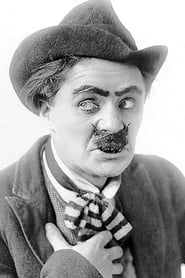
A tramp steals a girl's handbag, but when he tries to pick Charlie's pocket loses his cigarettes and matches. He rescues a hot dog man from a thug, but takes a few with his walking stick. When the thief tries to take some of Charlie's sausages, Charlie gets the handbag. The handbag makes its way from person to person to its owner, who is angry with her boyfriend who didn't protect her in the first place. The boyfriend decides to throw himself in the lake in despair, so Charlie helps him out.
Cast & crew
More films like this
More Comedy films
View all →







More from Charlie Chaplin
View all →


More about this film
About the production
Release dateMarch 15, 1915
Box officeUnknown (Chaplin films of this era were highly profitable for Essanay Studios)
ProductionEssanay Studios
Filmed inLos Angeles, California, San Francisco, California
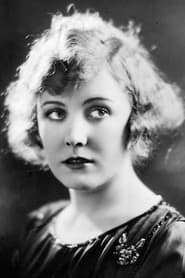
Filmed during Chaplin's productive period at Essanay Studios, this short was part of his rapid output of 1915. The park setting allowed for outdoor filming, which was Chaplin's preference as it provided more natural lighting and space for his physical comedy. The film features one of Chaplin's early collaborations with Edna Purviance, who would become his leading lady for the next eight years. The production was relatively quick, typical of the one-reel format of the era, requiring only a few days of shooting.
Themes
Social class conflictComedy in everyday situationsMoral ambiguityPublic vs. Private spaceGender roles and relationships
Themes & topics
parkpickpockethandbaghot dog vendorsuicide attemptmistaken identityphysical comedysilent filmtramp characterromantic coupletheftrescuechaosmisunderstanding
Historical background
Contemporary records classify In the Park (1915) as 1915 film by charlie chaplin, placing it within the silent era before feature-length dominance.
Why this film matters
In the Park (1915) helps trace genre evolution, performer careers, and the material conditions of silent exhibition.
Making of
The production of 'In the Park' took place during one of Chaplin's most creative periods, shortly after he had developed his Tramp character. Working at Essanay Studios, Chaplin had considerable creative control, writing, directing, and starring in his films. The casting of Edna Purviance marked the beginning of a significant professional and personal relationship; Chaplin discovered her at a cafeteria and thought she had potential despite her lack of acting experience. The outdoor location shooting in parks provided natural lighting that Chaplin preferred over studio lighting of the era. The film's physical comedy required careful choreography, and Chaplin was known for rehearsing his gags extensively. The production team worked quickly, as was typical for the one-reel format, often completing filming in just two to three days. Chaplin's perfectionism was already evident, as he would often shoot multiple takes to get the timing and visual comedy exactly right.
What critics said
Where contemporary reviews survive, In the Park is discussed in terms of audience appeal at release; later criticism often reframes it through archive restoration and festival programming.
Did you know?
- This was one of the first films where Chaplin worked with Edna Purviance, who would become his most frequent leading lady, appearing in 35 of his films.
- The film was shot in both Los Angeles and San Francisco during Chaplin's time with Essanay Studios, before he moved to Mutual.
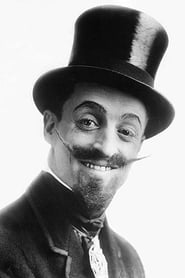
- Leo White, who plays the thief, was a German actor who often played villainous or comic roles in Chaplin's films.
- The hot dog vendor scene showcases Chaplin's signature style of helping others while simultaneously serving his own interests.
- At 16 minutes, this was considered a standard length for comedy shorts of the era, allowing theaters to show multiple films in one program.
- The park setting was a common location for Chaplin's early films, providing opportunities for interactions between different social classes.
- This film was released during World War I, though America had not yet entered the conflict.
- The handbag that passes between characters serves as a classic comedic device, creating chaos and misunderstandings.
- Chaplin's character's assistance in the 'suicide' scene demonstrates his ability to find humor in dark situations.
- The film survives today in good condition and is part of various Chaplin film collections.
Visual style
The cinematography of 'In the Park' reflects the technical standards of 1915 silent filmmaking. Shot on 35mm film, the movie uses static camera positions typical of the era, with the camera positioned to capture the full action without movement. The outdoor location filming provides natural lighting, which was superior to the artificial lighting available in studios at the time. The film employs medium shots and long shots to establish the park setting and capture the physical comedy, with occasional close-ups for emotional emphasis. The composition follows classical principles, keeping the important action centered in the frame. The cinematography serves the comedy by ensuring all gags are clearly visible to the audience. While technically simple by modern standards, the photography effectively supports Chaplin's visual storytelling and physical comedy.
Innovations
While 'In the Park' doesn't feature technical innovations, it demonstrates the refinement of existing film techniques that were still relatively new in 1915. The film shows Chaplin's mastery of continuity editing, maintaining spatial and temporal coherence across shots. The use of outdoor location shooting, while not revolutionary, represented a move away from the studio-bound productions common in earlier cinema. The film's pacing and rhythm demonstrate an understanding of how editing timing affects comedic effect. The physical comedy sequences required precise choreography and timing, showing an advanced understanding of how movement translates to film. The preservation of the film itself represents a technical achievement, as many films from this period have been lost due to the unstable nature of early film stock.
Music
As a silent film, 'In the Park' was originally accompanied by live music in theaters, typically provided by a pianist or small orchestra. The musical score would have been compiled from popular pieces of the era or from standard photoplay music collections specifically created for silent films. The accompaniment would have emphasized the comedic timing of the gags and provided emotional underscoring for the more dramatic moments. Modern releases of the film typically feature newly composed scores or period-appropriate music. Some versions use ragtime pieces popular in 1915, while others feature original compositions that enhance the film's comic elements. The lack of synchronized dialogue makes the visual comedy even more dependent on musical timing and rhythm.
Famous quotes
(As a silent film, dialogue was conveyed through intertitles and visual comedy)
Memorable scenes
- The opening sequence where the Tramp attempts to steal the handbag while avoiding detection
- The hot dog vendor confrontation where Charlie helps while stealing sausages
- The handbag exchange between multiple characters creating comic confusion
- The melodramatic suicide attempt that Charlie comically assists
- The final resolution where all characters converge in the park setting
What audiences thought
Audiences in 1915 adored Chaplin's films, and 'In the Park' was likely well-received by contemporary viewers who couldn't get enough of the Tramp character. Chaplin was becoming a cultural phenomenon, with his image appearing on merchandise and his films drawing huge crowds to theaters. The simple visual humor translated well across cultural and linguistic boundaries, making Chaplin an international star. Modern audiences viewing the film through historical context appreciate its place in cinema history and Chaplin's development as an artist. The film continues to entertain silent film enthusiasts and serves as an accessible introduction to Chaplin's early work for new viewers. Its brevity and straightforward comedy make it particularly suitable for contemporary audiences with shorter attention spans.
Film connections
Influenced by
- French comedies of Max Linder
- Mack Sennett's Keystone comedies
- Music hall traditions
- Commedia dell'arte
- Vaudeville comedy
- Early American slapstick
This film influenced
- Later Chaplin shorts at Mutual
- The Tramp's evolution in feature films
- Physical comedy in silent era
- Buster Keaton's short films
- Harold Lloyd's comedy shorts
- Modern physical comedy films
Film restoration
The film is preserved in various film archives including the Library of Congress and the Cineteca di Bologna. It has been restored and is available in several Chaplin collections. The film survives in good condition considering its age, though some wear is visible in existing prints. Multiple versions exist with different musical scores for modern viewing.
Where to watch
- The Criterion Channel
- YouTube (public domain versions)
- Kino Lorber DVD collections
- The Chaplin Revue DVD box set
- Various streaming services specializing in classic cinema
- Film archives and museum collections