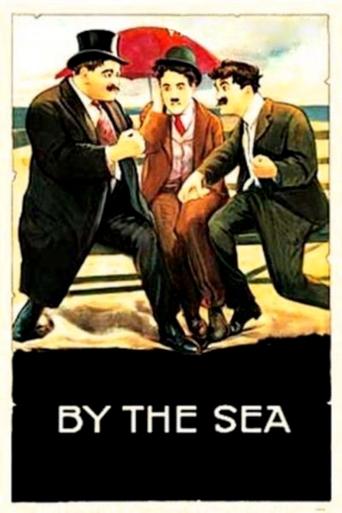
Films
5 films
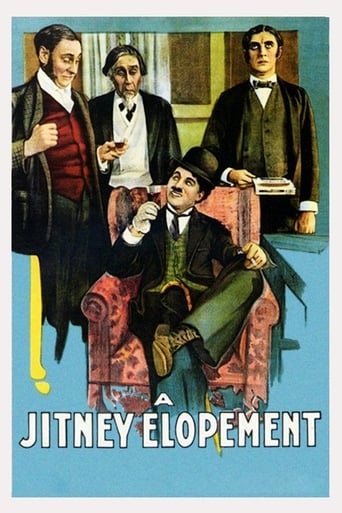
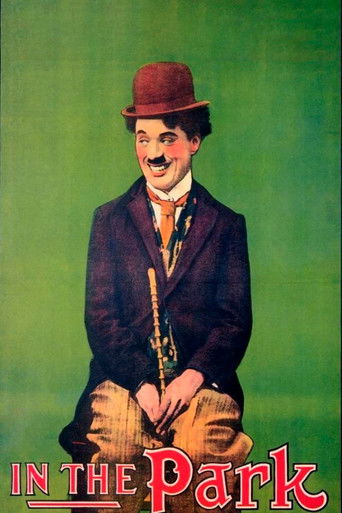
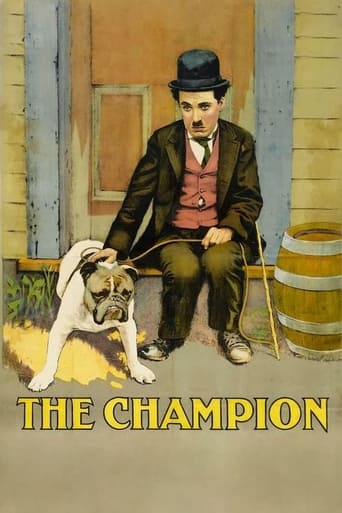
About Ernest Van Pelt
American actor who worked during the silent film era, primarily known for his collaborations with Charlie Chaplin at Essanay Studios in 1915. His entire known film career consists of five short comedies made during a single year, all featuring Chaplin in his Tramp character. Van Pelt typically played supporting roles, often as antagonists or authority figures who would clash with Chaplin's character. His appearances in these films, though brief, placed him in some of the most significant early works of one of cinema's greatest comedians. Despite his limited screen time and brief career, Van Pelt contributed to the development of early comedy film techniques during a crucial period in cinematic history. His work represents the type of character actors who were essential to the studio system of the 1910s, providing the necessary supporting framework around star performers. Van Pelt's career appears to have ended as quickly as it began, with no known film credits beyond his 1915 collaborations with Chaplin.
The Craft
On Screen
Van Pelt's acting style was typical of the period, utilizing broad physical gestures and exaggerated expressions suitable for silent film comedy. As a supporting player, he often served as a foil to Chaplin's character, providing the conflict or obstacle that drove the comedic situations. His performances relied heavily on visual storytelling techniques, as was standard in the silent era before dialogue became commonplace.
Milestones
- Appeared in five Charlie Chaplin films during 1915
- Worked at Essanay Studios during Chaplin's peak creative period
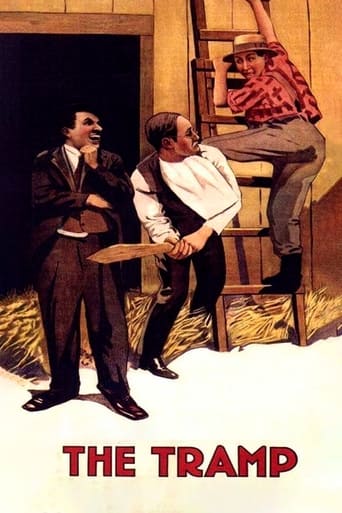
- Contributed to early silent comedy classics including 'The Tramp'
Best Known For
Iconic Roles
Must-See Films
Working Relationships
Worked Often With
Studios
Why They Matter
Impact on Culture
Ernest Van Pelt's cultural impact, while limited by his brief career, is tied to his participation in some of the most influential early comedy films ever made. His work in Chaplin's 1915 productions places him within the foundation of cinematic comedy, contributing to films that would influence generations of comedians and filmmakers. These films were instrumental in establishing the visual language of comedy and the character-driven storytelling that would become standard in cinema.
Lasting Legacy
Van Pelt's legacy exists primarily through his appearances in historically significant Chaplin films that continue to be studied and celebrated by film historians and enthusiasts. As a representative of the countless supporting actors who populated early Hollywood productions, he exemplifies the collaborative nature of filmmaking during cinema's formative years. His work, though not widely recognized individually, is preserved within the enduring popularity of Chaplin's early masterpieces.
Who They Inspired
As a supporting actor with a very brief career, Ernest Van Pelt's direct influence on other performers or filmmakers is not documented. However, his contributions to the technical and artistic development of early comedy film, through his work with Chaplin, indirectly influenced the evolution of cinematic comedy as an art form.
Off Screen
Very little is known about Ernest Van Pelt's personal life, as was common for many supporting actors of the silent era who did not achieve star status. His brief film career and the passage of time have left few records of his life outside his 1915 film appearances.
Did You Know?
- All of Ernest Van Pelt's known film appearances were made in a single year - 1915
- He worked exclusively with Charlie Chaplin during his brief film career
- His filmography consists entirely of short comedies produced at Essanay Studios
- Van Pelt appeared in 'The Tramp' (1915), one of Chaplin's most early films
- Like many supporting actors of the silent era, little biographical information about him survives
- His active years covered the exact period when Chaplin was developing his famous Tramp character
- All five of his known films are considered classics of early cinema
- He represents the typical journeyman actor who populated early Hollywood productions
Frequently Asked Questions
Who was Ernest Van Pelt?
American silent film with credits in this catalog. He was a supporting player who appeared in some of Chaplin's most significant early comedies, though his career lasted only one year.
What films is Ernest Van Pelt best known for?
Titles linked here include The Tramp (1915), The Champion (1915).
When was Ernest Van Pelt born and when did he die?
Ernest Van Pelt's birth and death dates are not documented in available historical records, which was common for many supporting actors of the silent era who did not achieve star status.
What awards did Ernest Van Pelt win?
Ernest Van Pelt did not receive any known awards or nominations during his brief film career in 1915. The major film awards, including the Academy Awards, were not established until several years after his acting period had ended.
What was Ernest Van Pelt's acting style?
Van Pelt's acting style was typical of the silent film era, featuring broad physical gestures and exaggerated expressions. He primarily served as a supporting player and antagonist to Chaplin's character, using visual comedy techniques that were standard for the period.
Why was Ernest Van Pelt's career so short?
The exact reason for Van Pelt's brief career is unknown, but it was not uncommon for supporting actors in early cinema to have very short careers. Many appeared in only a handful of films before leaving the industry, as the film business was still developing and job security was limited for non-star performers.