



The Tramp
"The Little Fellow finds the girl of his dreams and work on a family farm"
Keys: Space play/pause · ←/→ 10s · F fullscreen · M mute · </> speed
About this film
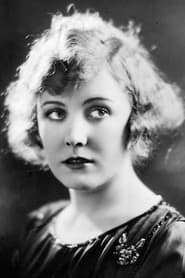
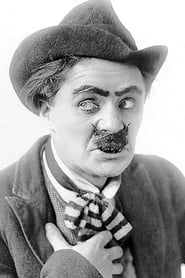
The character of The Tramp had appeared in Chaplin's previous films, but with the production he is given more emotional depth. The film also stars Ernest Van Pelt and Edna Purviance as a farmer and his daughter.
Cast & crew
More Comedy films
View all →






More from Charlie Chaplin
View all →


More about this film
About the production
Release dateApril 11, 1915
Box officeExact figures unavailable, but the film was enormously successful and contributed significantly to Essanay's profits for 1915
ProductionEssanay Film Manufacturing Company
Filmed inEssanay Studios, Niles, California (now Fremont, California), Various rural locations in the Niles Canyon area
This was Chaplin's sixth film for Essanay Studios and marked a significant evolution in his artistic approach. The film was shot in just a few days, typical of the rapid production schedule of the era. Chaplin insisted on multiple takes for emotional scenes, which was unusual for the time. The farm setting was constructed on the Essanay studio lot, with some exterior shots filmed on location. The film's success led Essanay to re-release it multiple times in subsequent years, often with new intertitles to capitalize on Chaplin's growing fame.
Themes
The search for belonging and acceptanceDignity in the face of adversityThe conflict between freedom and settled lifeClass differences and social hierarchyThe bittersweet nature of temporary happiness
Themes & topics
farmlove trianglecriminalsheroismunrequited lovewanderingsocial classsacrificebittersweet endingcoming to terms
Historical background
The Tramp (1915) circulated in the silent era. The character of The Tramp had appeared in Chaplin's previous films, but with the production he is given more emotional depth. Contemporary trade papers and later preservation notes document its place among nickelodeon and cinema-club programs.
Why this film matters
The Tramp remains accessible to researchers and viewers as a screen title in museum, archive, and streaming collections. Programmers cite it when tracing regional production history and surviving early prints.
Making of
The production of 'The Tramp' marked a pivotal moment in Chaplin's artistic development. While working at Essanay Studios, Chaplin had begun to chafe under the studio's rapid production schedule and wanted to create more substantial films. This film was his first major attempt to blend comedy with genuine emotion, a combination that would become his trademark. Chaplin reportedly spent considerable time developing the script, wanting to ensure the emotional moments landed properly. The casting of Edna Purviance was particularly significant - Chaplin discovered her at a cafe in San Francisco and was immediately struck by her natural screen presence. Their on-screen chemistry was so authentic that they became regular collaborators. The famous final scene where the Tramp walks away was Chaplin's deliberate attempt to create something more meaningful than typical comedy fare. During filming, Chaplin insisted on multiple takes for the emotional scenes, much to the frustration of the studio heads who wanted to maintain their rapid production schedule. The farm setting was carefully constructed to look authentic, with Chaplin personally overseeing many details to ensure the right atmosphere for his story.
What critics said
Day-one reviews for The Tramp are sparse in digitized press archives; later criticism treats it as a reference point for 1915 cinema programming and preservation.
Did you know?
- This was the first film where Chaplin fully developed the emotional depth of the Tramp character, moving beyond pure slapstick to include pathos and sentiment
- Edna Purviance made her film debut in this movie and went on to appear in over 30 Chaplin films, becoming his most frequent leading lady
- The film was so successful that it established the template for Chaplin's 'little fellow' character that would make him internationally famous
- Chaplin was only 25 years old when he wrote, directed, and starred in this groundbreaking film
- The ending where the Tramp walks away contentedly was revolutionary for its time - most comedies of the era ended with the hero getting the girl
- The original negative was lost in a 1920s fire, but the film survived through various distribution prints
- The film was shot in just 6 days, an incredibly short timeframe even for 1915 standards
- Chaplin received $1,250 per week from Essanay at this time, making him one of the highest-paid people in the world
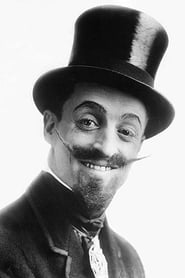
- The three criminals in the film were played by regular Chaplin stock actors who appeared in many of his Essanay films
- The film's success helped establish the feature-length comedy-drama as a viable commercial format
Visual style
The cinematography by Harry Ensign and Roland Totheroh employed the relatively static camera techniques typical of 1915, but with careful attention to composition that enhanced the storytelling. The farm scenes were shot with a sense of openness that contrasted with the more confined spaces where the Tramp feels out of place. The famous final long shot of the Tramp walking away down the road was particularly innovative for its time, using the full frame to emphasize the character's isolation and independence. The filmmakers used depth of field effectively in the farm scenes to create a sense of space and belonging, while tighter framing was used during emotional moments to draw viewers into the characters' feelings. The natural lighting in the exterior scenes gave the film a realistic quality that enhanced its emotional impact.
Innovations
While 'The Tramp' didn't introduce major technical innovations, it was significant for its sophisticated use of existing techniques to tell a more complex story. Chaplin's use of longer takes and more deliberate pacing was unusual for comedies of the era, which typically relied on rapid-fire gags. The film's seamless blending of slapstick comedy with genuine emotional moments required careful timing and performance control that was ahead of its time. The editing by Chaplin and his team created a narrative flow that felt more natural than the disjointed sequences common in earlier comedies. The film also demonstrated an advanced understanding of visual storytelling, using composition and movement to convey character and emotion without relying on intertitles.
Music
As a silent film, 'The Tramp' had no original synchronized soundtrack. However, it would have been accompanied by live music in theaters, typically ranging from a solo piano in smaller venues to full orchestras in premier houses. The musical selections would have included popular songs of the era, classical pieces, and specially composed cues. Modern restorations have featured newly composed scores by various artists, including Carl Davis and Timothy Brock, who have created orchestral scores that capture the film's blend of comedy and pathos. The most common musical approach has been to use light, playful themes for the Tramp's antics and more romantic, melancholic pieces for the emotional scenes, particularly the famous ending sequence.
What audiences thought
The film was an immediate and enormous success with audiences worldwide. Movie theaters reported record attendance, and the film played for extended runs in major cities. Audiences were particularly moved by the emotional depth of the story, with many reports of viewers crying during the final scene. The film's success helped cement Chaplin's status as the biggest star in the world, and demand for his films grew exponentially after its release. In letters to movie magazines of the time, viewers expressed how deeply the film affected them, with many writing about how they identified with the Tramp's struggle to find his place in the world. The film's international success was remarkable, playing to enthusiastic audiences across Europe, Asia, and Latin America, despite the ongoing World War. The character's universal appeal transcended cultural and language barriers, making Chaplin the first truly global movie star.
Film connections
Influenced by
- Chaplin's earlier Keystone shorts
- Mack Sennett's slapstick style
- French comedy traditions
- Music hall and vaudeville performance styles
- Charles Dickens' literary treatment of social outcasts
This film influenced
- City Lights
- Modern Times
- The Kid
- Limelight
- Buster Keaton's
- The General
- Jacques Tati's
- Monsieur Hulot's Holiday
- Federico Fellini's
- La Strada
- Jim Jarmusch's
- Down by Law
- similarFilms
Where to watch
- Internet Archive: https://archive.org/details/THETRAMP1915CharlieChaplinEdnaPurviance
- Wikimedia Commons: https://commons.wikimedia.org/wiki/File:The%20Tramp%20(Charlie%20Chaplin%2C%201915).webm