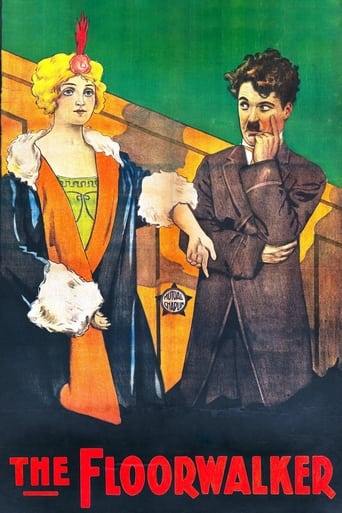

Lloyd Bacon
Actor & Director
Born: December 4, 1889 in San Jose, California, USA Died: January 15, 1955 Active: 1915-1955 Birth Name: Lloyd Francis Bacon
Films
17 films
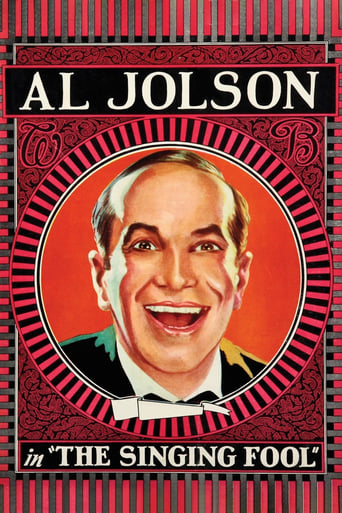
The Singing Fool
1928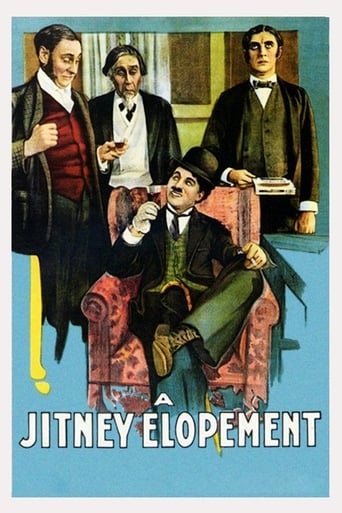
A Jitney Elopement
1915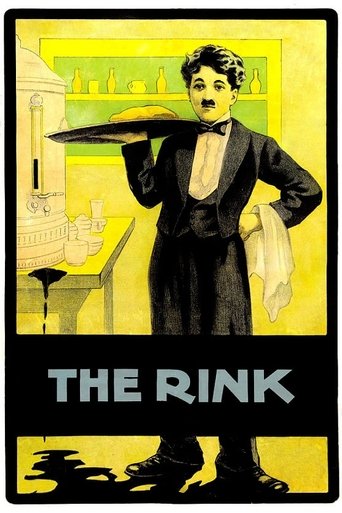
The Rink
1916
The Vagabond
1916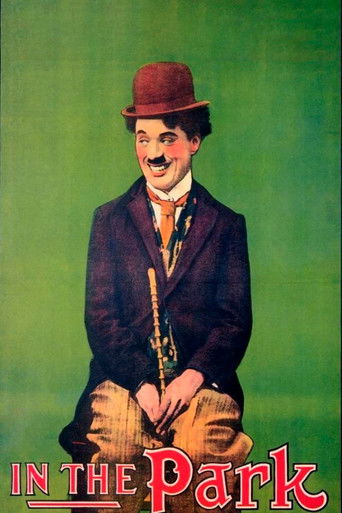
In the Park
1915
Easy Street
1917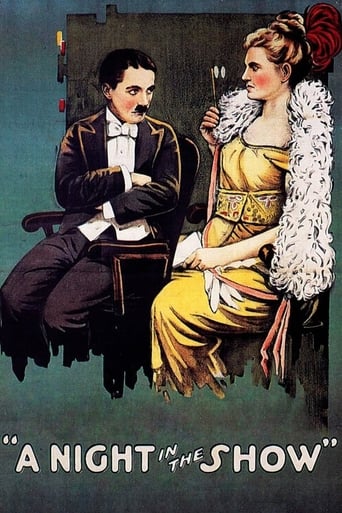
A Night in the Show
1915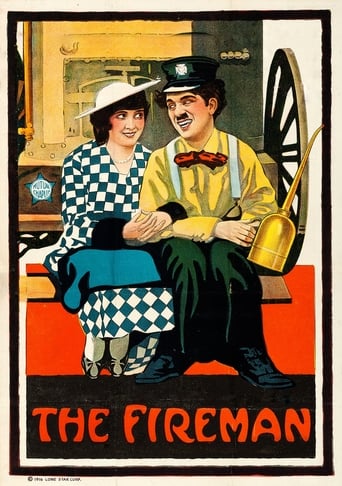
The Fireman
1916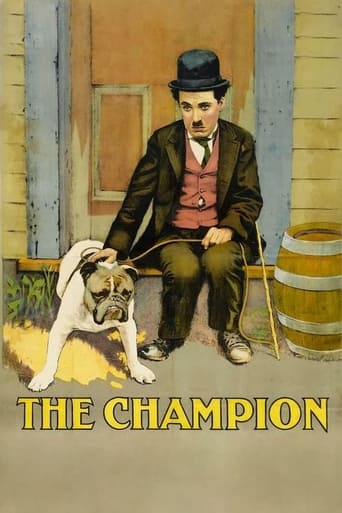
The Champion
1915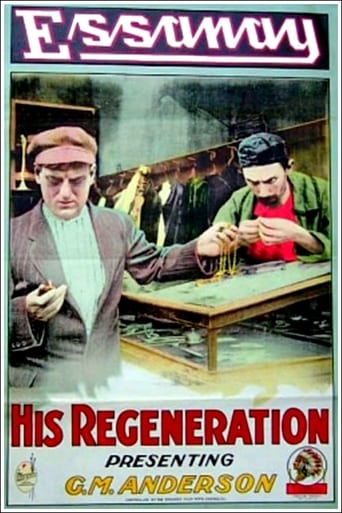
His Regeneration
1915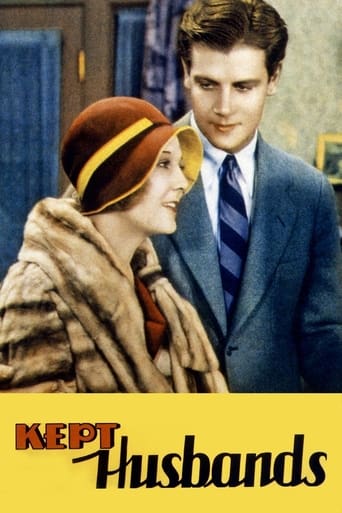
Kept Husbands
1931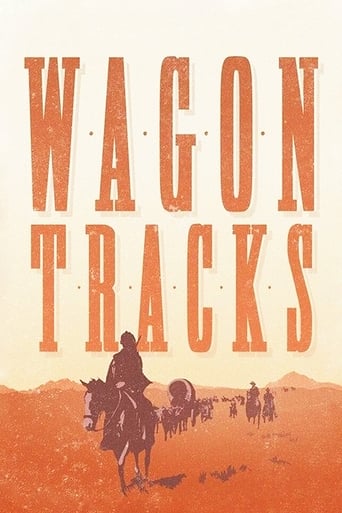
Wagon Tracks
1919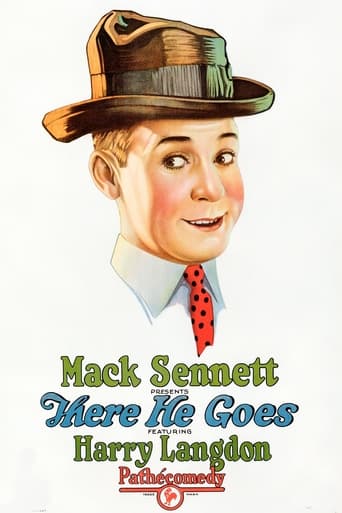
There He Goes
1925
The Tramp
1915
Say It with Songs
1929
A Notorious Affair
1930About Lloyd Bacon
Lloyd Francis Bacon — prominent American film director and actor who made significant contributions during Hollywood's transition from silent films to talkies. Beginning his career as an actor, he appeared in numerous Charlie Chaplin comedies in the mid-1910s, including 'The Champion' and 'A Night in the Show.' He transitioned to directing in the late 1920s, helming early sound films like 'The Singing Fool' (1928) starring Al Jolson, which became a massive commercial success. Bacon's directorial career flourished at Warner Bros. During the 1930s and 1940s, where he became known for his versatility across multiple genres, particularly musicals, comedies, and crime dramas. He directed some of the most films of the Golden Age, including '42nd Street' (1933), 'Footlight Parade' (1933), and 'The Irish in Us' (1935). His collaboration with stars like James Cagney, Busby Berkeley, and Dick Powell helped define the studio system era. Bacon continued directing through the 1940s and early 1950s, completing over 100 films before his death in 1955.
The Craft
On Screen
As an actor in silent comedies, Bacon specialized in supporting roles and comic relief, often playing the heavy or antagonist in Charlie Chaplin's films. His physical comedy skills and expressive face made him well-suited for the visual storytelling of the silent era. Though his acting career was relatively brief, he demonstrated a natural comedic timing that later informed his directorial approach to comedy films.
Behind the Camera
Bacon was known for his efficient, workmanlike directing style that emphasized entertainment value and commercial appeal. He excelled at musicals, creating energetic sequences that showcased the talents of performers like James Cagney and Dick Powell. His direction was characterized by brisk pacing, clear storytelling, and the ability to blend comedy, drama, and musical elements seamlessly. While not as visually distinctive as some contemporaries, his technical competence and reliability made him one of Warner Bros.' most valuable directors.
Milestones
- Transitioned from actor to director during the sound revolution
- Directed 'The Singing Fool' (1928) which was
- Helmed the groundbreaking musical '42nd Street' (1933)
- Collaborated with Busby Berkeley on innovative musical numbers
- Directed James Cagney in multiple successful films
- Completed over 100 feature films as director
- Helped establish Warner Bros. As a major studio during the Golden Age
Best Known For
Iconic Roles
Must-See Films
Accolades
Won
- Academy Award for Best Director nomination for '42nd Street' (1933)
Nominated
- Academy Award nomination for Best Director - '42nd Street' (1933)
Special Recognition
- Hollywood Walk of Fame star (located at 7083 Hollywood Blvd)
Working Relationships
Worked Often With
Studios
Why They Matter
Impact on Culture
Lloyd Bacon played a crucial role in shaping Hollywood's Golden Age, particularly during the transition to sound and the establishment of the studio system. His early sound films like 'The Singing Fool' helped demonstrate the commercial potential of talkies, while his musicals like '42nd Street' and 'Footlight Parade' defined the genre and influenced countless subsequent films. His work with Warner Bros. Helped establish the studio's reputation for gritty, fast-paced entertainment that appealed to Depression-era audiences. Bacon's films often reflected and shaped American cultural attitudes, from the optimism of his musicals to the social commentary in his crime dramas.
Lasting Legacy
Lloyd Bacon's legacy endures through his influential body of work that helped define Hollywood's Golden Age. Though not as widely remembered as some of his contemporaries, his films continue to be studied and appreciated for their entertainment value and historical significance. His musicals, particularly those choreographed by Busby Berkeley, remain landmarks of American cinema, showcasing the technical innovation and artistic ambition of the era. Bacon's career represents the archetype of the reliable studio director who could deliver quality entertainment across multiple genres, a model that would influence Hollywood production for decades.
Who They Inspired
Bacon influenced subsequent generations of directors through his efficient, commercially successful approach to filmmaking. His ability to work quickly across genres while maintaining quality set a standard for studio directors. His musicals, particularly their integration of story and spectacle, influenced the development of the genre throughout the 1930s and beyond. Directors like Vincente Minnelli and Stanley Donen built upon the foundation laid by Bacon and his collaborators. His work with actors like James Cagney helped establish screen personas that would define American cinema for decades.
Off Screen
Bacon was married three times throughout his life. His first marriage was to actress Bessie Love in 1922, though it ended in divorce. He later married Lucille Webster in 1930, with whom he remained until her death. His third marriage was to Alice D. Miller in 1954, just a year before his own death. Bacon was known as a hardworking, reliable director who maintained good relationships with studio executives and actors alike. He suffered from heart problems in his later years and died of a heart attack at age 65.
Education
Attended Stanford University but did not graduate; left to pursue career in entertainment
Family
- Bessie Love (1922-1925)
- Lucille Webster (1930-1953)
- Alice D. Miller (1954-1955)
Did You Know?
- Appeared in over 40 films as an actor before transitioning to directing
- Was one of the few directors who successfully made the transition from silent films to talkies
- Directed "The Singing Fool" which was the second-highest grossing film of 1928
- Worked as an uncredited replacement director on 'Yankee Doodle Dandy' (1942)
- Was known for completing films on time and under budget
- His father was actor Frank Bacon, star of the long-running Broadway hit 'Lightnin''
- Served in the U.S. Army during World War I
- Was a close friend of fellow director Raoul Walsh
- Often worked with the same crew members across multiple films
- His films frequently featured themes of upward mobility and American success stories
In Their Own Words
I'm not an artist, I'm a craftsman. I make pictures that people want to see.
The secret to directing is knowing what you want and getting it quickly.
In this business, you're only as good as your last picture.
I learned more watching Chaplin work for a year than I could have in any film school.
Frequently Asked Questions
Who was Lloyd Bacon?
American on YTB.my. He began as an actor in Charlie Chaplin comedies and transitioned to directing in the late 1920s, becoming one of Warner Bros.' most reliable directors, known for musicals, comedies, and crime dramas.
What films is Lloyd Bacon best known for?
Titles linked here include 42nd Street (1933), Footlight Parade (1933).
When was Lloyd Bacon born and when did he die?
Born December 4, 1889; died January 15, 1955.
What awards did Lloyd Bacon win?
Bacon received an Academy Award nomination for Best Director for '42nd Street' (1933). He was also honored with a star on the Hollywood Walk of Fame for his contributions to American cinema.
What was Lloyd Bacon's directing style?
Bacon was known for his efficient, workmanlike directing style emphasizing entertainment value and commercial appeal. He excelled at creating energetic musical sequences, maintained brisk pacing, and could seamlessly blend comedy, drama, and musical elements. His approach was technically competent and reliable, making him valuable to the studio system.
Did Lloyd Bacon act in films?
Yes, Bacon began his career as an actor, appearing in numerous silent films, particularly in Charlie Chaplin comedies like 'The Champion' (1915), 'In the Park' (1915), and 'A Night in the Show' (1915). He transitioned to directing in the late 1920s and focused primarily on that role thereafter.
How many films did Lloyd Bacon direct?
Lloyd Bacon directed over 100 feature films during his career, making him. His directing active years covered from the late 1920s until the early 1950s.