


The Rink
"Chaplin trades apron for roller skates"
Keys: Space play/pause · ←/→ 10s · F fullscreen · M mute · </> speed
About this film
After waiting tables in a busy restaurant, a waiter spends his lunch break on a roller rink where skating turns to slapstick chaos in this Charlie Chaplin short.
Cast & crew
More films like this
More Comedy films
View all →







More from Charlie Chaplin
View all →


More about this film
About the production
Release dateDecember 4, 1916
BudgetApproximately $10,000-$15,000 (typical for Mutual Film Corporation productions)
Box officeHighly profitable for Mutual Film Corporation, though exact figures were not publicly recorded for individual shorts
ProductionMutual Film Corporation
Filmed inMutual Film Studio, Los Angeles, California
The roller skating sequences required Chaplin to perform numerous dangerous stunts, including complex choreography on wooden roller skates. The restaurant scenes were filmed in a single set that was designed to allow for maximum physical comedy opportunities. Chaplin reportedly rehearsed the skating sequences for weeks to perfect the timing and ensure his safety during the more dangerous falls and collisions.
Themes
Class differences and social mobilityThe pursuit of romancePhysical comedy as social commentaryThe chaos of modern urban lifePerseverance in the face of failure
Themes & topics
Historical background
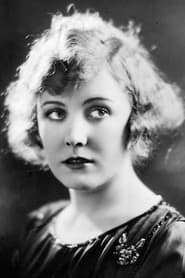
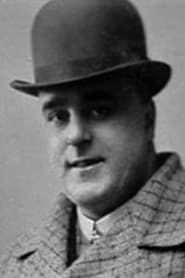
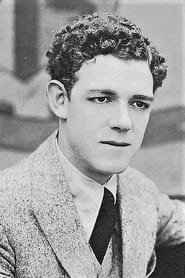
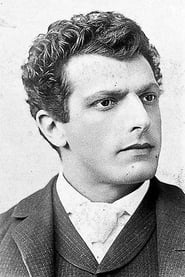
Released in 1916, The Rink arrived during the silent era, when audiences were hungry for new screen experiences. The film co-starred Edna Purviance, Eric Campbell, Henry Bergman, and Albert Austin, and is best known for showcasing Chaplin's roller skating skills. Chaplin's obvious skill on roller skates surprised many of his fans, but Charlie was an experienced performer.
Why this film matters
The Rink remains a reference point for scholars tracing how silent era filmmaking handled plot, performance, and audience expectation. The Rink, a silent film from 1916, is Charlie Chaplin's eighth film for Mutual Films.
Making of
The production of 'The Rink' exemplified Chaplin's meticulous approach to comedy filmmaking. He spent weeks planning and rehearsing the roller skating sequences, often working late into the night perfecting the timing of his falls and gags. The restaurant set was designed with movable furniture and props that could be easily knocked over or manipulated for comic effect. Chaplin insisted on performing all his own stunts, despite the studio's concerns about potential injuries. The roller skates used in the film were custom-made with extra padding to protect Chaplin during the numerous falls. The filming of the chase sequence required blocking off several streets around the studio, and Chaplin worked closely with his cinematographer to ensure the camera could keep pace with the action while maintaining visual clarity. The film's score was composed by Chaplin himself, who would often play piano on set to help actors establish the rhythm and timing of their movements.
What critics said
Modern silent- and classic-film writers often revisit The Rink for its place in the silent era lineup rather than for blockbuster status.
Did you know?
- This was the eighth of twelve films Chaplin made for Mutual Film Corporation during his most productive and creative period
- The roller skating rink was built specifically for this film on the Mutual studio lot
- Chaplin performed all his own skating stunts, including several falls that could have resulted in serious injury
- The restaurant sequence features an early example of what would become known as the 'Chaplin walk' - his distinctive rolling gait
- Edna Purviance, who plays the female lead, was Chaplin's regular leading lady during this period and appeared in over 30 of his films
- The film was one of Chaplin's most popular shorts during the Mutual period and was still being shown in theaters years after its release
- James T. Kelley, who plays the restaurant owner, also appeared in several other Chaplin films, often as a comic authority figure
- The roller skating sequences were filmed using a moving camera, which was innovative for the time and allowed for dynamic tracking shots
- Chaplin later incorporated elements of the roller skating routine into his feature film 'The Circus' (1928)
- The film's success led to a surge in roller skating's popularity across America in 1917
Visual style
The cinematography in 'The Rink' was innovative for its time, featuring dynamic camera movements that enhanced the comedy. The restaurant scenes used stationary shots that emphasized the chaos of the space, while the roller skating sequences employed tracking shots that followed Chaplin's movements across the rink. The use of wide angles in the skating rink allowed for the inclusion of multiple gags happening simultaneously, creating a rich visual field of comedy. The cinematographer worked closely with Chaplin to ensure that falls and stunts were captured from the most effective angles. The lighting in the rink scenes was carefully designed to highlight the reflective surfaces of the floor and skates, adding visual interest to the sequences. The chase scene at the film's conclusion used location shooting with natural lighting, giving it a more realistic feel than the studio-bound earlier scenes.
Innovations
'The Rink' showcased several technical innovations for its time, particularly in the filming of the roller skating sequences. The use of a moving camera on tracks to follow the action was relatively new and allowed for more dynamic coverage of the skating routines. The film employed complex editing techniques, including cross-cutting between different areas of the rink to build comic tension. The stunt work in the film pushed the boundaries of what was considered safe in filmmaking, with Chaplin performing falls and collisions that required precise timing and coordination. The restaurant sequences featured elaborate prop work and set design that allowed for maximum comic potential. The film's pacing and rhythm demonstrated a sophisticated understanding of comedic timing that influenced future comedy filmmakers. The successful integration of location shooting with studio work showed the growing sophistication of film production techniques.
Music
As a silent film, 'The Rink' was originally accompanied by live musical performance in theaters. Chaplin himself composed the musical themes for the film, which were typically performed by a small orchestra or pianist. The score featured lively, upbeat music during the skating sequences and more romantic themes during the scenes with Edna. The restaurant scenes were accompanied by frantic, comedic music that emphasized the chaos of the action. Modern restorations of the film include newly recorded scores based on Chaplin's original musical ideas. The rhythmic quality of the film's action was designed to work with musical accompaniment, with Chaplin often rehearsing scenes to musical timing. The absence of dialogue heightened the importance of visual storytelling and musical interpretation of the emotional content.
Famous quotes
Intertitle: 'Charlie's lunch hour - He decides to go roller skating'
Intertitle: 'A new way to serve dinner'
Intertitle: 'The roller skating rink - Where all the fashionable people go'
Memorable scenes
- The chaotic restaurant sequence where Charlie serves customers with disastrous results, including spilling soup on a patron and getting entangled in tablecloths
- The spectacular roller skating sequence where Charlie attempts increasingly dangerous maneuvers, culminating in him skating on his hands
- The final chase scene through the skating rink and surrounding streets where Charlie pursues Edna and her suitor with increasingly frantic energy
What audiences thought
The Rink was enormously popular with audiences upon its release, playing to packed theaters across America and internationally. Audience reaction was consistently enthusiastic, with reports of laughter so loud it sometimes drowned out the musical accompaniment. The film's success led to increased demand for Chaplin's work and helped cement his status as the world's biggest movie star. Contemporary audience members particularly enjoyed the relatable setting of the restaurant and the spectacular nature of the roller skating sequences. The film's romantic subplot resonated with viewers, adding emotional depth to the physical comedy. Letters from fans to Chaplin frequently mentioned 'The Rink' as one of their favorite of his films. The enduring popularity of the film is evidenced by its continued inclusion in Chaplin retrospectives and classic film screenings more than a century after its release.
Film connections
Influenced by
- Chaplin's earlier Keystone comedies
- French and Italian slapstick traditions
- Music hall and vaudeville performance styles
- Contemporary sports and leisure activities
This film influenced
- The Circus (1928)
- Modern Times (1936)
- Buster Keaton's The Cameraman (1928)
- Harold Lloyd's The Freshman (1925)
- Jackie Chan's Rollercoaster (1977)
Film restoration
The film has been well-preserved through the Chaplin archives and restored versions are available. The original negatives are maintained by the Chaplin estate and the film has been digitally remastered for modern viewing. The film is considered to be in excellent condition for its age, with clear image quality throughout.
Where to watch
- The Criterion Channel
- Kino Lorber DVD collections
- The Chaplin Collection DVD set
- Various public domain streaming platforms
- Film archives and museum screenings
- The British Film Institute's streaming service