
Leota Bryan
Actor
Born: January 1, 1893 in Ohio, United States Died: December 1, 1975 Active: 1916-1917
Films
3 films
About Leota Bryan
Silent film actress who worked primarily during the mid-1910s, appearing in several Charlie Chaplin productions during his highly regarded Mutual Film Corporation period. She was part of Chaplin's stock company of supporting players who brought his comedic visions to life, appearing in three of his most celebrated short films from 1916-1917. Bryan typically played minor roles and background characters, contributing to the ensemble atmosphere that characterized Chaplin's Mutual comedies. Her brief film only about a year, with her known work consisting entirely of Chaplin productions where she often appeared alongside regulars like Edna Purviance, Henry Bergman, and Albert Austin. Like many supporting players from the silent era, her contributions were essential to the films' success even though she never achieved star status. After her brief stint in films, she appears to have left the entertainment industry entirely, as no further film credits have been documented.
The Craft
On Screen
As a supporting player in Chaplin's films, Leota Bryan employed the typical acting style of the silent era - expressive gestures and facial features to convey emotion and comedy. Her performances were likely characterized by the broad physical comedy and exaggerated expressions required for silent film, though her minor roles meant she had limited opportunity to showcase individual style.
Milestones
- Appeared in Charlie Chaplin's Mutual Film Corporation productions
- Worked during Chaplin's most critically acclaimed period of short comedies
- Part of the ensemble cast that helped create classic silent comedy masterpieces
Best Known For
Iconic Roles
Must-See Films
Working Relationships
Worked Often With
Studios
Why They Matter
Impact on Culture
Leota Bryan's cultural impact is primarily as a representative of the countless supporting actors who were essential to the success of silent film comedy. While she never achieved individual fame, her contributions to Chaplin's Mutual period films place her within the context of. These films continue to be studied and celebrated as masterpieces of silent comedy, and Bryan's participation, however minor, makes her part of this enduring cinematic legacy.
Lasting Legacy
Leota Bryan's legacy is that of a typical supporting player from the golden age of silent comedy - an actress who contributed to some of the most influential films ever made while remaining largely anonymous. Her story represents the experience of countless actors who passed through Hollywood during the silent era, leaving behind brief but meaningful contributions to film history. The three Chaplin films she appeared in continue to be screened and studied worldwide, ensuring that her work, however small, continues to be seen by new generations of film enthusiasts.
Who They Inspired
As a minor supporting player, Leota Bryan had limited direct influence on other performers or the film industry. However, her work as part of Chaplin's ensemble contributed to the films that would influence generations of comedians and filmmakers. The collaborative nature of Chaplin's productions, where even bit players contributed to the overall comic effect, means that Bryan's performances, however brief, were part of creating works that continue to influence comedy and filmmaking today.
Off Screen
Very little is documented about Leota Bryan's personal life outside of her brief film career. After her year in silent films, she appears to have returned to private life away from the entertainment industry. Like many minor actors from the silent era, she did not maintain a public presence after leaving films, and details about her later life, family, and activities remain largely unknown to film historians.
Did You Know?
- All three of her known film appearances were in Charlie Chaplin productions
- Her entire film career lasted only about one year
- She worked during what many consider Chaplin's greatest period of short film production
- Like many silent era supporting players, she was often without on-screen billing in her roles
- The films she appeared in are now considered classics of world cinema
- She was part of Chaplin's stock company during his lucrative Mutual contract period
- None of her films featured spoken dialogue, as they were all produced before the sound era
- Her roles were typically small and often involved being part of crowd scenes or background action
Frequently Asked Questions
Who was Leota Bryan?
Screen credits include three Charlie Chaplin films during 1916-1917, working as a supporting player during Chaplin's celebrated Mutual Film Corporation period.
What films is Leota Bryan best known for?
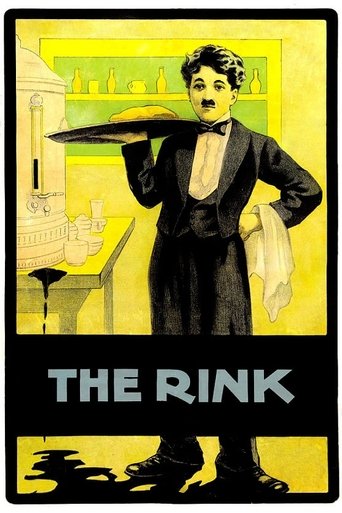
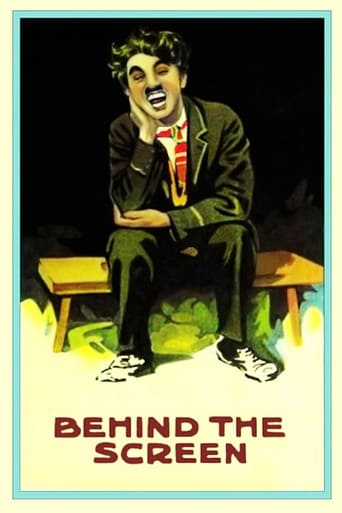
Titles linked here include The Rink (1916), Behind the Screen (1916).
When was Leota Bryan born and when did she die?
Born January 1, 1893; died December 1, 1975.
What awards did Leota Bryan win?
Leota Bryan did not receive any major awards or nominations during her brief film career, which was typical for supporting actors in the silent era.
What was Leota Bryan's acting style?
As a silent film actress, Bryan employed the expressive physical acting style typical of the era, using gestures and facial expressions to convey emotion and comedy in her minor supporting roles.
Why did Leota Bryan's career end so quickly?
Like many supporting players in silent films, Bryan's career appears to have been brief, possibly by choice or due to the limited opportunities available for minor character actors in the early film industry.
Did Leota Bryan work with other directors besides Chaplin?
All of Leota Bryan's known film work was with Charlie Chaplin, and there are no documented appearances in films by other directors from her era.