
The Cure
"Chaplin's inebriate turns a health spa upside down."
Keys: Space play/pause · ←/→ 10s · F fullscreen · M mute · </> speed
About this film
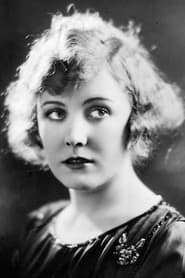
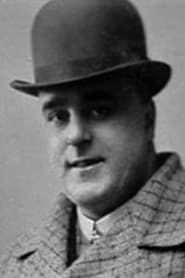
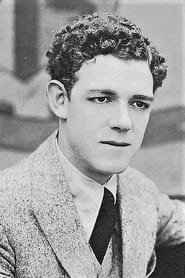
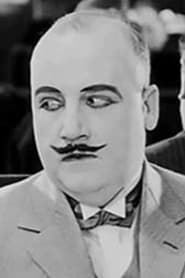
The Tramp checks into a luxurious health spa to cure his alcoholism, bringing a suitcase full of liquor hidden in various compartments. His drunken antics immediately disrupt the serene environment as he stumbles through the facility, encounters a large woman (Eric Campbell in drag) who becomes infatuated with him, and attempts to woo a beautiful young woman (Edna Purviance) also staying at the spa. After accidentally getting trapped in the steam room and emerging completely disheveled, The Tramp's drunken behavior eventually leads to chaos throughout the establishment. In a climactic sequence…
Cast & crew
More films like this


More Comedy films
View all →







More from Charlie Chaplin
View all →


More about this film
About the production
Release dateApril 16, 1917
ProductionMutual Film Corporation
Filmed inLos Angeles, California, Mack Sennett Studios
Filmed during Chaplin's most productive period at Mutual, where he had complete creative control and a budget of $10,000 per film. The spa setting was built on studio grounds, with elaborate sets including a grand entrance, treatment rooms, and outdoor gardens. Eric Campbell's appearance in drag as the large woman was one of his most memorable roles with Chaplin. The film featured innovative use of props, particularly Chaplin's suitcase with multiple hidden compartments for liquor bottles.
Themes
Addiction and recoveryThe hypocrisy of health fadsSocial class and privilegeThe search for redemptionHuman weakness and dignity
Themes & topics
health spaalcoholismcomedysilent filmtramp characterdrag performancephysical comedysatiresuitcasesteam roomfountainmutual films
Historical background
The Cure (1917) reached screens through Mutual Film Corporation. Exhibitors of the time built silent-era bills that mixed shorts, features, and live acts, so a clear premise helped The Cure travel between cities and exchange markets.
Why this film matters
Archivists and revival programmers still cite The Cure (1917) when tracing studio habits, casting pools, and the visual rhetoric audiences once took for granted. Even modest surviving prints help map how The Cure fit beside competing releases of its day.
Making of
The Cure was produced during Chaplin's golden year at Mutual, where he had unprecedented creative freedom and substantial budgets. Chaplin was known for his meticulous attention to detail and would often reshoot scenes multiple times until they met his exacting standards. The spa set was. Eric Campbell, who usually played menacing villains, was delighted to appear in drag, a role that showcased his comic timing beyond mere physical intimidation. Chaplin's famous perfectionism extended to the smallest details - he personally designed the special suitcase used in the film and rehearsed the liquor bottle gags for days. The steam room sequence was particularly challenging to film, requiring special lighting to penetrate the steam while keeping the actors visible. Chaplin's relationship with Edna Purviance was both professional and personal, and he often tailored roles specifically to showcase her talents beyond being a simple love interest.
What critics said
Trade coverage around 1917 discussed The Cure for pacing, clarity, and program fit rather than blockbuster grosses. Later writers value it as evidence of period style and as a reference point beside other films from the same era.
Did you know?
- This was the ninth of twelve films Chaplin made for Mutual Film Corporation during his most creative period.
- Eric Campbell, who plays the large woman, was Chaplin's regular antagonist during the Mutual period and this was one of his few comedic roles in drag.
- The spa setting was inspired by the real-life Battle Creek Sanitarium in Michigan, famous for its health treatments.
- Chaplin reportedly suffered from insomnia during this period and would often work through the night, possibly influencing the film's themes of seeking cures.
- The film features one of Chaplin's most elaborate prop gags - the suitcase with hidden compartments for liquor bottles.
- A deleted scene showed The Tramp attempting various spa treatments including mud baths and massage therapy.
- This was one of the first films to satirize the health and wellness industry, which was booming in the 1910s.
- The steam room sequence required Chaplin to perform under extremely hot conditions, reportedly causing him to faint briefly between takes.
- The film's release coincided with America's entry into World War I, though it contains no war references.
- Edna Purviance, Chaplin's leading lady, was reportedly paid $50 per week for her role, a substantial sum at the time.
Visual style
The Cure was photographed by Roland Totheroh, Chaplin's regular cinematographer during the Mutual period. The film features innovative camera work for its time, including tracking shots following The Tramp through the spa's various rooms. The steam room sequence presented particular technical challenges, requiring special lighting techniques to maintain visibility while creating the authentic steam effect. The film's visual style emphasizes the contrast between the spa's pristine, orderly environment and The Tramp's chaotic presence. Wide shots establish the grandeur of the spa setting, while medium and close-up shots capture the nuances of Chaplin's physical comedy. The cinematography also makes effective use of depth of field, particularly in scenes involving multiple characters and props. The final fountain sequence uses underwater photography techniques that were quite advanced for 1917.
Innovations
The Cure featured several technical innovations for its time, particularly in set design and prop construction. The elaborate spa set was. The special suitcase with hidden compartments was a marvel of prop design, allowing Chaplin to perform complex gags with liquor bottles appearing and disappearing. The steam room sequence required innovative lighting techniques to maintain visibility while creating authentic steam effects. The film also made early use of what would become standard comedy editing techniques, including match cuts and parallel action to build comic tension. The underwater photography in the final fountain sequence was particularly advanced for 1917, requiring specialized waterproof camera housing.
Music
As a silent film, The Cure was originally accompanied by live musical performances in theaters. Chaplin himself composed musical themes for many of his films, though it's unclear if he created specific music for The Cure during its initial release. Modern restorations typically feature period-appropriate piano or orchestral scores. The film's pacing and rhythm lend themselves well to musical accompaniment, with the physical comedy sequences particularly enhanced by synchronized music. Contemporary theaters often used popular songs of the era alongside classical pieces to accompany the action. In 2012, the Chaplin estate commissioned a new orchestral score for the Mutual films, including The Cure, composed by Timothy Brock and based on Chaplin's original musical notes and themes.
Famous quotes
(Intertitle) The Tramp arrives at the health spa for a cure
(Intertitle) He brings his own remedies
(Intertitle) The steam room is not what he expected
(Intertitle) A cure that works too well
Memorable scenes
- The opening sequence where The Tramp arrives at the spa with his special suitcase containing hidden liquor bottles, each compartment revealing another bottle to the growing alarm of the staff
- The steam room sequence where The Tramp accidentally gets locked in and emerges completely disheveled and dazed
- Eric Campbell's entrance as the large woman, a surprising and hilarious drag performance that becomes a running gag throughout the film
- The final fountain sequence where The Tramp falls into the water while trying to retrieve his liquor, resulting in his expulsion from the spa
What audiences thought
The Cure was enormously popular with audiences upon its release, playing to packed theaters across America and internationally. Filmgoers particularly enjoyed Eric Campbell's unexpected appearance in drag and the elaborate suitcase gags. The film's humor transcended language barriers, making it successful in foreign markets where Chaplin's films were in high demand. Contemporary audience reports describe theaters erupting in laughter during the steam room sequence and The Tramp's final fall into the fountain. The film's theme of seeking cures for various ailments resonated with audiences familiar with the health spa craze of the 1910s. Modern audiences continue to appreciate the film's physical comedy and timeless humor, with The Cure remaining.
Film connections
Influenced by
- Mack Sennett's Keystone comedies
- French and Italian slapstick traditions
- Music hall and vaudeville performance styles
- American health culture of the 1910s
- Temperance movement literature
This film influenced
- The Gold Rush (1925)
- City Lights (1931)
- Modern Times (1936)
- The Party (1968)
- Arthur (1981)
- The Nutty Professor (1996)
Film restoration
The Cure survives in complete form and has been restored multiple times. The original nitrate negatives are preserved at the British Film Institute and the Library of Congress. The film underwent a major restoration in the 2010s as part of the Chaplin Mutual films collection, with damaged sections repaired and image quality enhanced. The restored version is available on DVD and Blu-ray through the Chaplin estate's official releases. The film is considered to be in excellent condition for a 1917 production, with clear image quality and intact intertitles. No scenes are known to be missing from the original release version.
Where to watch
- The Criterion Channel
- The Chaplin Archive official website
- DVD/Blu-ray collections: 'Chaplin Mutual Comedies' (The Criterion Collection)
- Kino Lorber DVD releases
- YouTube (official Chaplin channel)
- MUBI streaming service
- Film archives and museums with screening programs