
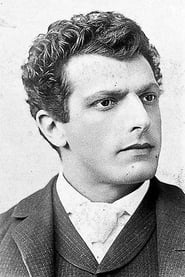
Henry Bergman
Actor
Born: February 23, 1868 in San Francisco, California, USA Died: October 22, 1946 Active: 1916-1946
Films
22 films
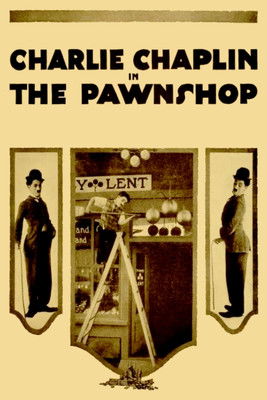
The Pawnshop
1916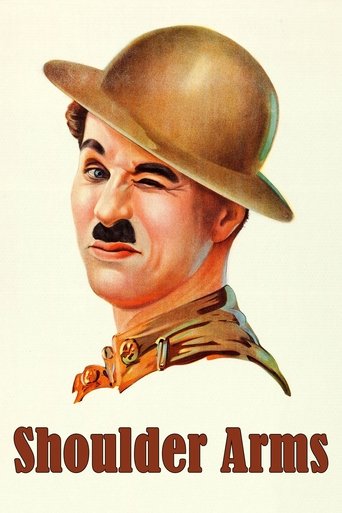
Shoulder Arms
1918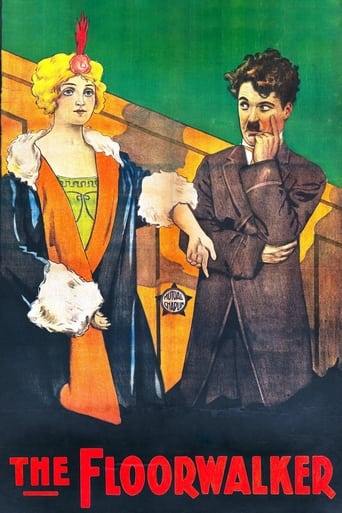
The Floorwalker
1916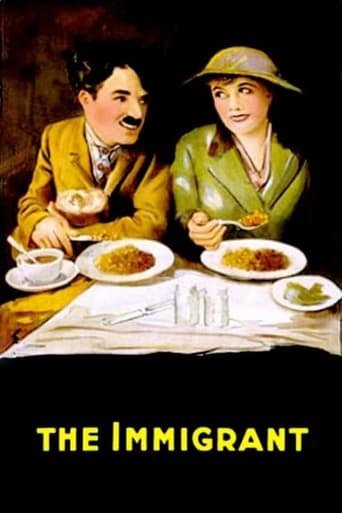
The Immigrant
1917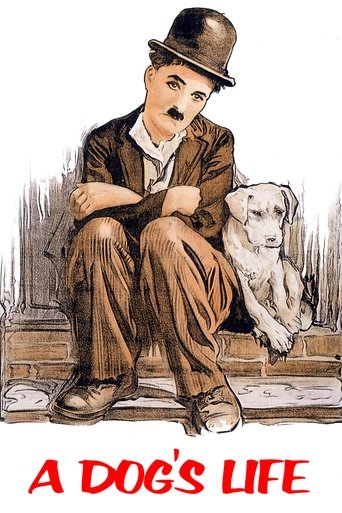
A Dog's Life
1918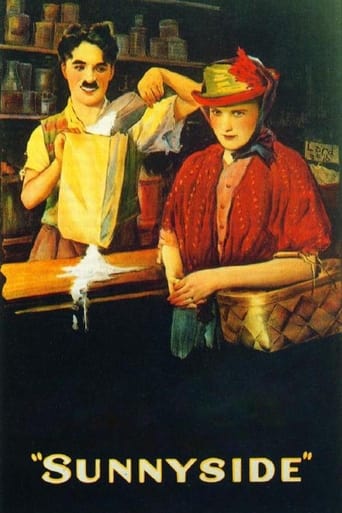
Sunnyside
1919
The Cure
1917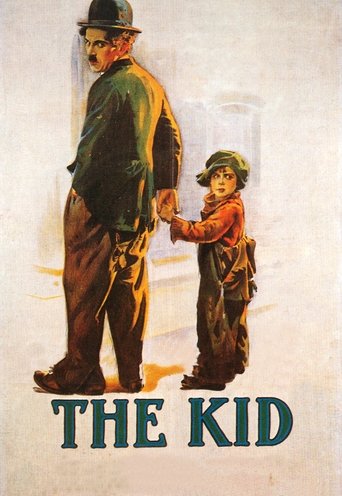
The Kid
1921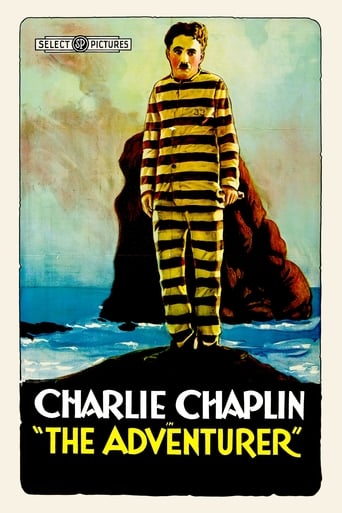
The Adventurer
1917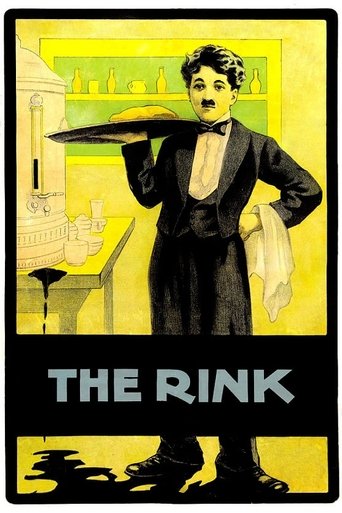
The Rink
1916
The Vagabond
1916
The Bond
1918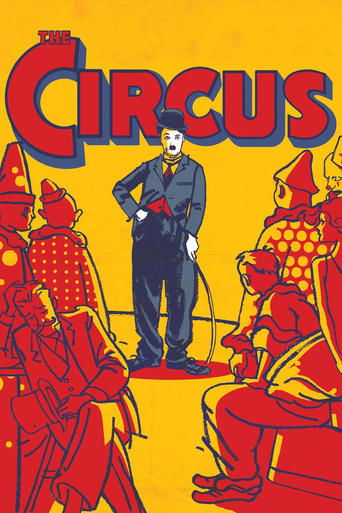
The Circus
1928
Easy Street
1917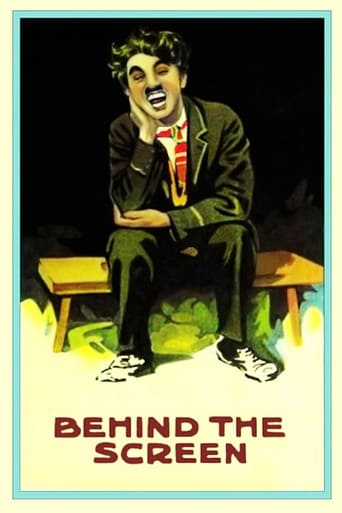
Behind the Screen
1916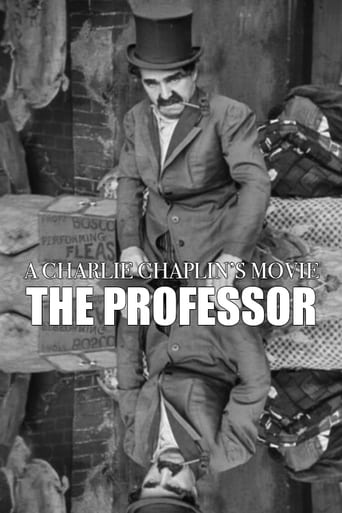
The Professor
1919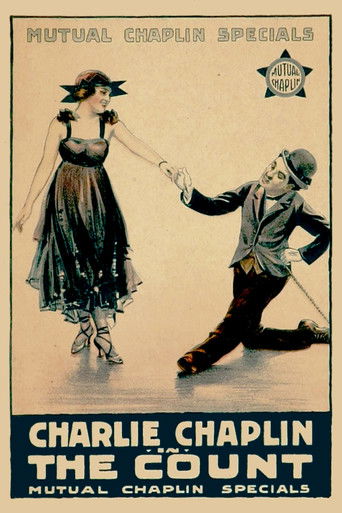
The Count
1916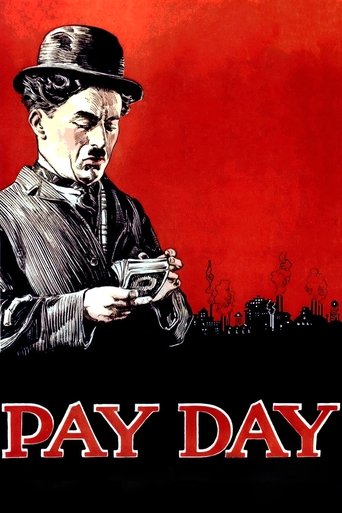
Pay Day
1922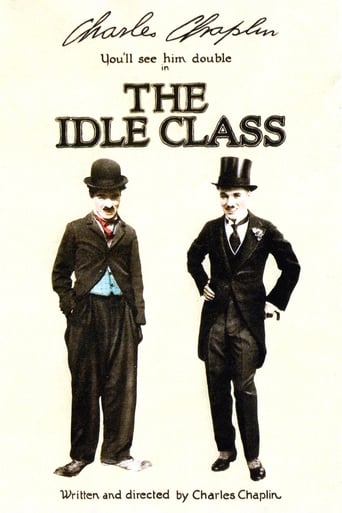
The Idle Class
1921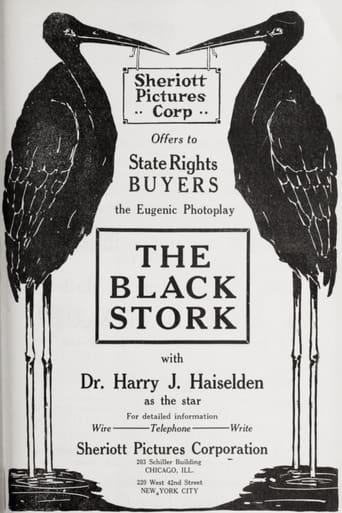
The Black Stork
1917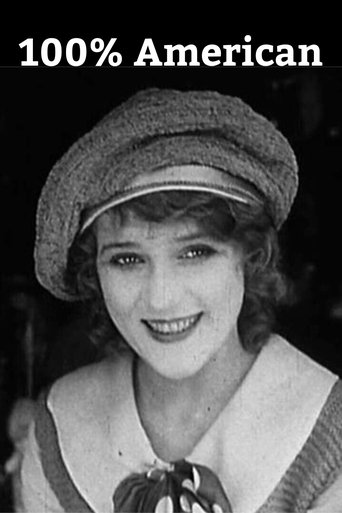
100% American
1918About Henry Bergman
American actor and one of Charlie Chaplin's most trusted collaborators during the silent film era. Born in San Francisco in 1868, Bergman began his career in vaudeville before transitioning to films in 1916 when he first met Charlie Chaplin. He quickly became an indispensable member of Chaplin's stock company, appearing in nearly all of Chaplin's films from The Pawnshop (1916) through The Circus (1928). Bergman was renowned for his remarkable versatility, often playing multiple roles in a single film with extensive makeup transformations that rendered him nearly unrecognizable. Beyond his acting contributions, Bergman served as Chaplin's assistant director and studio manager at the Chaplin Studios, handling various production responsibilities and offering creative input. He remained with Chaplin through the challenging transition to sound films, though his screen appearances diminished. Bergman continued working behind the scenes for Chaplin until his death in 1946, maintaining a friendship and professional relationship that spanned three decades. His loyalty, reliability, and talent made him respected supporting actors in Hollywood during the golden age of silent cinema.
The Craft
On Screen
Bergman excelled in transformation and character versatility, capable of playing everything from villains to sympathetic characters through expert use of makeup and physical performance. His acting style was characterized by subtle facial expressions and precise timing that perfectly complemented Chaplin's comedic genius. As a character actor, he could seamlessly shift between different personas within the same film, often requiring hours of makeup preparation. Bergman's approach was grounded in his vaudeville training, emphasizing physical comedy and expressive gestures that communicated effectively in silent cinema. He had a remarkable ability to adapt his performance style to suit the specific needs of each role while maintaining consistency in quality.
Milestones
- First collaboration with Charlie Chaplin in The Pawnshop (1916)
- Played multiple roles in The Immigrant (1917) and The Gold Rush (1925)
- Became assistant director and studio manager at Chaplin Studios
- Final film appearance in The Circus (1928)
- Continued behind-the-scenes work for Chaplin through the sound era
Best Known For
Iconic Roles
Must-See Films
Accolades
Special Recognition
- Recognized as one of Charlie Chaplin's most essential collaborators
- Honored in Chaplin's autobiography as a vital contributor to his films
Working Relationships
Worked Often With
Studios
Why They Matter
Impact on Culture
Henry Bergman played a crucial role in shaping some of the most celebrated silent film comedies in cinema history. His versatility and reliability made him an essential component of Chaplin's creative process, contributing significantly to the success and artistic quality of films that are now considered masterpieces of silent cinema. Bergman's ability to transform himself for multiple roles in a single film demonstrated the technical possibilities of makeup and character acting in early cinema. His work helped establish the importance of reliable character actors in supporting leading performers, influencing how film productions would approach casting supporting roles. Bergman's contributions extended beyond acting to include production management and creative consultation, showcasing the multifaceted nature of film collaboration during the studio era.
Lasting Legacy
Henry Bergman's legacy is intertwined with the golden age of silent comedy and the body of work created by Charlie Chaplin. While not a household name, his contributions to some of the most influential films in cinema history have earned him a permanent place in film history. Bergman is remembered by film scholars and classic cinema enthusiasts as. His ability to disappear into multiple roles within a single film set a standard for character acting that would influence generations of performers. The friendship and professional partnership between Bergman and Chaplin remains. Bergman's work continues to be studied and appreciated by those interested in the technical and artistic achievements of silent cinema.
Who They Inspired
Henry Bergman influenced subsequent generations of character actors through his demonstration of the importance of versatility and reliability in supporting roles. His ability to play multiple distinct characters in a single film showed the potential for character actors to make significant contributions to film narratives. Bergman's professional approach and dedication to his craft set an example for future performers in terms of work ethic and commitment to collaborative filmmaking. His success in transitioning from vaudeville to film provided a model for other stage performers seeking to enter the motion picture industry. The trust and respect he earned from Chaplin demonstrated how supporting actors could become essential creative partners rather than merely background performers.
Off Screen
Henry Bergman was married to Pearl White from 1918 until his death in 1946. The couple had no children together. Bergman was known for his professionalism and dedication to his craft, often working long hours on Chaplin's productions. He was highly respected in the Hollywood community for his loyalty and reliability. Bergman maintained a close friendship with Charlie Chaplin both professionally and personally, with Chaplin considering him one of his most trusted confidants. Outside of his film work, Bergman was known to be a private individual who rarely gave interviews or sought the spotlight.
Education
Limited information available, but his vaudeville background suggests extensive practical training in performance arts
Family
- Pearl White (1918-1946)
Did You Know?
- Bergman appeared in more Charlie Chaplin films than any other supporting actor
- He could play up to three different roles in a single film
- Sometimes required up to three hours of makeup preparation for character transformations
- Served as Chaplin's unofficial studio manager and handled various production responsibilities
- Was one of the few actors Chaplin consistently worked with across different studio affiliations
- Had a remarkable memory, able to recall dialogue and blocking from multiple takes
- Continued working for Chaplin behind the scenes even after his screen appearances ended
- His death in 1946 deeply affected Chaplin, who considered him one of his closest friends
- Was known for his professionalism and reliability on set, never missing a day of work
- Helped Chaplin navigate the challenging transition from silent to sound films
Frequently Asked Questions
Who was Henry Bergman?
American actor and one of Charlie Chaplin's most trusted collaborators during the silent film era, appearing in nearly all of Chaplin's films from 1916 to 1928 and serving as his assistant on YTB.my.
What films is Henry Bergman best known for?
Titles linked here include The Pawnshop (1916), The Immigrant (1917).
When was Henry Bergman born and when did he die?
Born February 23, 1868; died October 22, 1946.
What awards did Henry Bergman win?
Henry Bergman did not receive major formal awards during his career, but he is recognized by film historians as one of Charlie Chaplin's most essential collaborators and a vital contributor to silent cinema.
What was Henry Bergman's acting style?
Bergman was known for his remarkable versatility and ability to transform into multiple characters, often requiring extensive makeup. His style emphasized subtle facial expressions and physical comedy that perfectly complemented Chaplin's performances.
How did Henry Bergman influence cinema?
Bergman influenced cinema by demonstrating the importance of reliable character actors in supporting leading performers and by showing the technical possibilities of makeup and character transformation in early films.
What was Henry Bergman's relationship with Charlie Chaplin?
Bergman had a close professional and personal relationship with Chaplin, working as his trusted supporting actor, assistant director, and studio manager for over three decades, with Chaplin considering him one of his closest friends and collaborators.