
The Idle Class
"At an upper class golf resort"
Keys: Space play/pause · ←/→ 10s · F fullscreen · M mute · </> speed
About this film
At an upper class golf resort, a tramp discovers he's the lookalike of a rich man with a beautiful, unhappy wife.
Cast & crew
More films like this

More Comedy films
View all →







More from Charlie Chaplin
View all →


More about this film
About the production
Release dateSeptember 25, 1921
Box officeHighly successful commercially, as were all Chaplin films of this period, though exact figures are not documented
ProductionFirst National Pictures, Charles Chaplin Productions
Filmed inChaplin Studios, Hollywood, California, On-location golf course scenes filmed in Southern California
Chaplin employed his characteristic perfectionism, often shooting dozens of takes for each scene. The golf sequence required extensive planning and coordination to achieve the desired comedic timing. Chaplin played both the Tramp and the wealthy man, requiring careful camera positioning and editing techniques of the era. The film was produced during Chaplin's contract period with First National Pictures, before he formed United Artists with Mary Pickford, Douglas Fairbanks, and D.W. Griffith.
Themes
Class differences and social inequalityMistaken identity and dual nature of humanityLove and marital discordThe outsider perspective on societyWealth versus poverty
Themes & topics
dual rolemistaken identitygolf resortwealthy versus poortramp charactermarital problemssocial commentaryphysical comedysilent filmclass satire
Historical background
The Idle Class (1921) circulated in the silent era. At an upper class golf resort, a tramp discovers he's the lookalike of a rich man with a beautiful, unhappy wife Contemporary trade papers and later preservation notes document its place among nickelodeon and cinema-club programs.
Why this film matters
The Idle Class remains accessible to researchers and viewers as a comedy short in museum, archive, and streaming collections. The Idle Class is a 1921 American silent comedy short film written and directed by Charlie Chaplin for First National Pictures.
Making of
The production of 'The Idle Class' demonstrated Chaplin's perfectionism and attention to detail. He would often rehearse scenes for days before filming, working out every gesture and expression. For the dual role sequences, Chaplin used careful camera placement and editing tricks of the era, sometimes using a double for shots where both characters appeared together. The golf sequences required extensive coordination with extras to achieve the precise comedic timing Chaplin demanded. Chaplin's method of directing involved acting out every role himself to demonstrate exactly what he wanted from his actors. Edna Purviance, though primarily known as a dramatic actress, proved adept at physical comedy under Chaplin's guidance. The film was shot at Chaplin's own studio in Hollywood, giving him complete creative control over the production process.
What critics said
Day-one reviews for The Idle Class are sparse in digitized press archives; later criticism treats it as a reference point for 1921 cinema programming and preservation.
Did you know?
- This was Chaplin's third film for First National Pictures as part of his eight-picture contract
- Chaplin played dual roles in this film, a technique he would later perfect in 'The Great Dictator' (1940)
- The golf scenes were particularly challenging to film, requiring precise timing for the comedy to work effectively
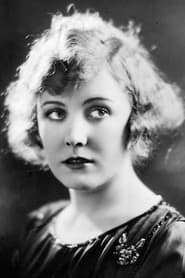
- Edna Purviance, who plays the neglected wife, was Chaplin's regular leading lady and appeared in over 30 of his films
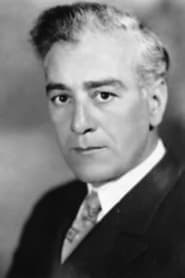
- Henry Bergman, who appears as the golf club manager, was a longtime Chaplin collaborator and appeared in many of his films
- The film showcases Chaplin's growing interest in social commentary, contrasting the lives of the rich and poor
- This was one of the last two-reel comedies Chaplin made before transitioning to feature-length films
- The mistaken identity premise was a favorite comedic device that Chaplin used in several films
- Chaplin was reportedly inspired to make this film after observing the behavior of wealthy people at resorts
- The film's title refers to both the idle rich and the seemingly idle tramp, though the latter is constantly searching for work and purpose
Visual style
The cinematography by Roland Totheroh, Chaplin's regular cameraman, employed the visual style typical of Chaplin's films of this period. The camera work was primarily functional, designed to clearly present the physical comedy and facial expressions that were central to silent film storytelling. The golf sequences featured wider shots to accommodate the action and multiple characters, while intimate scenes used closer framing to capture the emotional nuances of the performances. The dual role sequences required careful camera positioning and editing techniques of the era, with Chaplin using matte shots and careful blocking to create the illusion of two identical characters on screen simultaneously. The visual contrast between the luxurious resort settings and The Tramp's humble world was emphasized through lighting and composition.
Innovations
The film's primary technical achievement lies in its execution of dual roles using 1921 technology. Chaplin employed careful camera placement, editing techniques, and the use of doubles to create convincing scenes featuring both the Tramp and the wealthy man. The golf sequences required precise timing and coordination between multiple actors and camera movements to achieve the desired comedic effect. The film also demonstrates sophisticated use of intertitles to convey narrative information while maintaining the flow of visual comedy. Chaplin's mastery of visual storytelling techniques allowed him to convey complex social commentary without dialogue, a significant achievement in the silent film medium.
Music
As a silent film, 'The Idle Class' originally had no synchronized soundtrack, but was accompanied by live musical performances in theaters. Chaplin himself composed musical scores for many of his films later in his career, and he created a score for 'The Idle Class' when it was re-released. The original theatrical accompaniment would have varied by theater, ranging from solo piano to full orchestras. Chaplin's later composed score for the film incorporates themes that reflect both the comedic and dramatic elements of the story, using leitmotifs for different characters and situations. The music enhances the emotional impact of key scenes while supporting the physical comedy with appropriately light and playful passages.
Famous quotes
(Intertitle) 'A comedy of high and low life'
(Intertitle) 'The Idle Class - Where some work and others play'
(Intertitle) 'A case of mistaken identity that proves everyone has their place'
Memorable scenes
- The opening golf sequence where The Tramp disrupts the wealthy golfers' game, showcasing Chaplin's masterful physical comedy and timing
- The scene where The Tramp first sees his reflection and realizes he looks identical to the wealthy man
- The drunken confrontation between the wealthy husband and his wife, highlighting the film's social commentary
- The climactic sequence where both characters are simultaneously present, demonstrating the technical achievement of the dual role
What audiences thought
The film was enormously popular with audiences worldwide, as were all of Chaplin's productions of this era. Theater owners reported packed houses and enthusiastic responses, with particular appreciation for the golf sequences and the dual role comedy. Audiences related to Chaplin's portrayal of the Tramp as an outsider looking in on wealth and privilege, a theme that resonated strongly in the economically stratified society of the 1920s. The film's success confirmed Chaplin's status as the biggest box office draw of his time. Contemporary audience letters and reviews preserved in film archives show particular appreciation for the film's emotional moments alongside its comedy, with many viewers expressing sympathy for both the neglected wife and the wandering Tramp.
Film connections
Influenced by
- Molière's comedies of manners
- Commedia dell'arte traditions
- Earlier Chaplin short films
- Shakespearean mistaken identity plots
- American vaudeville traditions
This film influenced
- The Great Dictator (1940)
- Some Like It Hot (1959)
- Trading Places (1983)
- The Prince and the Pauper adaptations
- Modern dual-role comedies
Film restoration
The film is well-preserved in several film archives worldwide, including the Library of Congress, the British Film Institute, and the Chaplin Archives. It has been restored and is available on various home video formats. The film survives in complete form with all its original intertitles intact. Multiple high-quality digital restorations have been produced, ensuring the film's continued accessibility for modern audiences.
Where to watch
- The Criterion Collection Blu-ray/DVD releases
- The Chaplin Revue DVD collection
- Streaming services featuring classic films such as The Criterion Channel
- Various public domain film websites
- Film archive screenings at museums and cinematheques
- Educational film distribution services