Films
1 film
About Lillian McMurray
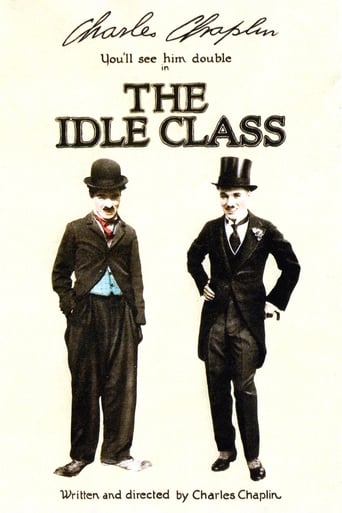
Brief but notable figure in the silent film era,: entire known film career consisted of a single appearance in Charlie Chaplin's classic comedy 'The Idle Class' in 1921. As a supporting player in one of Chaplin's most celebrated First National films, she contributed to the golden age of silent comedy during a period when Chaplin was at the height of his creative powers. Her appearance in this film represents the entirety of her documented filmography, suggesting she may have been a bit player, extra, or someone who briefly dabbled in acting before pursuing other interests. The fact that she appeared in a Chaplin production indicates she was part of the prestigious circle of performers working with cinema's greatest comedian during his most productive period. Unfortunately, like many minor players from the silent era, detailed records of her life and career have been lost to time, leaving 'The Idle Class' as her only lasting cinematic legacy.
The Craft
Milestones
- Appeared in Charlie Chaplin's 'The Idle Class' (1921)
Best Known For
Must-See Films
Working Relationships
Worked Often With
Studios
Why They Matter
Impact on Culture
Lillian McMurray's cultural impact is primarily tied to her participation in one of Charlie Chaplin's most acclaimed silent comedies. 'The Idle Class' remains an important work in cinema history, and her contribution, however small, places her within the legacy of Chaplin's ensemble of talented performers who helped create these timeless films. Her appearance represents the collaborative nature of early Hollywood, where even minor roles were filled by performers who became part of cinema's enduring classics.
Lasting Legacy
Lillian McMurray's legacy is that of countless anonymous performers who populated the background of silent cinema's greatest achievements. While she may not be remembered by name, her contribution to 'The Idle Class' ensures she is part of film history, representing the many actors whose brief careers helped shape the golden age of silent comedy. Her story illustrates how early cinema was built on the efforts of many now-forgotten talents.
Who They Inspired
As a minor player with only one documented film credit, Lillian McMurray's direct influence on other performers or filmmakers is not recorded. However, her participation in Chaplin's work places her within the lineage of actors who contributed to the development of screen comedy during its formative years.
Off Screen
Very little is known about Lillian McMurray's personal life, as she was a minor figure in silent cinema whose career appears to have been limited to a single film appearance. Like many supporting players from the early 1920s, biographical details have not been preserved in film archives or historical records.
Did You Know?
- Her entire known film career consists of just one movie: 'The Idle Class' (1921)
- She worked during the peak of Charlie Chaplin's creative period at First National Pictures
- Like many supporting actors from the silent era, no biographical details about her life have survived
- Her appearance in a Chaplin film suggests she was part of the select group of performers trusted by the demanding director
- The Idle Class was one of Chaplin's most successful films during his First National period
- No photographs or other records of her beyond the film itself appear to have survived
Frequently Asked Questions
Who was Lillian McMurray?
Silent film actress known only for her appearance in Charlie Chaplin's 1921 comedy 'The Idle Class'. Her entire documented film career consists of this single role, making her one of many brief performers from the silent era whose contributions to classic cinema have been largely forgotten by history.
What films is Lillian McMurray best known for?
Titles linked here include The Idle Class (1921).
When was Lillian McMurray born and when did she die?
Unfortunately, Lillian McMurray's birth and death dates are unknown. Like many minor players from the silent era, biographical details about her life have not been preserved in historical records or film archives.
What awards did Lillian McMurray win?
There are no records of Lillian McMurray receiving any awards or nominations during her brief film career. As a minor player in a single 1921 film, she would not have been eligible for the major awards that were just beginning to be established during that era.
What was Lillian McMurray's acting style?
Due to the limited documentation of her career and the fact that she appeared in only one film, there is insufficient information to describe Lillian McMurray's specific acting style. As a supporting player in a Chaplin comedy, she would have been expected to complement the physical comedy style characteristic of Chaplin's films.
Did Lillian McMurray work with other famous actors?
Her only documented film work was with Charlie Chaplin in 'The Idle Class', which also starred Edna Purviance and Mack Swain. This places her within the circle of performers regularly employed by Chaplin during his most productive period.
Why is so little known about Lillian McMurray?
The scarcity of information about Lillian McMurray is typical of minor players from the silent era. Many supporting actors and bit players from this period had brief careers and their biographical details were not preserved by studios or film historians, especially when they did not achieve lasting fame.