
The Bond
"All for charlie chaplin"
Keys: Space play/pause · ←/→ 10s · F fullscreen · M mute · </> speed
About this film
In a world where silent era life, a propaganda film created by Charlie Chaplin at his own expense for the Liberty Load Committee to help sell U.S. Liberty Bonds during World War I. The story is a series of sketches humorously illustrating various bonds like the bond of friendship and of marriage and, most importa
Cast & crew
More films like this
More Comedy films
View all →







More from Charlie Chaplin
View all →


More about this film
About the production
Release dateSeptember 1918
BudgetThe film was produced at Chaplin's personal expense, though exact budget figures are not documented in historical records
Box officeAs a free promotional film for the Liberty Loan Committee, it did not generate traditional box office revenue but contributed to the overall success of Liberty Bond drives
ProductionCharlie Chaplin Productions, First National Pictures
Filmed inCharlie Chaplin Studios, Hollywood, California
Chaplin made this film entirely at his own expense as a patriotic contribution to the war effort. The film was completed in just a few days and was distributed freely to theaters across America to be shown before feature presentations. The production was notably efficient, with Chaplin utilizing his regular stock company and studio facilities. The Kaiser character was played by Chaplin himself using distinctive makeup and costume to create the caricature.
Themes
Themes & topics
propagandaLiberty BondsWorld War IKaiser Wilhelmpatriotismphysical comedyfriendshipmarriageboxingwar bondsfundraisingnational unityAmerican propagandasilent comedy
Historical background
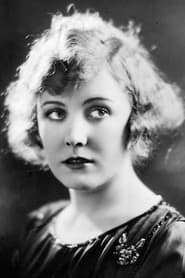
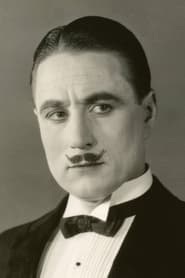
The 1918 premiere of The Bond coincided with broader shifts in silent era culture, from technology to social norms. Liberty Bonds during World War I. Made in 1918 with Edna Purviance, Albert Austin and Sydney Chaplin, the film has a distinctive visual motif set in a simple plain black set with starkly lit simple props and arrangements.
Why this film matters
The Bond has outlived its original run as a document of silent era popular entertainment and craft.
Making of
The Bond was created during a period when Chaplin was at the height of his fame and had significant creative control over his productions. The film was conceived when Chaplin was approached by the Liberty Loan Committee to create content supporting their bond drives. Rather than simply making a public service announcement, Chaplin crafted a narrative film that incorporated his signature comedic style while delivering the patriotic message. The production was remarkably swift, with Chaplin utilizing his established studio setup and regular troupe of actors. The Kaiser sequence required extensive makeup work, with Chaplin spending considerable time creating the caricature that would be both recognizable and comically effective. The film was shot on existing sets at Chaplin's studio, demonstrating his efficiency as a filmmaker. After completion, Chaplin personally oversaw the distribution to ensure maximum reach, coordinating with theater owners nationwide to include the short in their programming.
What critics said
Re-evaluation in film journals has kept The Bond in circulation among enthusiasts who track silent era releases.
Did you know?
- This was one of the few films Chaplin made for free, donating all services to the war effort
- The film was distributed to over 5,000 theaters nationwide as part of the Third Liberty Loan campaign
- Chaplin not only starred in but also wrote, directed, and produced the film
- The Kaiser character was one of Chaplin's rare overt political caricatures in his filmography
- The film was considered so effective that the U.S. government used it in subsequent bond drives
- Edna Purviance and Syd Chaplin were Chaplin's regular collaborators, appearing in many of his films
- The film's structure of showing different types of bonds was inspired by a similar idea from Chaplin's friend Douglas Fairbanks
- This was one of Chaplin's shortest narrative films, clocking in at just 10 minutes
- The film was preserved in the Library of Congress collection as part of the National Film Registry
- Chaplin received a special letter of thanks from the U.S. Treasury Department for his contribution
Awards & recognition
- Special Citation from the U.S. Treasury Department for Patriotic Service
- Honorary Recognition from the Liberty Loan Committee
Visual style
The cinematography in The Bond was handled by Roland Totheroh, Chaplin's regular cameraman, who employed the straightforward, clear visual style typical of Chaplin's productions. The camera work is functional rather than experimental, focusing on clearly presenting the physical comedy and narrative action. The film uses medium shots for most of the comedy sequences to capture Chaplin's full body movements and expressions, with occasional close-ups for emotional emphasis. The Kaiser sequence features more dynamic camera movement to enhance the boxing match action. The lighting is bright and even, characteristic of studio productions of the era, ensuring maximum visibility for the comedy. The film's visual composition follows Chaplin's preference for balanced frames that allow the physical comedy to play out clearly. The makeup and costume design for the Kaiser character is particularly notable, creating an instantly recognizable caricature that works effectively for the propaganda message.
Innovations
While The Bond was not technically innovative in the way some of Chaplin's other films were, it demonstrated his mastery of efficient film production. The short was completed in an exceptionally brief period, showcasing Chaplin's ability to work quickly without sacrificing quality. The film's effective use of existing studio sets and resources demonstrated practical filmmaking techniques that would influence later producers of short-form content. The makeup work for the Kaiser character, while simple by modern standards, was effective for creating an instantly recognizable villain caricature that worked for propaganda purposes. The film's clear narrative structure and efficient storytelling within its 10-minute runtime demonstrated Chaplin's understanding of pacing and economy in filmmaking. The success of the film in reaching and moving audiences to action showed the potential of cinema as a tool for social and political influence, a technical achievement in terms of communication effectiveness rather than cinematic innovation.
Music
As a silent film, The Bond was originally accompanied by live musical performance in theaters. The score would have been provided by theater pianists or small orchestras, likely using patriotic themes and popular songs of the period. The film's structure, with its distinct segments, would have allowed for varied musical accompaniment, with lighter, comedic music for the friendship and marriage sketches, and more dramatic, patriotic music for the Liberty Bond and Kaiser sequences. The boxing scene with the Kaiser would have been accompanied by energetic, rhythmic music to enhance the action. While no original score survives, modern restorations typically use period-appropriate music including patriotic songs like 'Over There' and 'It's a Long Way to Tipperary' alongside classical pieces that would have been familiar to 1918 audiences. The musical accompaniment would have played a crucial role in conveying the film's emotional tone and reinforcing its patriotic message.
Famous quotes
The Liberty Bond is the bond that binds us all together in this great time of need
A bond of friendship is a wonderful thing, but a Liberty Bond helps save the world
Every dollar you invest in a Liberty Bond is a punch against the Kaiser
The bond of marriage is sacred, but the bond of patriotism saves nations
When we all stand together with Liberty Bonds, no Kaiser can stand against us
Memorable scenes
- The sequence where Chaplin literally boxes with and defeats the Kaiser caricature, using physical comedy to symbolize American victory in the war
- The opening sketch demonstrating the bond of friendship between Chaplin and Syd Chaplin, featuring their trademark comedic chemistry
- The marriage bond scene with Edna Purviance, showing domestic comedy while setting up the theme of different types of bonds
- The final patriotic appeal where Chaplin breaks the fourth wall to directly address the audience about Liberty Bonds
- The transformation sequence where Chaplin changes from his Tramp character to a boxer to fight the Kaiser
What audiences thought
The Bond was enthusiastically received by American audiences in 1918, who were already devoted fans of Chaplin's work. Theater owners reported that audiences responded positively to the film, often applauding during the Kaiser-defeating sequence. The Liberty Loan Committee reported increased bond sales in areas where the film was shown, though it's difficult to isolate the film's specific impact from other campaign efforts. Many audience members appreciated seeing their favorite comedian contributing to the war effort, which enhanced Chaplin's already substantial popularity. The film's humor made the serious topic of war financing more approachable for average citizens, particularly working-class audiences who formed Chaplin's core fan base. Contemporary newspaper accounts mention that the film was particularly effective at reaching immigrant communities who might have been less engaged by traditional patriotic appeals. The short's brevity and entertainment value made it an ideal prelude to feature films, ensuring it reached maximum viewership.
Film connections
Influenced by
- Government propaganda posters of the WWI era
- Contemporary political cartoons
- Chaplin's earlier short films with social messages
- The tradition of music hall patriotic sketches
- Douglas Fairbanks' similar patriotic film work
This film influenced
- The Kid (1921) - in its blending of comedy and social messaging
- The Great Dictator (1940) - in its political satire of authoritarian figures
- Modern celebrity public service announcements
- Later wartime propaganda films featuring major stars
Film restoration
The Bond is well-preserved with complete copies held in several major film archives including the Library of Congress, the British Film Institute, and the Cinémathèque Française. The film has been digitally restored and is available on various Chaplin compilation releases. The preservation status is excellent compared to many other films of the period, likely due to its historical significance as a Chaplin work and its preservation in government archives. Multiple 35mm prints survive in good condition, and the film has been transferred to modern digital formats for contemporary viewing. The restoration work has maintained the original visual quality while ensuring the film remains accessible to modern audiences.
Where to watch
- The film is included in 'The Chaplin Revue' DVD and Blu-ray collections
- Available on streaming services featuring classic films such as The Criterion Channel
- Can be viewed on YouTube through official Chaplin archive channels
- Included in various public domain classic film collections
- Available for educational viewing through the Library of Congress website
- Featured in several streaming platforms specializing in silent cinema
- Included in the complete Chaplin short films collection on major streaming services