
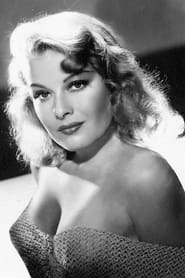
Joan Marsh
Actor
Born: 1913 in California, United States Active: 1918-1920 Birth Name: Nancy Ann Rosher
Films
5 films
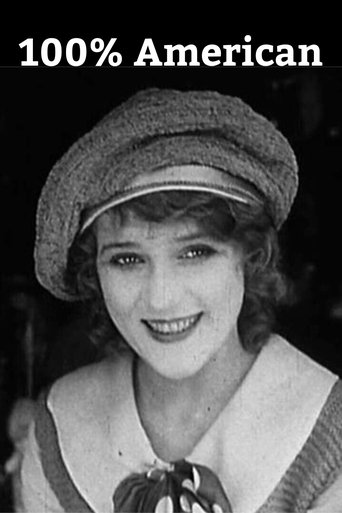
About Joan Marsh
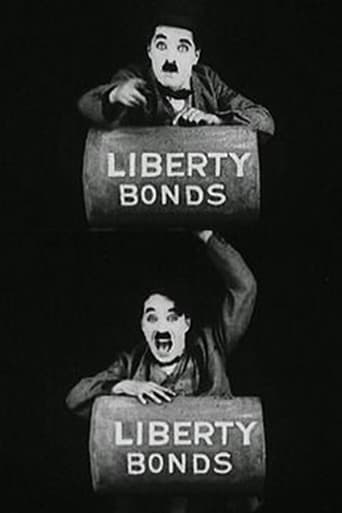
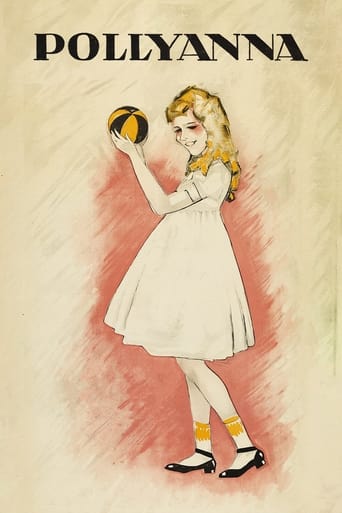
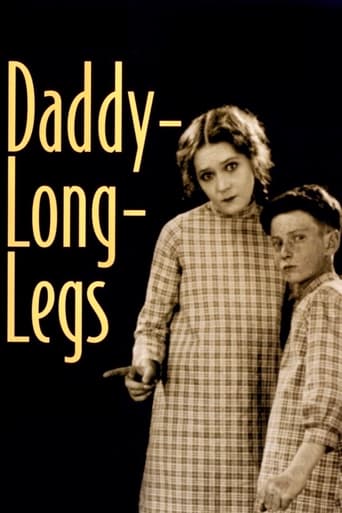
Child actress during the silent film era, making her mark in Hollywood between 1918 and 1920. She began her career at an exceptionally young age, appearing alongside some of the biggest stars of the period including Mary Pickford. Her most notable roles came in 1919's Daddy-Long-Legs and 1920's Pollyanna, both starring Pickford, where she played supporting child roles that showcased her natural screen presence. Marsh also appeared in Charlie Chaplin's The Bond (1918) and the Mary Pickford vehicle Suds (1920), demonstrating her versatility as a young performer. Despite her promising start in the industry, her film career appears to have been brief, typical of many child actors of the silent era who either chose different paths or struggled to transition to more mature roles. Her work during this three-year period, however, places her among the notable child performers of early Hollywood who contributed to the golden age of silent cinema.
The Craft
On Screen
As a child actress in the silent era, Joan Marsh employed naturalistic expressions and gestures typical of child performers of the period. Her acting relied heavily on facial expressions and body language to convey emotion, as was standard in silent film performance. She demonstrated a remarkable ability to hold her own alongside established stars like Mary Pickford, showing the kind of natural charm that made child actors popular in early cinema.
Milestones
- Appeared in Charlie Chaplin's The Bond (1918)
- Co-starred with Mary Pickford in Daddy-Long-Legs (1919)
- Featured in Mary Pickford's Suds (1920)
- Appeared in the classic Pollyanna (1920)
- Worked during the peak of the silent film era
Best Known For
Iconic Roles
Must-See Films
Working Relationships
Worked Often With
Studios
Why They Matter
Impact on Culture
Joan Marsh represents the generation of child actors who helped shape the silent film era, working alongside legends like Mary Pickford and Charlie Chaplin during their peak years. Her appearances in major productions of 1918-1920 contributed to the family-friendly entertainment that dominated early Hollywood cinema. While her career was brief, her work in films like Pollyanna and Daddy-Long-Legs placed her within the tradition of child performers who were essential to the emotional appeal of silent films, often serving as the heart of productions that relied on visual storytelling.
Lasting Legacy
Joan Marsh's legacy lies in her contribution to the golden age of silent cinema as one of the child actors who supported major stars in their most celebrated productions. Her filmography, though brief, includes several historically significant films that are studied and preserved as classics of the silent era. She represents the many young performers who were integral to early Hollywood's success, even if their names are not as widely remembered today as the stars they supported.
Who They Inspired
As a child actor working with established stars, Joan Marsh was part of the tradition that demonstrated the importance of young performers in silent film storytelling. Her natural presence alongside Mary Pickford in multiple films helped establish the formula of mixing established adult stars with appealing child actors that would become a staple of Hollywood cinema for decades to come.
Off Screen
Joan Marsh was born Nancy Ann Rosher and began her film career as a young child in the late 1910s. Her brief but notable career coincided with the peak of the silent film era, working with some of the biggest names in Hollywood at the time. After her short stint in films from 1918-1920, she appears to have stepped away from the entertainment industry, which was not uncommon for child actors of that period. Details about her later life remain scarce, as was often the case for performers who had brief careers in early cinema.
Did You Know?
- Appeared in four films over a three-year period from 1918-1920
- Worked with both Charlie Chaplin and Mary Pickford, two of the biggest stars of the silent era
- Her birth name was Nancy Ann Rosher before adopting the stage name Joan Marsh
- All of her known film appearances were in silent productions
- She was part of the Mary Pickford Film Corporation stable of actors
- Her career coincided with the final years of World War I and the immediate post-war period
- Like many child actors of the silent era, she did not transition to sound films
- Her film work occurred during what many consider the peak artistic period of silent cinema
Frequently Asked Questions
Who was Joan Marsh?
Screen credits include notable films between 1918 and 1920, including works with Mary Pickford and Charlie Chaplin. Born Nancy Ann Rosher, she had a brief but significant career in early Hollywood before stepping away from the industry.
What films is Joan Marsh best known for?
Titles linked here include Daddy-Long-Legs (1919), Pollyanna (1920).
When was Joan Marsh born and when did she die?
Born 1913; died death date not listed.
What awards did Joan Marsh win?
There are no documented awards or nominations for Joan Marsh's work in silent films. During the early silent era, formal acting awards were not yet established, and child actors particularly rarely received formal recognition for their performances.
What was Joan Marsh's acting style?
As a child actress in the silent era, Joan Marsh employed naturalistic expressions and gestures typical of the period. Her acting relied on facial expressions and body language to convey emotion, demonstrating the kind of natural charm that made child actors popular in early cinema.