
Behind the Screen
"Things get messy when the stagehands decide to go on strike."
Keys: Space play/pause · ←/→ 10s · F fullscreen · M mute · </> speed
About this film
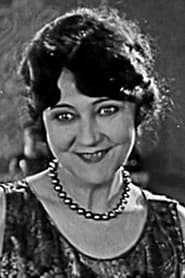
During the troubled shooting of several movies, David, the prop man's assistant, meets an aspiring actress who tries to find work in the studio. Things get messy when the stagehands decide to go on strike. Much of the film is slapstick comedy involving Chaplin manhandling large props, mishandling the control to a trap door, and engaging in a raucous pie-throwing fight which spills over into another studio where a period drama is being shot. In one scene Chaplin deftly carries 11 chairs over his back in his left hand and lifts a piano in his right hand.
Cast & crew
More films like this



More Comedy films
View all →







More from Charlie Chaplin
View all →


More about this film
About the production
Release dateNovember 13, 1916
Budget$20,000
Box officeUnknown - typical Mutual shorts earned substantial returns but specific figures not documented
ProductionMutual Film Corporation
Filmed inLone Star Studio, Los Angeles, California
Filmed during Chaplin's most productive period at Mutual, where he had complete creative control and substantial budgets. The film was shot on actual studio sets, giving it an authentic behind-the-scenes atmosphere. Chaplin utilized real studio equipment and props, many of which were repurposed from other productions. The strike sequence required extensive coordination between dozens of extras and carefully timed physical gags. Chaplin insisted on multiple takes of complex scenes, unusual for the era, to perfect the timing of the slapstick sequences.
Themes
Meta-cinema and self-reflexivityLabor relations and worker solidarityGender identity and disguiseThe chaos of creative productionRomance in unconventional circumstances
Themes & topics
film studiostrikedisguiseprop manaspiring actressslapstickpie fightgender bendingworkplace romancephysical comedybehind the sceneslabor disputechaossilent comedy
Historical background
Made in 1916, in United States, under Charlie Chaplin, Behind the Screen belongs to comedy film filmmaking amid the silent era's rapid stylistic experiments. Behind the Screen is a 1916 American silent short comedy film written by, directed by, and starring Charlie Chaplin, and also starring Eric Campbell and Edna Purviance.
Why this film matters
Within comedy film history, Charlie Chaplin's name attaches to the work; surviving prints help researchers study silent-era craft; 1916 short film by Charlie Chaplin.
Making of
Was created during what many consider Chaplin's artistic peak at Mutual Film Corporation, where he had unprecedented creative freedom and substantial budgets. The film's concept came from Chaplin's desire to satirize the film industry that had made him famous, using his insider knowledge to create authentic comedy about studio life. Chaplin worked closely with his regular team, including cinematographer Roland Totheroh and cameraman William 'Billy' Armstrong, to achieve the complex visual gags. The casting of Edna Purviance in a gender-bending role was considered daring for the time, but Chaplin trusted her ability to carry the comedic premise. The strike sequence required meticulous planning, with Chaplin choreographing dozens of extras through precise physical comedy routines. Production was temporarily halted when a real labor dispute occurred at the studio, adding an ironic layer of authenticity to the film's themes. Chaplin's perfectionism led him to reshoot several scenes multiple times, particularly the intricate pie fight sequence, which required careful timing to avoid injury while maintaining comedic effect.
What critics said
Contemporary reviews of Behind the Screen are sparse in open sources; later catalog entries chiefly summarize plot and credits.
Did you know?
- This was one of the first films to satirize the film industry itself, making it meta-cinematic before the term existed
- Edna Purviance's character disguises herself as a man, which was controversial for 1916 but allowed for gender-bending comedy
- One of Chaplin's most famous gags where he uses a pie as a weapon during a food fight that escalates into chaos
- Eric Campbell, who plays Goliath, was Chaplin's regular antagonist during the Mutual period, known for his imposing 6'5" frame
- The strike storyline reflected real labor tensions in Hollywood during the 1910s when studio workers were organizing for better conditions
- Chaplin reused some set pieces and props from his earlier Mutual films, demonstrating his efficient use of resources
- Shot in just 11 days, remarkably fast given its complex staging and large cast of extras
- A lost scene reportedly featured Chaplin parodying popular film directors of the time, but it was cut from the final version
- This was one of Chaplin's personal favorites from his Mutual period because it allowed him to comment on the industry he loved
- The pie fight scene was so elaborate that it took an entire day to film and required the preparation of over 100 cream pies
Visual style
The cinematography by Roland Totheroh demonstrates remarkable sophistication for 1916, utilizing complex camera movements and compositions that enhance the comedy. The film makes effective use of deep focus to capture multiple layers of action within the chaotic studio environment, allowing Chaplin to stage elaborate gags that play out across different planes of the frame. Totheroh employed tracking shots to follow characters through the bustling studio sets, creating a sense of immersive space that was unusual for the period. The lighting design carefully balances the practical illumination of studio sets with dramatic effects that highlight key comedic moments. The camera positioning during the strike sequence creates dynamic angles that emphasize the scale of the chaos while keeping Chaplin's character clearly visible. The pie fight scene is particularly notable for its use of slow-motion techniques to capture the flying projectiles in detail, a technical innovation that maximizes the visual comedy. The film's visual style successfully mimics documentary footage of actual film studios, lending authenticity to the satirical elements.
Innovations
Showcased several technical innovations that advanced the art of film comedy. The film's complex multi-level staging required sophisticated set design that could withstand the physical comedy while remaining structurally sound. Chaplin pioneered the use of long takes that followed characters through multiple rooms and sets, creating seamless comedic sequences without the jarring cuts common in contemporary films. The pie fight sequence required specially designed props and camera techniques to capture the flying projectiles in detail while protecting the equipment. The film's soundstage lighting was innovative for its ability to simulate natural studio conditions while maintaining proper exposure for the camera. The production employed early forms of stunt coordination, particularly in the scenes involving falling set pieces and collapsing structures. The makeup and costume design for Purviance's male disguise was technically sophisticated for the period, requiring careful application to be convincing on camera. The film's editing rhythm, particularly in the climactic sequences, demonstrated advanced understanding of comedic timing through cut duration and sequence pacing.
Music
As a silent film, Behind the Screen was originally accompanied by live musical performance, typically a piano or small orchestra in theaters. The score would have been compiled from popular classical pieces and original compositions by theater musicians, with specific musical cues timed to match the on-screen action. Chaplin himself composed musical themes for many of his Mutual films, though specific documentation of the original score for Behind the Screen is limited. Modern restorations typically feature newly commissioned scores that attempt to recreate the period-appropriate musical style while enhancing the film's comedic timing. Some contemporary screenings use Chaplin's own 1930s re-scoring approach, which he applied to many of his earlier films when sound technology became available. The musical accompaniment would have included popular songs of 1916, classical pieces by composers like Chopin and Beethoven, and original light comedy compositions. The tempo and style of the music would change to match the film's shifting moods, from romantic themes during David's encounters with the actress to frantic, percussive music during the slapstick sequences.
Famous quotes
(Intertitle) 'A Comedy of Studio Life'
(Intertitle) 'When the stagehands go on strike, everything goes wrong'
(Intertitle) 'She disguises herself as a man to get work in the studio'
(Intertitle) 'David falls for the new 'boy' on the set'
(Intertitle) 'Chaos reigns when the strike begins'
Memorable scenes
- The elaborate pie fight sequence that escalates from a simple food mishap into studio-wide chaos, featuring dozens of extras and meticulously timed physical gags
- Edna Purviance's transformation scene where she disguises herself as a man, complete with binding and costume changes that were daring for 1916
- The strike sequence where stagehands walk off the job, leaving Chaplin to handle all the technical work himself in increasingly comic fashion
- The romantic misunderstanding scenes where Chaplin courts Purviance believing she's a young man, creating awkward and hilarious situations
- The opening sequence showing the chaotic studio with multiple films being shot simultaneously, establishing the film's meta-cinematic premise
What audiences thought
Audiences in 1916 enthusiastically received Behind the Screen, with theaters reporting strong attendance and repeat viewings. The film's insider look at Hollywood production fascinated moviegoers, many of whom had never seen behind-the-scenes aspects of filmmaking. The gender-bending premise generated considerable discussion among audiences, though it was generally accepted as comedic entertainment rather than social commentary. The strike storyline resonated with working-class viewers who could relate to labor disputes, even if the film treated the subject lightly. The elaborate pie fight sequence became particularly famous, with audiences often requesting encores of this scene. Modern audiences continue to appreciate the film through screenings at film festivals and revival houses, where it typically draws crowds interested in classic cinema. Home video releases and streaming availability have introduced the film to new generations, with many viewers expressing surprise at its sophisticated humor and technical polish. Online film communities frequently discuss the movie's relevance to contemporary Hollywood issues, noting how little has changed in some aspects of film production. The film's relatively short running time makes it accessible to modern viewers unfamiliar with silent cinema, serving as an excellent introduction to Chaplin's work.
Film connections
Influenced by
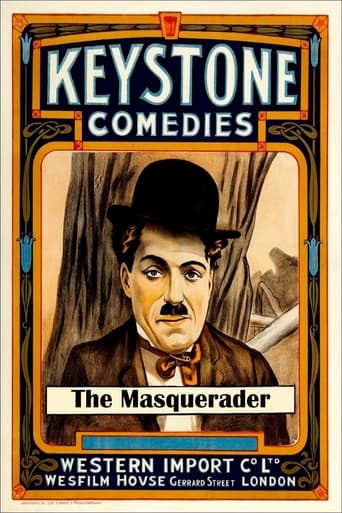
- Earlier Chaplin shorts like The Masquerader (1914) which also featured film industry satire
- Mack Sennett's Keystone comedies with their chaotic ensemble scenes
- French farce traditions of mistaken identity and disguise
- Contemporary labor movement narratives in popular culture
- Music hall and vaudeville traditions of physical comedy
This film influenced
- The Player (1992) - Hollywood satire tradition
- Singin' in the Rain (1952) - behind-the-scenes musical comedy
- Ed Wood (1994) - affectionate look at film production struggles
- Bowfinger (1999) - comedy about making movies
- The Disaster Artist (2017) - celebration of filmmaking chaos
- Tropic Thunder (2008) - meta-commentary on film production
Film restoration
Has been preserved in its entirety and is considered to be in good condition for a film of its era. The film was restored by the British Film Institute in the 1990s as part of their comprehensive Chaplin preservation project. The Museum of Modern Art in New York also maintains a high-quality print in their collection. The film exists in both 16mm and 35mm formats, with digital versions now available for streaming and home video. Some original nitrate footage was discovered in the 1970s, which helped create more complete versions of the film. The restoration process involved careful frame-by-frame cleaning and color grading to match the original aesthetic. The film is part of the Chaplin estate's official catalog and has been included in multiple DVD and Blu-ray collections of his Mutual period works.
Where to watch
- The Criterion Channel streaming service
- The Chaplin Official YouTube channel
- Kino Lorber's DVD/Blu-ray collection 'Chaplin Mutual Comedies'
- The British Film Institute's streaming service BFI Player
- MUBI streaming platform during special Chaplin retrospectives
- Public domain archives like Internet Archive
- Turner Classic Movies during silent film programming blocks
- The Museum of Modern Art's film screenings in New York