
Films
3 films
About Tom Wood
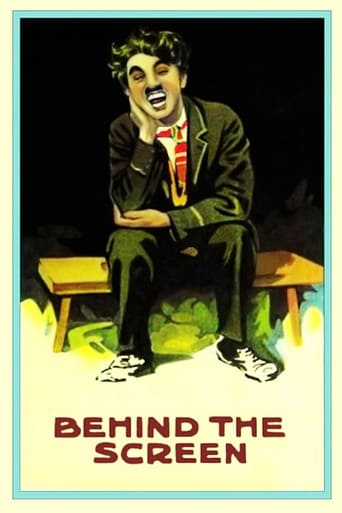
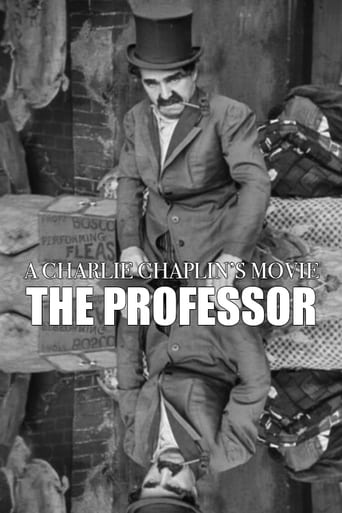
Small-role performer active during the silent-comedy period of American cinema, appearing in a handful of films associated with Charlie Chaplin's circle. His screen credits place him in the late teens of the 20th century, including appearances in Behind the Screen (1916), Easy Street (1917), and The Professor (1919), which suggests he worked as a supporting player or extra rather than a featured star. Like many players from the early studio era, he left behind very little personal documentation, and no reliable record survives that firmly identifies his life outside these film appearances. He is best remembered by film historians primarily because he is part of the cast history surrounding some of Chaplin's most studied two-reel comedies. His career appears to have been brief and limited to the silent era, with no confirmed evidence of a transition into feature stardom or sound-film work. Because the surviving record is sparse, many details of his biography, including birth, death, and family life, remain unavailable or unverified. Even so, his credits place him within creative ecosystems in early Hollywood, where dozens of minor performers contributed to the texture of classic slapstick comedy.
The Craft
On Screen
No detailed contemporary criticism of Tom Wood's technique survives, but his work appears to have been that of a supporting silent-comedy player, likely relying on physical presence, expressive reaction, and broad visual timing rather than dialogue. In Chaplin-era shorts, such performers were expected to support gags, crowd scenes, and comic business with economical gestures and clear facial expression. His screen identity, as preserved through surviving credits, is associated more with ensemble contribution than with individualized star performance. As a result, his acting style can only be inferred from the conventions of the films in which he appeared.
Milestones
- Appeared in Charlie Chaplin's Behind the Screen (1916), a key silent two-reeler from Chaplin's Mutual period
- Appeared in Easy Street (1917), one of Chaplin's best-known and most frequently studied comedies
- Appeared in The Professor (1919), connecting him to the late silent-comedy era
- Worked in the orbit of early slapstick filmmaking during the height of the short-subject comedy boom
- Maintained a screen presence in films that are now preserved as part of the silent-film canon
Best Known For
Iconic Roles
Must-See Films
Working Relationships
Worked Often With
Studios
Why They Matter
Impact on Culture
Tom Wood's cultural impact is indirect but still meaningful within silent-cinema history. Performers like him formed the essential background cast that gave Chaplin's comedies their crowded, lived-in quality and helped make the gags feel spontaneous and socially textured. While he was not a star who shaped public taste in the way Chaplin did, he participated in films that became foundational texts in the study of screen comedy. His appearances help document the broader labor ecosystem of early Hollywood, where many unheralded actors contributed to the development of cinematic language.
Lasting Legacy
Tom Wood's legacy lies primarily in preservation and documentation rather than fame. He survives in film history as one of many names attached to canonical silent shorts, showing how important even small supporting roles were to the success of early comedy production. For scholars and enthusiasts, his credits are valuable because they help reconstruct the personnel surrounding Chaplin and the broader silent-era ensemble system. Although he did not leave behind a widely recognized star persona, his filmography ensures that his name remains part of the archival record of classic American cinema.
Who They Inspired
There is no evidence that Tom Wood directly influenced major later performers or filmmakers in a documented way. His influence is best understood collectively: he was part of the generation of anonymous or semi-anonymous actors whose physical, adaptable performances established the conventions of ensemble silent comedy. These background and supporting performers helped define timing, crowd choreography, and reaction playing in early film comedy. In that sense, his work belongs to the broader tradition that later comic actors inherited from the silent era.
Off Screen
No reliable biographical record has been found regarding Tom Wood's personal life. His marriages, family background, residence, and activities outside the film industry are not documented in the surviving mainstream film-history sources consulted for classic-era players of this type. Because he appears to have been a minor supporting performer, it is likely that he did not receive the press attention afforded to stars, which explains the absence of personal details in standard references. Any further claims about his private life would be speculative.
Did You Know?
- He is associated with three notable silent-era comedies that were part of Charlie Chaplin's early body of work.
- His surviving career record is extremely brief, which is common for minor silent-era performers whose work was not heavily publicized.
- He should not be confused with later stage, television, or contemporary performers with the same name.
- His credits place him in films that are now widely studied by historians of slapstick and early screen performance.
- Because he worked in the silent era, his surviving legacy depends almost entirely on film credits rather than interviews or publicity material.
- He appears to have been active only during the late 1910s, with no confirmed later screen career.
Frequently Asked Questions
Who was Tom Wood?
Silent-era with credits in this catalog. He appears to have been a supporting performer rather than a star, and surviving records about his life are extremely limited.
What films is Tom Wood best known for?
Titles linked here include Behind the Screen (1916), Easy Street (1917).
When was Tom Wood born and when did he die?
His birth and death dates are not currently documented in reliable accessible sources. The surviving record confirms only his screen activity between 1916 and 1919.
What awards did Tom Wood win?
No awards or nominations are known for Tom Wood. As a minor silent-era supporting actor, he worked before the major award culture of later Hollywood had fully developed.
What was Tom Wood's acting style?
His exact style is not described in surviving criticism, but as a silent-comedy performer he would have relied on physical expression, facial reactions, and clear visual timing. In Chaplin-era films, supporting players were expected to enhance the comic action and respond naturally to slapstick situations.
What is Tom Wood's legacy in film history?
His legacy is that of a participating figure in the silent-comedy world rather than a major star. He remains part of the archival record surrounding some of Chaplin's important short films, which gives him a small but definite place in classic cinema history.