
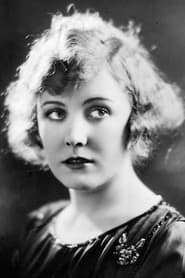

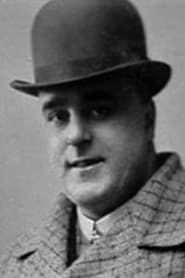
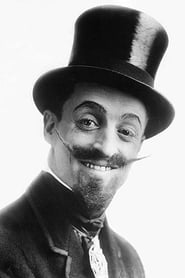
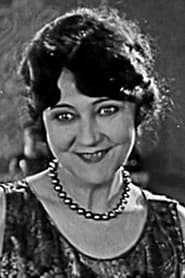
The Fireman
"Arson for the insurance payout"
Keys: Space play/pause · ←/→ 10s · F fullscreen · M mute · </> speed
About this film
Firefighter Charlie Chaplin is tricked into letting a house burn by an owner scheming to collect insurance money.
Cast & crew
More films like this
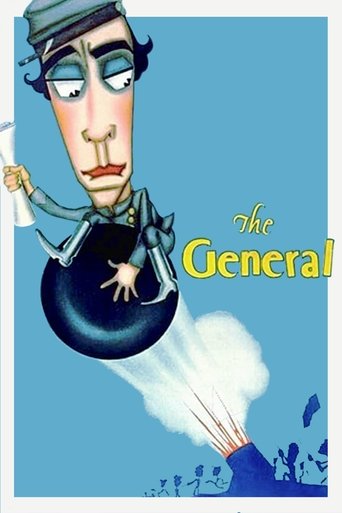

More Comedy films
View all →






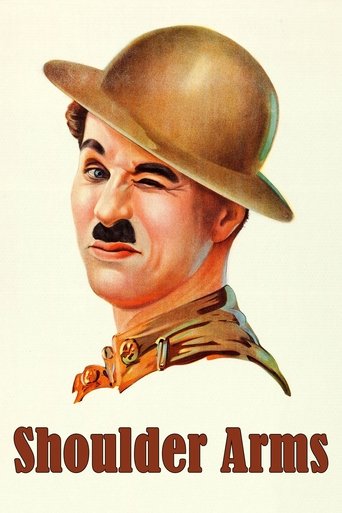
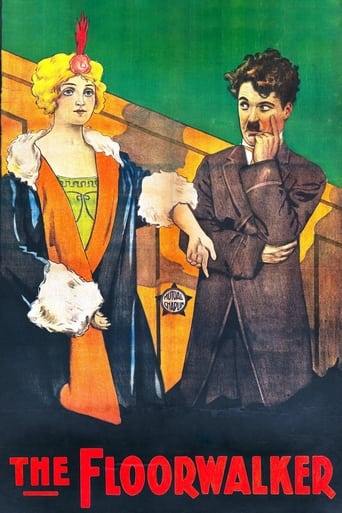
More from Charlie Chaplin
View all →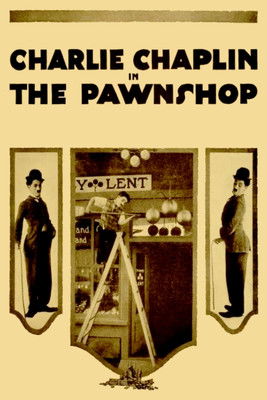


More about this film
About the production
Release dateJune 12, 1916
ProductionMutual Film Corporation
Filmed inLos Angeles, California, USA
This was one of twelve films Chaplin produced for Mutual Film Corporation during his most creative period. Chaplin had complete artistic control and a budget of $670,000 for all twelve films, giving him unprecedented freedom. The fire scenes were filmed using real fire equipment and actual flames, making the production dangerous for the cast and crew. Chaplin insisted on performing many of his own stunts, including scenes involving fire and collapsing structures.
Themes
Workplace incompetenceRomantic pursuitUrban chaosClass differencesHeroism vs. reality
Themes & topics
Historical background
Mutual's 1916 two-reeler belongs to Chaplin's most prolific and inventive period before he built his own studio.
Why this film matters
Combines slapstick firehouse gags with darker satire of property fraud, showing the Tramp's range beyond pure sentiment.
Making of
The production of 'The Fireman' took place during Chaplin's golden period at Mutual Film Corporation, where he had complete creative control and substantial resources. Chaplin was meticulous in his preparation, often spending weeks developing gags and storylines before filming began. The fire sequences posed significant challenges, requiring careful coordination between the film crew and actual fire safety personnel. Chaplin insisted on authenticity, using real fire equipment and actual flames rather than relying on special effects. The famous sliding pole sequence required multiple takes to perfect, with Chaplin suffering minor burns during filming. Edna Purviance, who had been discovered by Chaplin just two years earlier, was developing into a more confident actress under his direction. The film's production schedule was intense but efficient, with Chaplin often working 12-14 hour days to achieve his vision.
What critics said
Exhibitors ordered prints in large numbers; it remains a staple of Chaplin compilations.
Did you know?
- This was the second film Chaplin made for Mutual Film Corporation out of his twelve-film contract
- The fire engine used in the film was an authentic 19th-century horse-drawn apparatus
- Lloyd Bacon, who played the villain, later became a successful Hollywood director, directing films like '42nd Street'
- Edna Purviance was Chaplin's regular leading lady during this period and appeared in 35 of his films
- The film was shot in just three weeks, typical of Chaplin's efficient production schedule at Mutual
- Chaplin received a salary of $10,000 per week plus a $150,000 bonus during his Mutual period
- The insurance fraud plot was inspired by real cases that were common during the early 20th century
- The fire scenes required special permission from Los Angeles city officials due to the danger involved
- Chaplin reused some gags from his earlier Keystone film 'The Fireman' (1916), but completely reworked the story
- The film's success helped establish Chaplin as the highest-paid entertainer in the world by 1917
Visual style
The cinematography by Roland Totheroh and William H. Daniels the technical sophistication of Mutual Film Corporation productions. The fire sequences were particularly innovative, using multiple cameras to capture the action from different angles and creating a sense of spectacle rarely seen in comedy shorts of the period. The use of deep focus allowed for complex staging of gags in the foreground and background simultaneously. The film employed careful lighting techniques to enhance the dramatic effect of the fire scenes while maintaining visibility of Chaplin's performance. The camera work during the sliding pole sequence was groundbreaking for its time, using dynamic angles to emphasize the physical comedy.
Innovations
The Fireman featured several technical innovations for its time, particularly in the filming of fire sequences. The production used specialized fire-resistant cameras and protective equipment to capture scenes with actual flames. The film employed early forms of stunt coordination, particularly in the sequences involving falling debris and collapsing structures. The sliding pole sequence required precise timing and engineering to ensure safety while maintaining comedic effect. The film's editing was more sophisticated than many contemporary shorts, using cross-cutting between different action sequences to build tension and comedy. The production also pioneered safety protocols for filming with fire that would influence later film productions.
Music
As a silent film, The Fireman was originally accompanied by live musical performances in theaters. Chaplin himself composed a specific score for the film later in his career, which included both original compositions and adaptations of popular songs of the era. The score typically featured frantic, energetic music during the comedy sequences and more romantic themes during the scenes with Edna Purviance. Fire-related musical motifs were used to enhance the dramatic fire sequences. Modern restorations of the film often use Chaplin's later score or newly composed music that attempts to recreate the authentic silent film experience.
Famous quotes
(As a silent film, dialogue was conveyed through intertitles and physical comedy rather than spoken quotes)
Memorable scenes
- The iconic sliding pole sequence where Charlie struggles to use the fire station pole, resulting in a series of comedic falls and tangles. The spectacular fire sequence where Charlie attempts to fight the burning house while accidentally causing more destruction. The romantic scene where Charlie tries to impress Edna by showing off his firefighting skills, only to fail comically. The opening sequence at the fire station showing the chaotic morning routine and Charlie's lazy approach to his duties.
What audiences thought
The Fireman was enormously popular with audiences upon its release, playing to packed theaters across America and Europe. Contemporary reports described audiences laughing continuously throughout the film and giving it standing ovations. The film's combination of spectacular fire effects with Chaplin's comedy proved to be a winning formula. Many theaters reported that they had to add additional showings to meet demand. The film was particularly popular with working-class audiences who could relate to the depiction of emergency services and urban life. International audiences also embraced the film, demonstrating Chaplin's growing global appeal. The film's success contributed significantly to Chaplin's status as the world's first true movie star.
Film connections
Influenced by
- Keystone comedy style
- Mack Sennett productions
- French comedy films
- Music hall traditions
- Circus clown routines
This film influenced
- The Fire Brigade (1926)
- Fireman Save My Child (1932)
- Backdraft (1991)
- The Towering Inferno (1974)
- Rush Hour (1998)
Film restoration
The Fireman is well-preserved and has been restored by several film archives, including The Criterion Collection and the Chaplin Estate. Multiple high-quality versions exist, including those restored by the British Film Institute and Cineteca di Bologna. The film has survived in its complete form and is considered one of the best-preserved of Chaplin's Mutual shorts. Digital restorations have cleaned up damage and improved image and sound quality for modern viewing.
Where to watch
- The Criterion Channel
- The Chaplin Collection DVD/Blu-ray sets
- Kino Lorber DVD releases
- MUBI streaming service
- Various public domain archives
- Film museum screenings
- The Museum of Modern Art's film collection
- UCLA Film & Television Archive