


A Jitney Elopement
"Lovers flee an arranged match in a wild jitney chase"
Keys: Space play/pause · ←/→ 10s · F fullscreen · M mute · </> speed
About this film
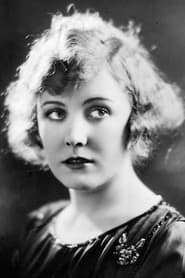
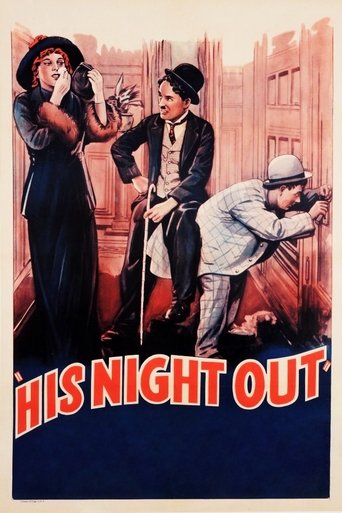
Charlie Chaplin and Edna Purviance play lovers fleeing her father's arranged match. After Chaplin steals her away, a jitney of pursuers chases them through San Francisco, including Golden Gate Park and its west-side windmills.
Cast & crew
More films like this
More Comedy films
View all →







More from Charlie Chaplin
View all →


More about this film
About the production
Release dateMay 13, 1915
ProductionEssanay Film Manufacturing Company
Filmed inLos Angeles, California, Essanay Studios at Niles, California
This film was one of the last Chaplin made for Essanay before moving to Mutual. The jitney (an early type of taxi or share taxi) was a relatively new form of transportation in 1915, making the film contemporary with emerging urban transportation. The pier sequence required careful timing and was considered ambitious for its time. Chaplin was known for his meticulous attention to detail and often required multiple takes to achieve his desired comedic timing.
Themes
Class conflictRomantic rebellionImpersonation and deceptionParental authority vs. individual choiceUrban modernization
Themes & topics
elopementimpersonationchaseclass differencescomedysilent filmslapstickromancedeceptionautomobilespierpolicecountmarriage
Historical background
A Jitney Elopement (1915) circulated in the silent era. Chaplin and Edna Purviance play lovers, with Purviance wanting Chaplin to take her away from an arranged marriage her father had planned for her. Contemporary trade papers and later preservation notes document its place among nickelodeon and cinema-club programs.
Why this film matters
A Jitney Elopement remains accessible to researchers and viewers as a screen title in museum, archive, and streaming collections. Programmers cite it when tracing regional production history and surviving early prints.
Making of
The production of 'A Jitney Elopement' took place during a transitional period in Chaplin's career as he was preparing to leave Essanay Studios for the more lucrative Mutual Film Corporation. Chaplin was given significant creative control at Essanay, allowing him to develop his unique blend of slapstick comedy and pathos. The film's chase sequence was particularly challenging to film, requiring precise coordination between multiple actors, vehicles, and camera positions. Chaplin, known for his perfectionism, reportedly insisted on numerous takes to ensure the timing of the gags was perfect. The pier scene was especially risky, as the early automobiles of the era were difficult to control, and the water sequence required careful planning to avoid accidents. The film showcases Chaplin's evolving filmmaking techniques, including more sophisticated camera work and editing than his earlier Keystone films.
What critics said
Day-one reviews for A Jitney Elopement are sparse in digitized press archives; later criticism treats it as a reference point for 1915 cinema programming and preservation.
Did you know?
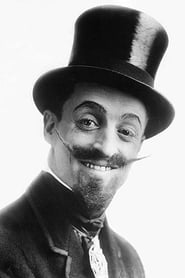
- This was the first of only two films Chaplin made featuring the character 'Count He-Ha', with the second being 'The Count' (1916) made for Mutual.
- The term 'jitney' referred to a type of share taxi that was popular in American cities from about 1914 to 1916, making the film very contemporary when released.
- Edna Purviance, who plays the female lead, was discovered by Chaplin and became his leading lady in over 30 films from 1915 to 1923.
- The pier sequence was filmed at the Niles Essanay studio location, which had a waterfront area suitable for the scene.
- This film was released during Chaplin's most prolific period, when he was making dozens of short comedies per year.
- The chase scene featuring multiple pursuers became a signature element in many of Chaplin's films.
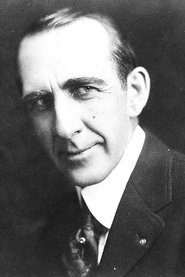
- Ernest Van Pelt, who plays the father, was a regular supporting actor in Chaplin's Essanay films.
- The film was shot in just a few days, typical of the rapid production schedule of the era.
- Chaplin's character's impersonation of the Count showcases his ability to play multiple personas within a single film.
- The original film featured tinted scenes, with different colors used to indicate different times of day or moods.
Visual style
The cinematography by Roland Totheroh and Harry Ensign showcases the evolving visual sophistication of Chaplin's films. The camera work includes more dynamic movement than earlier Chaplin comedies, particularly during the chase sequences. The film uses varying shot distances to emphasize both physical comedy and emotional moments. The dinner scene features careful composition to highlight the class differences and Charlie's awkward impersonation. The pier sequence employs wide shots to capture the scale of the action and the multiple vehicles involved. The original release likely featured tinting to enhance mood and distinguish between interior and exterior scenes, a common practice in the mid-1910s.
Innovations
The film demonstrates several technical advances for its time, including more sophisticated editing techniques during the chase sequence. The coordination of multiple moving vehicles and actors required careful planning and execution, representing an advancement in action comedy staging. The pier sequence involved complex logistics and timing, showcasing the growing technical capabilities of film production. The film also shows improved continuity editing compared to earlier comedies, with clearer spatial relationships between characters and environments. Chaplin's use of close-ups for emotional emphasis was becoming more refined, though still less frequent than in dramatic films of the period.
Music
As a silent film, 'A Jitney Elopement' originally had no synchronized soundtrack. However, it would have been accompanied by live music in theaters, typically piano or organ. The musical accompaniment would have been improvised or based on cue sheets provided by the studio, with different themes for the romantic scenes, comic moments, and chase sequences. Modern restorations often feature newly composed scores that attempt to capture the spirit of the period while enhancing the film's emotional and comedic beats. The music would have been crucial in establishing the tone and pacing of the film, especially during the extended chase sequence.
Famous quotes
(Silent film - no dialogue, but famous visual gags include Charlie's awkward aristocratic bow and the spectacular pier crash sequence)
Memorable scenes
- The dinner scene where Charlie impersonates Count He-Ha, struggling with aristocratic manners while trying to maintain his disguise
- The moment when the real Count arrives, exposing Charlie's deception and causing chaos
- The extended chase sequence through the streets with multiple pursuers
- The climactic scene where all pursuers drive off the pier into the water in a spectacular comedic disaster
What audiences thought
The film was very popular with audiences upon its release, as Chaplin had become one of the biggest box office draws of the era. Movie theaters often advertised Chaplin films prominently, and audiences would specifically seek out his latest releases. The elopement theme and the spectacular chase sequence were particularly well-received by viewers of the time. The film's success contributed to Chaplin's growing fame and helped establish him as the premier comedian of the silent era. Audience reactions were typically enthusiastic, with reports of laughter throughout screenings, especially during the climactic pier scene.
Film connections
Influenced by
- Mack Sennett's Keystone comedies
- French and Italian slapstick films
- Music hall and vaudeville traditions
- Max Linder's comedies
This film influenced
- The Count (1916)
- The Immigrant (1917)
- The Kid (1921)
- City Lights (1931)
- Modern chase comedies
Film restoration
The film is preserved and available through various archives. The Library of Congress maintains a copy in their collection. Several restored versions exist, with some featuring tinted scenes as in the original release. The film has survived in good condition compared to many films of the era, likely due to Chaplin's careful preservation of his work. Digital restorations have been made available through various home media releases and streaming platforms.
Where to watch
- The Criterion Channel
- YouTube (public domain versions)
- The Internet Archive
- Various DVD/Blu-ray collections of Chaplin's Essanay films
- Kino Lorber's Chaplin Essanay Collection
- Flicker Alley streaming service