


By the Sea
"Fight under pressure"
Keys: Space play/pause · ←/→ 10s · F fullscreen · M mute · </> speed
About this film
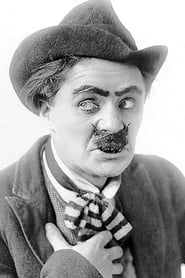
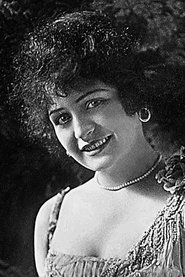
It is windy at a bathing resort. After fighting with one of the two husbands, Charlie approaches Edna while the two husbands themselves fight over ice cream. Driven away by her husband, Charlie turns to the other's wife.
Cast & crew
More films like this
More Comedy films
View all →







More from Charlie Chaplin
View all →


More about this film
About the production
Release dateApril 29, 1915
ProductionEssanay Film Manufacturing Company
Filmed inLos Angeles, California, San Pedro, California
This was one of twelve short comedies Chaplin made for Essanay Studios during his one-year contract in 1915. The film was shot on location at the seaside to capture authentic coastal atmosphere, which was somewhat unusual for the period when most films were shot on studio backlots. The windy conditions proved challenging for the production but ultimately enhanced the comedic effect of the film.
Themes
Comedy of errorsSocial disruptionClass conflictCourtship and romanceVacation and leisure
Themes & topics
Historical background
By the Sea (1915) emerged during the silent era before feature-length dominance, when exhibition habits and national film industries were still taking shape.
Why this film matters
By the Sea remains accessible through digital archives, giving modern viewers a direct link to 1915 screen culture.
Making of
The production of 'By the Sea' took place during a particularly creative period in Chaplin's career when he was rapidly developing his Tramp character. Filming at an actual beach location presented challenges for the crew, including dealing with unpredictable weather and protecting the expensive film equipment from sand and saltwater. Chaplin was known for his meticulous attention to detail and would often shoot dozens of takes of simple gags to perfect the timing. The ice cream cone sequence reportedly took several hours to film as Chaplin experimented with different ways to make the melting treat create maximum comedic effect. The film was made during Chaplin's contentious time with Essanay Studios, as he was already planning to leave for a more lucrative contract with Mutual Films.
What critics said
Trade and revival screenings have kept By the Sea (1915) on the map for collectors and scholars rather than mass first-run promotion.
Did you know?
- This was one of the few Chaplin films that featured his real-life brother Sydney Chaplin in a minor uncredited role as one of the beachgoers.
- The film was shot in just two days, which was typical for Chaplin's short comedies of this period.
- Billy Armstrong, who plays one of the husbands, was a regular collaborator with Chaplin at Essanay and appeared in several of his films.
- Margie Reiger, who plays one of the wives, was a stage actress before transitioning to films and this was one of her earliest screen appearances.
- The ice cream cone gag was considered somewhat risqué for 1915, as ice cream cones were still relatively new and not commonly depicted in films.
- Chaplin reused the seaside setting in several later films, most notably in his 1917 feature 'The Immigrant'.
- The film was originally titled 'The Seaside' but was changed to 'By the Sea' just before release.
- Only one print of the film was known to survive for many decades, until a second copy was discovered in a European archive in the 1970s.
- The windy beach setting was achieved using large fans and wind machines, some of the earliest uses of such equipment in filmmaking.
- Chaplin reportedly got seasick during filming despite being on the beach rather than on water.
Visual style
The cinematography by Harry Ensign and Roland Totheroh made effective use of the natural seaside location, incorporating the ocean and sky as visual elements in the comedy. The camera work was relatively static, typical of the period, but the filmmakers took advantage of the wide open spaces of the beach to allow for more expansive physical comedy sequences. The use of natural light created a bright, cheerful atmosphere that contrasted nicely with the chaotic action. The windy conditions, while challenging for the production, added visual interest with blowing sand and clothing, enhancing the comedic effect.
Innovations
While not groundbreaking technically, 'By the Sea' demonstrated Chaplin's growing sophistication in using location shooting to enhance comedy. The film's use of wind machines to create the breezy beach atmosphere was relatively innovative for the time. The editing by Chaplin himself showed improved pacing and rhythm compared to his earlier work, with better integration of multiple gags into a cohesive narrative. The film also demonstrated Chaplin's mastery of the two-reel format, using the extended running time to develop slightly more complex situations than in his earlier one-reel shorts.
Music
As a silent film, 'By the Sea' would have been accompanied by live music in theaters during its original release. The typical score would have been provided by a house pianist or small orchestra, often using popular songs of the day and classical pieces appropriate to the action. For the seaside setting, music hall songs about the beach or nautical themes might have been used. Modern restorations of the film have been scored by various composers, including Carl Davis, who created a period-appropriate score that captures the playful, breezy atmosphere of the original.
Famous quotes
(Intertitle) The Tramp: 'A fine day for the sea... if you're a fish!'
Memorable scenes
- The iconic ice cream cone sequence where Chaplin struggles to eat his melting treat while being hassled by the two jealous husbands, creating a masterful display of physical comedy as the ice cream drips and splatters in increasingly ridiculous ways.
What audiences thought
The film was well-received by audiences in 1915, who were eager for new Chaplin comedies following his massive success with 'The Tramp' earlier that year. The seaside setting was particularly popular with urban audiences who dreamed of beach vacations. Contemporary theater owners reported good attendance for the film, with many noting that it played well in both urban and rural venues. Modern audiences who view the film in retrospectives and Chaplin festivals generally appreciate it as an example of early Chaplin work, though it's often overshadowed by his more famous later films.
Film connections
Influenced by
- Mack Sennett comedies
- Music hall tradition
- French farce
- Commedia dell'arte
This film influenced
- The Rink (1916)
- The Immigrant (1917)
- The Circus (1928)
- Modern Times (1936)
Film restoration
The film is preserved in the collections of the Library of Congress and the British Film Institute. Multiple prints exist, though some show varying degrees of deterioration. The film has been restored several times, most recently in 2012 as part of the Chaplin at Essanay collection restoration project. The restored versions feature improved image stability and corrected frame rates that better reflect the original projection speed.
Where to watch
- The Criterion Channel
- The Chaplin Archive (official)
- Kino Lorber DVD collection 'Chaplin at Essanay'
- YouTube (official Chaplin uploads)
- Mubi streaming service