Wheeler Dryden
Actor
Born: August 31, 1892 in London, England Died: September 30, 1957 Active: 1922-1957
Films
1 film
About Wheeler Dryden
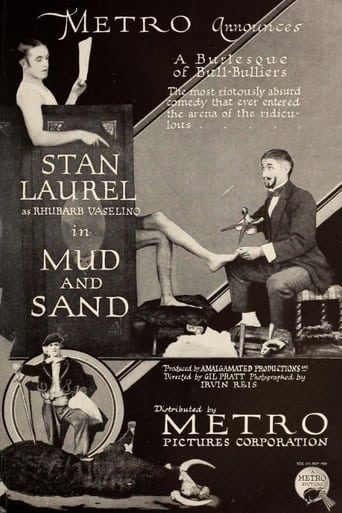
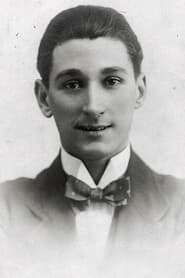
Wheeler Dryden was born as the third son of Hannah Chaplin and music hall entertainer Leo Dryden, making him the half-brother of the Charlie Chaplin. His early life was marked by separation when his father abducted him at age 3 after discovering Hannah was pregnant with Charlie, taking him to South Africa where he was raised by his father and stepmother. Wheeler spent his formative years in South Africa before eventually moving to the United States in the early 1920s, where he dramatically reunited with his famous half-brother whom he hadn't seen since infancy. His brief acting career included a notable appearance in 'Mud and Sand' (1922), a Chaplin-produced parody of Rudolph Valentino's 'Blood and Sand.' Beyond his limited screen work, Wheeler became an integral part of Chaplin's business operations, serving as his business manager and assistant director on several productions. He in managing Chaplin Studios and handling the complex financial affairs of his internationally famous brother. Wheeler remained a trusted confidant and family member throughout Chaplin's life, eventually becoming the guardian of Chaplin's legacy after his death. His life story represents a fascinating footnote in Hollywood history, highlighting the complex family dynamics behind one of cinema's greatest icons.
The Craft
On Screen
Appeared primarily in comic roles within the Chaplin production style, characterized by physical comedy and exaggerated expressions typical of silent film era parody
Milestones
- Reunited with long-lost half-brother Charlie Chaplin in the 1920s
- Appeared in 'Mud and Sand' (1922)
- Became Charlie Chaplin's business manager
- Served as assistant director on Chaplin films
- Managed Chaplin Studios operations
- Became guardian of Chaplin's legacy after Charlie's death
Best Known For
Iconic Roles
Must-See Films
Accolades
Special Recognition
- Recognized as integral part of Charlie Chaplin's production team
- Honored in Chaplin family biographies and documentaries
Working Relationships
Worked Often With
Studios
Why They Matter
Impact on Culture
Wheeler Dryden's cultural impact, while not as direct as his famous half-brother's, is significant in the context of Hollywood history and the Chaplin legacy. His story represents. As Charlie Chaplin's business manager, he played a crucial role in maintaining the financial and operational stability of one of Hollywood's most important independent production companies during the golden age of cinema. His management of Chaplin Studios helped preserve the creative independence that allowed Chaplin to produce some of his most masterful works without studio interference. The Dryden family connection also extended into rock music history through his son Spencer Dryden, creating an interesting cultural bridge between silent film and 1960s counter-culture. Wheeler's life story has been documented in numerous Chaplin biographies and shows the complex family dynamics behind Hollywood's greatest stars.
Lasting Legacy
Wheeler Dryden's legacy is primarily preserved through his connection to Charlie Chaplin and his role in maintaining the Chaplin empire during its most productive years. While his own film career was brief, his contributions as business manager and trusted confidant were invaluable to the preservation and continuation of Chaplin's artistic vision. He helped navigate the complex business challenges of independent film production during Hollywood's studio era, including Chaplin's controversial political troubles and eventual exile from the United States. His stewardship of Chaplin's affairs ensured that his brother's films and reputation would be properly managed and preserved for future generations. The Dryden family name continues to have cultural resonance through Spencer Dryden's contributions to American rock music, creating an unexpected but fascinating legacy that bridges two very different eras of American entertainment. Wheeler's life story remains a compelling footnote in Hollywood history, illustrating the personal dramas and family bonds behind the glamour of the golden age of cinema.
Who They Inspired
Wheeler Dryden's influence was primarily administrative and organizational rather than artistic, though his management style influenced how independent film production companies could operate successfully within the Hollywood system. His business acumen helped establish models for artist-owned production companies that would inspire later independent filmmakers. Through his son Spencer, his family influence extended into the music world, where Spencer's innovative drumming style influenced the development of psychedelic rock in the 1960s. Wheeler's approach to managing Chaplin's complex international business affairs demonstrated how creative artists could maintain control over their work while navigating the commercial demands of the film industry. His loyalty and discretion in handling Chaplin's personal and professional matters set standards for personal management in Hollywood that emphasized trust and family bonds over purely business relationships.
Off Screen
Wheeler Dryden's personal life was defined by his unusual family circumstances and eventual reunion with his famous half-brother. After being separated from his mother and half-siblings in infancy, he was raised in South Africa by his father Leo Dryden and stepmother. Upon reuniting with Charlie Chaplin in the 1920s, he became deeply integrated into the Chaplin family circle, both professionally and personally. He married Alice Chappell, with whom he had children, including Spencer Dryden who would later become famous as the drummer for Jefferson Airplane. Wheeler maintained a close relationship with Charlie throughout his life, serving not only as a business associate but as a trusted family member. His later years were spent managing Chaplin's affairs and preserving his brother's artistic legacy.
Education
Limited formal education due to his unusual upbringing; primarily educated in South Africa during his childhood years
Family
- Alice Chappell (married date unknown-1957)
Did You Know?
- Was abducted by his father at age 3 and didn't see his mother or half-siblings for over 20 years
- His half-brother Charlie Chaplin initially didn't believe he was related when they first met
- Appeared in only one known film, 'Mud and Sand,' which was a parody of Rudolph Valentino's 'Blood and Sand'
- His son Spencer Dryden was the original drummer for Jefferson Airplane
- Managed Chaplin's business affairs during Charlie's controversial political troubles in the 1940s and 1950s
- Was instrumental in helping Chaplin establish his production company and studio
- Spent part of his childhood in South Africa, giving him a unique perspective compared to his British-born siblings
- Served as a bridge between the old world of silent film and the new world of rock and roll through his son
- Was one of the few people Charlie Chaplin truly trusted with his personal and business affairs
- Helped manage the complex legal and financial issues when Chaplin was forced to leave the United States
- His reunion with Charlie Chaplin was arranged through a series of coincidences and mutual acquaintances
In Their Own Words
On reuniting with Charlie Chaplin: 'When I finally met my famous brother, it was like meeting a stranger who somehow felt like family all at once.'
On working with Chaplin: 'Managing Charlie's affairs was like trying to organize chaos - brilliant, creative chaos, but chaos nonetheless.'
On his brief acting career: 'I was never meant to be in front of the camera; my role was always to be behind the scenes, making things work.'
Frequently Asked Questions
Who was Wheeler Dryden?
Wheeler Dryden was Charlie Chaplin's half-brother who worked as his business manager and appeared in one film, 'Mud and Sand' (1922). He was separated from his family as a child and reunited with Chaplin as an adult, becoming a trusted associate in managing Chaplin's business affairs and film production company.
What films is Wheeler Dryden best known for?
Titles linked here include Mud and Sand (1922).
When was Wheeler Dryden born and when did he die?
Born August 31, 1892; died September 30, 1957.
What was Wheeler Dryden's relationship to Charlie Chaplin?
Wheeler Dryden was Charlie Chaplin's half-brother, sharing the same mother Hannah Chaplin but having different fathers. They were separated in childhood when Wheeler's father abducted him, and they didn't reunite until Wheeler was an adult in the 1920s.
Did Wheeler Dryden have any famous children?
Yes, Wheeler Dryden's son Spencer Dryden became famous as the original drummer for the influential rock band Jefferson Airplane and later Jefferson Starship, making the Dryden family notable in both film and music history.
What was Wheeler Dryden's role in Charlie Chaplin's career?
Wheeler Dryden served as Charlie Chaplin's business manager and trusted confidant, handling the complex financial and operational aspects of Chaplin's independent film production company. He also worked as assistant director on several Chaplin films and managed Chaplin Studios.