Films
2 films
About Sam Kaufman
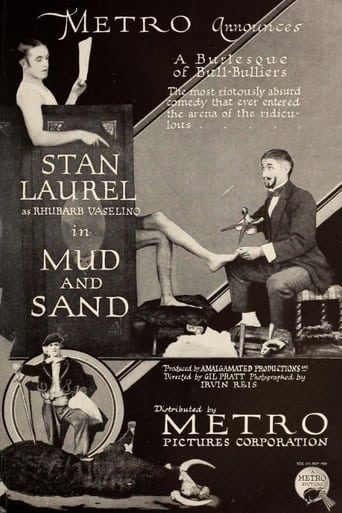
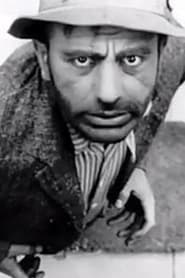
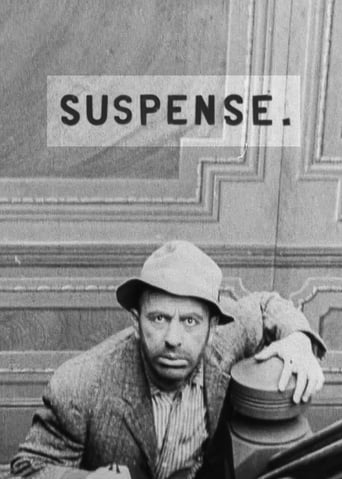
American actor who worked during the silent film era, appearing in films between 1913 and 1922. His most significant known work was in the 1913 film 'Suspense,' directed by Lois Weber and Phillips Smalley, which is celebrated for its innovative cinematic techniques including split-screen effects and dramatic camera angles. Kaufman also appeared in 'Mud and Sand' (1922), a parody of Rudolph Valentino's 'Blood and Sand' starring Stan Laurel before his famous partnership with Oliver Hardy. Like many actors of the early silent period, Kaufman's career appears to have been relatively brief and consisted primarily of supporting or character roles. The limited documentation of his filmography suggests he was likely a working actor rather than a star, contributing to the burgeoning film industry during its formative years. His nearly a decade, ending as the silent era was transitioning toward sound cinema.
The Craft
Milestones
- Appeared in the film 'Suspense' (1913)
- Worked with early cinema innovators Lois Weber and Phillips Smalley
- Appeared in Stan Laurel comedy 'Mud and Sand' (1922)
- Contributed to silent era cinema during its formative period
Best Known For
Must-See Films
Working Relationships
Worked Often With
Why They Matter
Impact on Culture
While Sam Kaufman himself was not a major star, his participation in 'Suspense' (1913) connects him to an important milestone in early American cinema. 'Suspense' is now recognized as a groundbreaking film that pushed the boundaries of cinematic technique with its innovative use of split screens, extreme close-ups, and dynamic camera movement. As an actor in this work, Kaufman contributed to the development of film language that would influence generations of filmmakers. His appearance in 'Mud and Sand' (1922) also places him within the context of early comedy development, working with Stan Laurel before his legendary partnership with Oliver Hardy.
Lasting Legacy
Sam Kaufman represents the countless working actors who populated the early film industry but whose names have largely faded from historical memory. His legacy is tied to the preservation of early cinema history and the recognition that film art was built upon the contributions of many individuals beyond the famous stars. His appearance in historically significant films like 'Suspense' ensures that his name, however obscure, remains part of the permanent record of American film history.
Who They Inspired
As a supporting actor during the silent era, Kaufman's direct influence on other performers is not documented. However, his participation in innovative films contributed to the evolving language of cinema that would influence future generations of actors and filmmakers. The techniques used in 'Suspense' helped establish new ways of visual storytelling that actors would need to adapt to in their performances.
Did You Know?
- 'Suspense' (1913) is now considered
- The film 'Suspense' was co-directed by Lois Weber, one of the first prominent female film directors
- 'Mud and Sand' (1922) was a parody of the popular Rudolph Valentino film 'Blood and Sand'
- Stan Laurel would become world-famous just a few years after 'Mud and Sand' when he teamed with Oliver Hardy
- The nine-year span of Kaufman's known filmography covers a crucial period of transition in American cinema
- Early silent film actors often worked anonymously, with many credits lost to incomplete record-keeping
- The preservation of 'Suspense' has allowed modern scholars to study early cinematic innovation techniques
Frequently Asked Questions
Who was Sam Kaufman?
American with credits in this catalog. He is primarily known for his roles in the film 'Suspense' (1913) and the comedy 'Mud and Sand' (1922) starring Stan Laurel.
What films is Sam Kaufman best known for?
Titles linked here include Suspense (1913), Mud and Sand (1922).
When was Sam Kaufman born and when did he die?
Unfortunately, specific birth and death dates for Sam Kaufman are not available in historical records. He was active as an actor between 1913 and 1922, placing his career during the silent film era.
What awards did Sam Kaufman win?
There are no documented awards or nominations for Sam Kaufman. As a supporting actor during the silent era, he was part of the working film community during a time when formal award systems for cinema were not yet established.
What was Sam Kaufman's acting style?
Specific details about Sam Kaufman's acting style are not documented in available historical records. As a silent era actor, he would have employed the exaggerated gestures and facial expressions typical of the period to convey emotion and story without dialogue.