Suspense.
"Abandoned by her maidservant in an isolated country house, a mother must…"
Keys: Space play/pause · ←/→ 10s · F fullscreen · M mute · </> speed
About this film
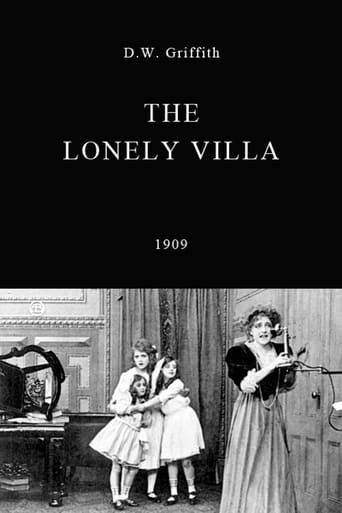
Abandoned by her maidservant in an isolated country house, a mother must protect herself and her baby from an invading tramp while her husband races home in a stolen car to save them.
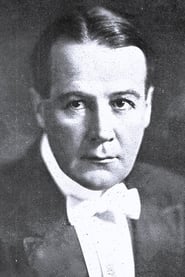
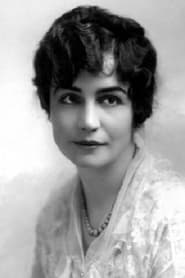
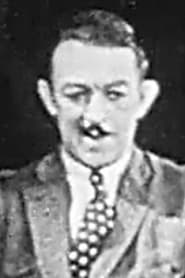
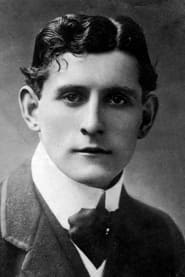
Cast & crew
More films like this
More Drama films
View all →







More from Phillips Smalley
View all →
More about this film
About the production
Release dateJuly 1913
ProductionUniversal Film Manufacturing Company
Filmed inLos Angeles, California
This film was co-directed by Phillips Smalley and Lois Weber, who were married at the time. Weber not only starred in the film but also co-wrote and co-directed it, making her one of the first women to direct films in Hollywood. The production utilized innovative techniques for its time, including split-screen effects and dramatic camera angles to enhance the suspense.
Themes
Maternal protectionDomestic vulnerabilityTechnology and communicationUrban vs. rural tensionsClass conflict
Themes & topics
trampintrudertelephonerace against timemother and childhome invasionsplit-screensuspensethrillersilent film
Historical background
Released in 1913 during the silent era's formative years, Suspense. reached audiences when exhibitors were still defining programming conventions. The narrative hook—Abandoned by her maidservant in an isolated country house, a mother must…—reflects what contemporary producers thought would draw viewers.
Why this film matters
Suspense. remains discussed by archivists tracing how screen stories of its period represented work, desire, conflict, and social order. Its central situation—Abandoned by her maidservant in an isolated country house, a mother must…—still prompts questions about genre conventions and audience expectations.
Making of
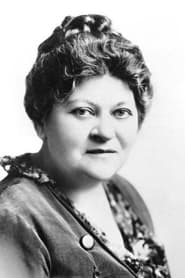
Lois Weber and Phillips Smalley were a married couple who frequently collaborated on films during this period. Weber was prolific and influential women in early Hollywood, eventually becoming the highest-paid director of her era. The film was made during Universal's early years when the studio was still establishing itself in the rapidly growing film industry. The production team experimented with camera techniques that would later become standard in thriller filmmaking, including dramatic lighting to create shadows and tension. The isolated house setting was likely filmed on a studio backlot with carefully constructed interiors to maximize the claustrophobic atmosphere.
What critics said
Trade and newspaper notices for Suspense. generally emphasized casting, spectacle, and program fit rather than extended aesthetic argument. Retrospective screenings and archival notes continue to shape how viewers evaluate Suspense. today.
Did you know?
- This is considered one of the earliest examples of the thriller/suspense genre in cinema history
- Lois Weber was one of the first female directors in Hollywood and co-directed this film with her husband Phillips Smalley
- The film features innovative use of split-screen to show simultaneous action, a technique that was for 1913
- The telephone plays a crucial role in the plot, reflecting the technology's growing importance in early 20th century American life
- The film's use of subjective camera angles and close-ups was ahead of its time
- Universal Film Manufacturing Company distributed this film during its early years
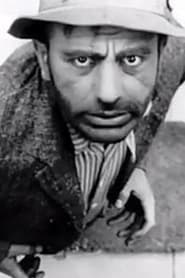
- The tramp character was played by Douglas Gerrard, who would later become a prominent character actor
- The film's tension is built through parallel editing between the mother's ordeal and the husband's journey
- This short film was part of Universal's 'Jewel' brand of higher-quality productions
- The baby in the film was played by an infant actor, though their name is not recorded in production records
Visual style
The cinematography by William H. Brown or Billy Bitzer (sources vary) was innovative for its time, featuring dramatic camera angles and lighting techniques that enhanced the film's suspenseful atmosphere. The use of split-screen to show simultaneous action was particularly, allowing audiences to see both the mother's predicament and the husband's desperate journey. Close-ups were employed strategically to emphasize emotional moments, especially the mother's terror and determination. The lighting created dramatic shadows that heightened the sense of menace, particularly in scenes involving the tramp's intrusion.
Innovations
The film's most significant technical achievement was its use of split-screen to depict simultaneous action, a technique that was highly innovative for 1913. The parallel editing between the mother's ordeal and the husband's journey created a sophisticated narrative structure that built maximum tension. The film also employed subjective camera angles and dramatic lighting that were ahead of their time. The use of the telephone as a plot device demonstrated how filmmakers were incorporating contemporary technology into their narratives. The efficient storytelling within a 10-minute timeframe showed remarkable narrative compression.
Music
As a silent film, 'Suspense' would have been accompanied by live musical performance in theaters. The typical accompaniment would have been piano or organ music, with the musician improvising or using cue sheets provided by the studio. The music would have been designed to enhance the suspenseful moments, with dramatic chords during tense scenes and softer melodies for emotional moments. No original score survives, but modern screenings typically use period-appropriate musical accompaniment.
Famous quotes
(Intertitle) 'A Drama of Real Life'
(Intertitle) 'The telephone rings.'
(Intertitle) 'Hurry, darling, hurry!'
Memorable scenes
- The split-screen sequence showing the mother barricading herself while the husband races home
- The mother's desperate telephone call to her husband
- The tramp's menacing approach to the isolated house
- The final confrontation and resolution
What audiences thought
The film was reportedly well-received by audiences of 1913, who found its suspenseful narrative compelling and emotionally engaging. The combination of domestic drama and criminal elements appealed to the broad audience base that theaters were trying to attract during this period. The film's brevity made it suitable for various programming slots in theater bills. Modern audiences who have seen the film through archival screenings or film society presentations often express surprise at how effectively the film builds tension despite its age and technical limitations compared to modern cinema.
Film connections
Influenced by
- D.W. Griffith's narrative techniques
- European thriller traditions
- Melodrama conventions
- Stage thriller adaptations
This film influenced
- D.W. Griffith's 'The Lonely Villa' (1909)
- Alfred Hitchcock's suspense techniques
- Film noir home invasion narratives
- Modern thriller split-screen techniques
Film restoration
The film survives in archives and has been preserved by film institutions including the Library of Congress. It is available through various film preservation organizations and has been included in collections of early American cinema. The print quality varies depending on the source, but the film remains largely intact and viewable.
Where to watch
- Library of Congress National Film Registry
- Film preservation websites
- Early cinema archives
- Film society screenings
- Academic film collections
- Some public domain streaming platforms