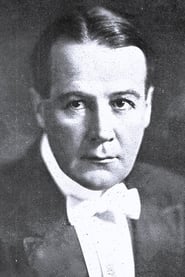
Phillips Smalley
Actor & Director
Born: August 7, 1865 in Brooklyn, New York, USA Died: May 2, 1939 Active: 1908-1938 Birth Name: Wendell Phillips Smalley
Films
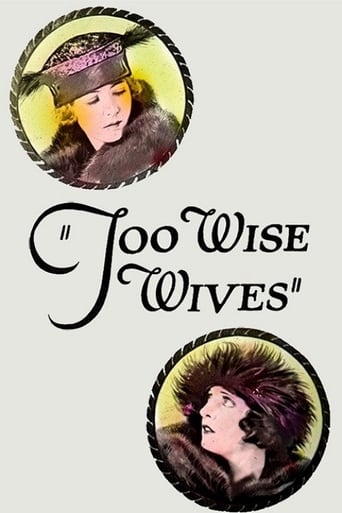
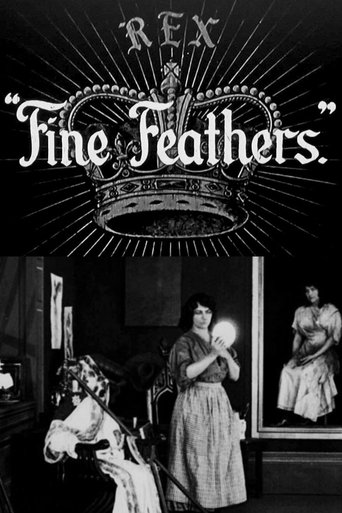
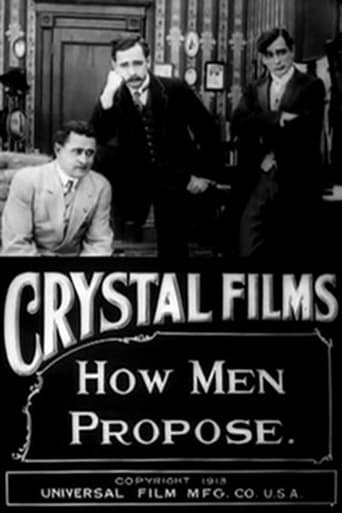
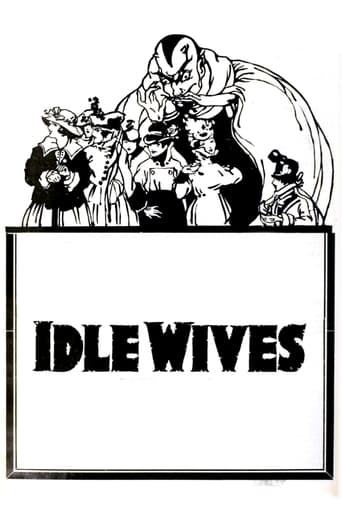
9 films
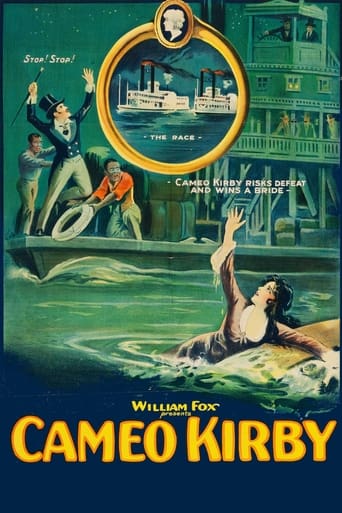
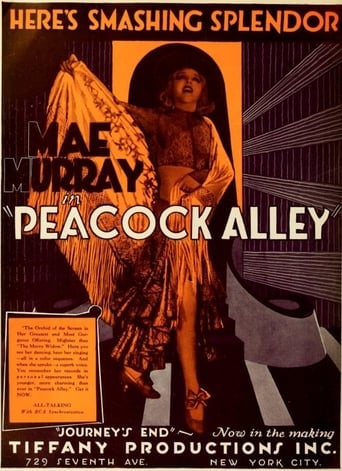
About Phillips Smalley
Made significant contributions to early cinema during the silent era. Born in 1865, he began his career in theater before transitioning to film in the early 1910s. Smalley formed a highly successful creative partnership with his wife Lois Weber, with whom he co-directed and co-wrote numerous films, establishing one of cinema's first notable directorial teams. Their collaboration produced innovative works that pushed the boundaries of early filmmaking, particularly in narrative structure and visual storytelling. Smalley's directorial style was characterized by sophisticated camera techniques and a focus on psychological depth in character development. After his partnership with Weber ended in the early 1920s, his career gradually declined, though he continued acting in smaller roles through the 1930s. His work during the silent era represents a crucial period in American cinema's artistic development, bridging the gap between primitive filmmaking and the more sophisticated narrative techniques that would follow.
The Craft
On Screen
Smalley's acting style reflected his theatrical background, characterized by dramatic gestures and expressive facial work typical of the silent era. He possessed a commanding screen presence that suited both leading and character roles. His performances often emphasized emotional intensity and psychological complexity, which aligned well with the sophisticated narratives he helped create. As he transitioned into directing, his understanding of performance greatly influenced his ability to elicit nuanced performances from his actors.
Behind the Camera
Phillips Smalley's directing style was innovative for its time, incorporating advanced camera techniques including tracking shots, unusual angles, and dynamic editing. He was particularly adept at creating suspense and psychological tension through visual storytelling. His collaboration with Lois Weber resulted in films that addressed complex social themes and pushed the boundaries of narrative cinema. Smalley was known for his meticulous attention to detail and his willingness to experiment with cinematic techniques that were considered groundbreaking in the early 1910s.
Milestones
- director during the silent era with innovative techniques
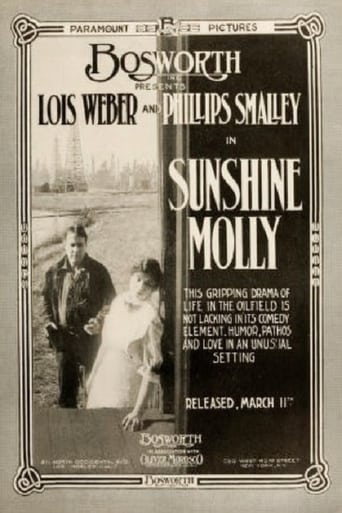
- Formed successful creative partnership with Lois Weber
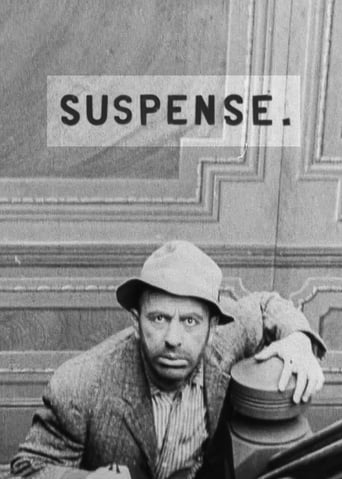
- Directed the influential thriller 'Suspense' (1913)
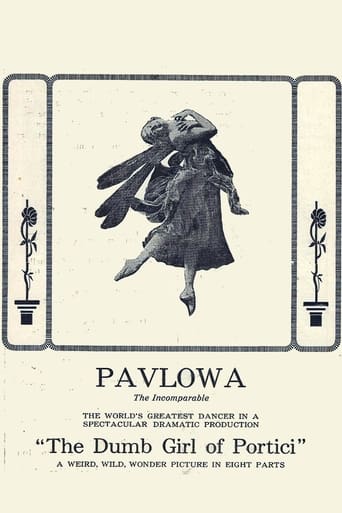
- Co-directed the ambitious feature 'The Dumb Girl of Portici' (1916)
- One of the first filmmakers to explore complex psychological themes
- Transitioned successfully from stage to film acting
- Contributed to over 200 films as actor, director, or writer
Best Known For
Iconic Roles
Must-See Films
Accolades
Special Recognition
- Pioneer in early American cinema
- Recognized for innovative filmmaking techniques in the silent era
Working Relationships
Worked Often With
Studios
Why They Matter
Impact on Culture
Phillips Smalley played a crucial role in the development of American cinema during its formative years. His innovative directing techniques, particularly in the thriller 'Suspense,' demonstrated the potential of cinema as a medium for psychological storytelling. The collaborative work with Lois Weber helped establish the director as the primary creative force in filmmaking, a concept that would become fundamental to cinema. Their films often addressed contemporary social issues, helping to establish cinema as a medium for serious artistic expression rather than mere entertainment.
Lasting Legacy
Phillips Smalley's legacy lies in his contributions to early cinematic language and technique. His work during the 1910s helped establish many conventions that would become standard in narrative filmmaking. While often overshadowed by his more famous wife Lois Weber, modern film historians recognize his significant contributions to early cinema. The techniques he pioneered in camera movement, editing, and visual storytelling influenced subsequent generations of filmmakers. His films remain important artifacts for understanding the evolution of American cinema from its primitive origins to a sophisticated art form.
Who They Inspired
Smalley influenced early filmmakers through his innovative use of camera techniques and narrative structure. His work on suspense and psychological themes prefigured later developments in the thriller genre. The collaborative directorial model he established with Weber influenced how creative partnerships would function in Hollywood. His approach to visual storytelling demonstrated cinema's potential beyond simple recording of staged events, helping to establish film as a unique artistic medium with its own language and techniques.
Off Screen
Phillips Smalley married actress and director Lois Weber in 1910, forming one of early cinema's most significant creative partnerships. Their marriage ended in divorce in 1922, coinciding with the decline of their professional collaboration. Smalley later married Phyllis Gordon in 1925, with whom he remained until his death. His personal life was marked by his dedication to the burgeoning film industry and his role in helping establish cinema as a legitimate art form. Despite his early success, he faced financial difficulties in his later years and died in relative obscurity in Hollywood.
Education
Limited formal education; trained in theater and acting through practical experience
Family
- Lois Weber (1910-1922)
- Phyllis Gordon (1925-1939)
Did You Know?
- His film 'Suspense' (1913) is considered one of the earliest examples of the thriller genre in cinema
- He and Lois Weber were one of the first married couples to direct films together
- His birth name was Wendell Phillips Smalley, but he used Phillips Smalley professionally
- He began his career in theater before transitioning to film
- During his peak, he was one of the highest-paid directors in Hollywood
- His film 'The Dumb Girl of Portici' (1916) was an ambitious production featuring opera singer Geraldine Farrar
- He directed over 100 films during his career, though many are now lost
- His collaboration with Weber ended both personally and professionally around the same time
- He appeared in his last film role in 1938, just a year before his death
- Despite his early success, he died in relative poverty and obscurity
Frequently Asked Questions
Who was Phillips Smalley?
American actor, on YTB.my. He was best known for his innovative filmmaking techniques and his creative partnership with actress-director Lois Weber, with whom he co-directed many influential early films.
What films is Phillips Smalley best known for?
Titles linked here include Suspense (1913), The Dumb Girl of Portici (1916).
When was Phillips Smalley born and when did he die?
Born August 7, 1865; died May 2, 1939.
What was Phillips Smalley's relationship with Lois Weber?
Phillips Smalley married Lois Weber in 1910 and formed one of early cinema's most significant creative partnerships. They co-directed, co-wrote, and co-starred in numerous films together, establishing themselves as one of the first important directorial teams in Hollywood before divorcing in 1922.
What was Phillips Smalley's directing style?
Smalley's directing style was innovative for its time, featuring advanced camera techniques like tracking shots and unusual angles. He excelled at creating suspense and psychological tension, and was known for addressing complex social themes in his films, particularly through his collaboration with Lois Weber.