Fine Feathers
"Portraits that made a painter's name"
Keys: Space play/pause · ←/→ 10s · F fullscreen · M mute · </> speed
About this film
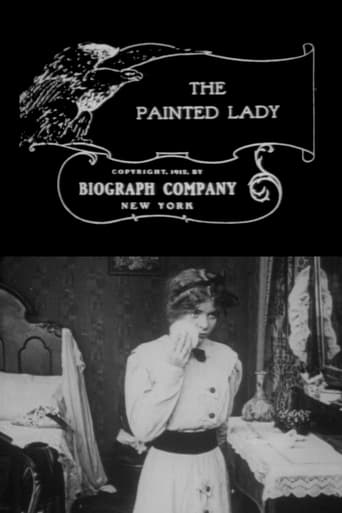
A painter's portraits of his maid bring him fame; she becomes his companion as success and romance intertwine in this one-reel drama.
Cast & crew
More films like this
More Drama films
View all →







More from Phillips Smalley
View all →
More about this film
About the production
Release date1912
ProductionUniversal Film Manufacturing Company
Filmed inLos Angeles, California
Fine Feathers was produced during the early years of American cinema when films were transitioning from one-reel shorts to longer, more complex narratives. The film was created during the period when Phillips Smalley and Lois Weber were both active performers before transitioning more heavily into directing. As a 1912 production, it would have been shot on black and white film stock with hand-tinting possibly used for certain scenes. The production likely utilized the simple indoor sets and natural lighting common in the era's studio filmmaking.
Themes
Class differencesArtistic inspirationRomantic relationshipsSocial mobilityProfessional success
Themes & topics
Historical background
The 1912 premiere of Fine Feathers coincided with broader shifts in silent era culture, from technology to social norms. It was produced the Rex Motion Picture Company and distributed six months before the formation of Universal Film Manufacturing Company. is preserved in the Library of Congress collection.
Why this film matters
Fine Feathers has outlived its original run as a document of silent era popular entertainment and craft.
Making of
Fine Feathers was created during a formative period in American cinema when the industry was establishing itself in California. Phillips Smalley and Lois Weber were not only the stars but likely had significant creative input given their later prominence as directors. The film was produced by Universal in its first year of operation, making it part of the studio's early output. The relationship between Smalley and Weber both on and off screen would have influenced the film's dynamic. As a 1912 production, the filmmaking techniques would have been relatively straightforward, with static cameras and theatrical-style acting typical of the transitional period between early cinema and more sophisticated narrative filmmaking. The art-themed plot may have drawn from theatrical traditions while exploring the new visual possibilities of cinema.
What critics said
Re-evaluation in film journals has kept Fine Feathers in circulation among enthusiasts who track silent era releases. is preserved in the Library of Congress collection.
Did you know?
- Phillips Smalley and Lois Weber were married in real life and frequently collaborated both as actors and directors in early cinema
- Lois Weber would go on to become among the pivotal female directors in silent film history, directing over 130 films
- The film was produced by Universal Film Manufacturing Company, which had been founded just one year earlier in 1912
- 1912 was a pivotal year in cinema, marking the transition from one-reel films to longer feature-length productions
- The theme of an artist finding inspiration in a working-class subject was a common motif in early dramatic films
- Charles De Forrest was a frequent collaborator with Smalley and Weber in their early Universal productions
- The film's title 'Fine Feathers' references the proverb 'Fine feathers make fine birds,' suggesting themes of appearance versus reality
- During this period, many films were still being shot in the Los Angeles area before Hollywood became the established center of American film production
- The film was likely shot on 35mm film, which was the standard for professional productions of the era
- Phillips Smalley began his career as a stage actor before transitioning to films in the early 1910s
Visual style
The cinematography of Fine Feathers would have employed the techniques common to 1912 studio productions. Likely shot on 35mm black and white film, the visual style would have featured relatively static camera positions with occasional pans or tracking shots. Interior scenes would have been lit using artificial lighting to create dramatic effects, while any exterior scenes would have utilized natural light. The film may have employed some hand-tinting for color effects, particularly for artistic or dramatic emphasis. Composition would have followed theatrical conventions, with careful framing of actors within the picture space. The cinematography would have served the narrative needs while working within the technical limitations of the era.
Innovations
Fine Feathers represents the technical standards of American filmmaking in 1912, a period of significant innovation in the medium. The film would have been shot on celluloid film stock using hand-cranked cameras, requiring precise timing by the cinematographer. The production likely employed artificial lighting techniques that were becoming more sophisticated in studio settings. Editing techniques would have included basic continuity cutting to advance the narrative, representing the growing sophistication of film grammar. The film's multi-reel structure (if applicable) would have demonstrated the industry's move toward longer, more complex narratives. Any special effects would have been achieved through in-camera techniques rather than post-production manipulation.
Music
As a silent film, Fine Feathers would have been accompanied by live musical performance during theatrical exhibition. Theaters would typically provide piano or organ accompaniment, with larger venues employing small orchestras. The musical score would have been compiled from popular pieces of the era or specially composed cue sheets provided by the studio. The music would have been synchronized with the on-screen action and emotional content, with romantic themes for the developing relationship and more dramatic music for moments of tension or revelation. The quality and style of musical accompaniment would have varied significantly between theaters based on their resources and the skill of their musicians.
Famous quotes
Fine feathers make fine birds - the proverb referenced by the film's title
Memorable scenes
- The creation of the two portraits that transform the painter's career
- The evolving relationship between the artist and his maid
- The moment when the painter achieves fame and recognition
- The social dynamics between the characters from different classes
What audiences thought
Audience reception in 1912 would have been influenced by the growing popularity of dramatic films and the emerging star system. The romantic themes and class dynamics would have resonated with contemporary audiences. The performances of Phillips Smalley and Lois Weber, who were building their reputations as reliable dramatic actors, would have been a draw. The film's artistic setting and romantic elements would have appealed to the increasingly female-dominated movie theater audiences of the period. As with many films of this era, word-of-mouth and theater programming decisions would have significantly impacted its commercial success.
Film connections
Influenced by
- Theatrical melodrama
- 19th-century literature
- Progressive Era social consciousness
- European art cinema
This film influenced
- Later films about artists and their muses
- Class-romance narratives in silent cinema
- Early dramatic films by Universal
Film restoration
Fine Feathers is believed to be a lost film, as is the case with the majority of films from the 1912 era. The survival rate for American silent films from this period is estimated to be less than 10%, with many lost due to the nitrate film stock's deterioration, lack of preservation efforts, and studio disposal practices. No known copies or fragments of the film are known to exist in major film archives or private collections. The film exists only through written documentation and contemporary reviews rather than as a viewable work.
Where to watch
- As a lost film, Fine Feathers is not available for viewing in any format. No known copies exist in film archives or private collections. The film can only be studied through historical documentation, contemporary reviews, and scholarly analysis of its place in early cinema history.