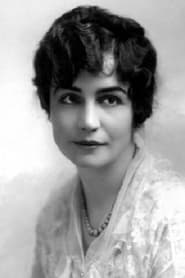
Lois Weber
Actor & Director
Born: June 13, 1879 in Allegheny, Pennsylvania, USA Died: November 13, 1939 Active: 1910-1934
Films
10 films
About Lois Weber
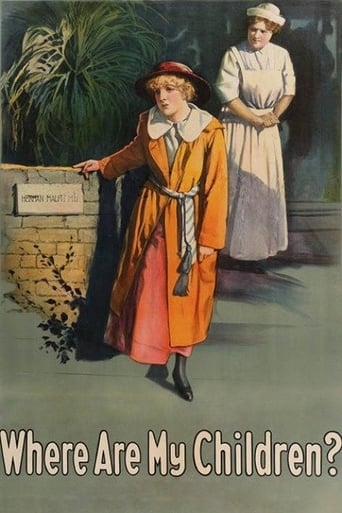
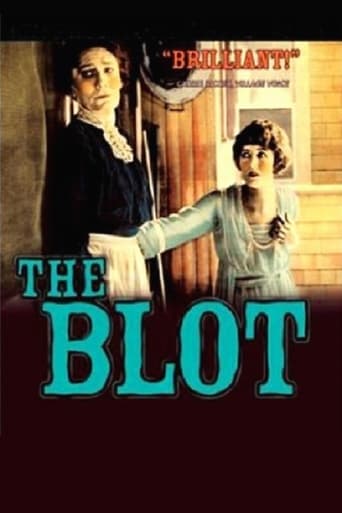
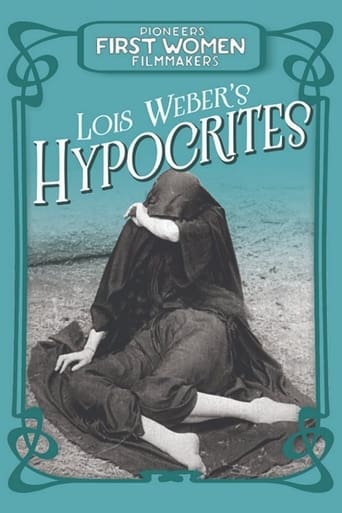
American film director, screenwriter, and actress who became and influential figures in early cinema. Born in 1879 in Pennsylvania, she began her career as an actress with the Gaumont company in 1910 before quickly transitioning to directing alongside her first husband Phillips Smalley. By 1914, she was directing films solo and established herself as Universal Studios' highest-paid director, earning an unprecedented $5,000 per week. Weber was known for tackling controversial social issues including birth control, poverty, drug addiction, and religious hypocrisy in films like 'Where Are My Children?' (1916) and 'The Blot' (1921). She was the first woman to direct a full-length feature film in the United States and one of the first directors to experiment with split-screen techniques and sound in silent films. Despite her massive success and influence during the silent era, her career declined with the transition to sound films, and she died in relative obscurity in 1939, only to be rediscovered by film historians decades later as a crucial figure in cinema history.
The Craft
On Screen
Weber's acting style was naturalistic and restrained compared to the exaggerated gestures common in silent era performance. She brought a sense of psychological realism to her roles, particularly in her early career, which influenced her directing approach. Her performances were marked by subtlety and emotional depth, focusing on internal character motivation rather than external theatrics.
Behind the Camera
Lois Weber's directing style was characterized by social consciousness, technical innovation, and psychological depth. She excelled in visual storytelling, using lighting, composition, and editing to create emotional impact and convey complex themes. Weber frequently employed location shooting and naturalistic settings to enhance realism. Her films often featured strong female protagonists and addressed controversial social issues including birth control, poverty, religious hypocrisy, and gender inequality. She was known for her meticulous attention to detail and willingness to experiment with cinematic techniques like split-screen, double exposure, and early synchronized sound.
Milestones
- First American woman to direct a feature-length film (The Merchant of Venice, 1914)
- Highest-paid director in Hollywood during the 1910s earning $5,000/week
- Formed her own production company, Lois Weber Productions, in 1917
- Directed over 100 films during her career
- First woman elected to the Motion Picture Directors Association
- Pioneered technical innovations including split-screen and early sound experiments
- Tackled controversial social issues in mainstream cinema
Best Known For
Iconic Roles
Must-See Films
Accolades
Won
- Posthumous induction into the National Women's Hall of Fame (2016)
- Star on the Hollywood Walk of Fame (1960)
- D.W. Griffith Award for Lifetime Achievement (posthumous)
Nominated
- Academy Award consideration for Best Director (unofficial, before category was formally established)
Special Recognition
- Hollywood Walk of Fame Star (1724 Vine Street)
- National Women's Hall of Fame Inductee
- AFI's 100 Years.100 Directors (considered but not included due to historical oversight)
- Multiple film retrospectives at Museum of Modern Art and other major institutions
- Subject of the 2017 documentary 'Lois Weber: The Movie Director'
Working Relationships
Worked Often With
Studios
Why They Matter
Impact on Culture
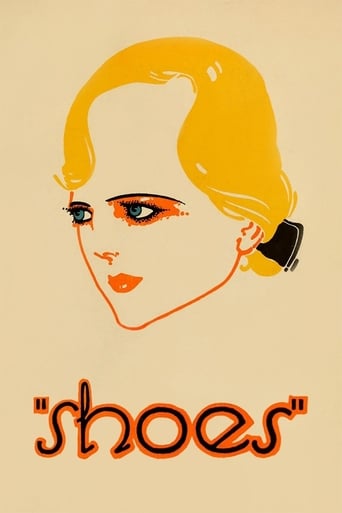
Lois Weber's cultural impact was revolutionary for her time and continues to resonate in contemporary cinema. She broke gender barriers in an industry dominated by men, proving that women could direct complex, commercially successful films. Her willingness to tackle taboo subjects like birth control ('Where Are My Children?'), poverty ('Shoes'), and religious hypocrisy ('Hypocrites') pushed the boundaries of what was acceptable in mainstream cinema. Weber's films were often censored or banned, but they also sparked important public discussions about social issues. She demonstrated that cinema could be both entertaining and socially relevant, setting a precedent for socially conscious filmmaking. Her technical innovations, particularly in editing and visual storytelling, influenced the development of film language itself.
Lasting Legacy
Lois Weber's legacy is that of a trailblazer whose contributions to cinema were nearly lost to history but have been increasingly recognized in recent decades. As one of the first and most successful women directors in Hollywood, she paved the way for future generations of female filmmakers. Her films, once considered lost, have been rediscovered and restored by film archives, revealing her sophisticated visual style and progressive themes. Weber is now recognized as a crucial figure in early American cinema, with scholars and critics reevaluating her place in film history. Her work has been the subject of numerous books, documentaries, and film retrospectives, cementing her status as a auteur. The rediscovery of her films has challenged traditional narratives about the history of women in cinema and highlighted the significant role women played in shaping early Hollywood.
Who They Inspired
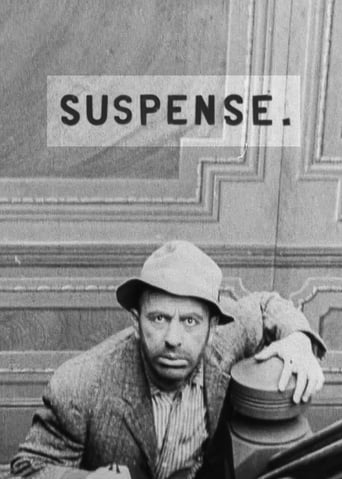
Lois Weber influenced countless filmmakers, both directly and indirectly. Her technical innovations, particularly her use of split-screen in 'Suspense' (1913), predated and influenced similar techniques by other directors. Her approach to social issue filmmaking paved the way for later directors who used cinema as a platform for social commentary. Women directors from Dorothy Arzner to Agnès Varda to Sofia Coppola have acknowledged Weber as a figure who made their careers possible. Her emphasis on psychological realism and naturalistic performance influenced the evolution of acting in cinema. Weber's success in running her own production company demonstrated that independent filmmaking was viable, inspiring future generations of independent filmmakers. Her willingness to tackle controversial subjects helped expand the range of acceptable topics in mainstream cinema, influencing everything from the social problem films of the 1930s to the independent cinema of today.
Off Screen
Lois Weber's personal life was marked by both professional collaboration and personal turmoil. Her first marriage to Phillips Smalley was both a creative partnership and personally challenging, ending in divorce in 1922. She later married Harry Gantz in 1926. Weber had one daughter, Phyllis, from her first marriage. Despite her professional success, she struggled with financial difficulties in her later years and suffered from poor health. She was deeply religious and often incorporated her moral and spiritual concerns into her films. Her final years were spent in relative poverty and obscurity, a stark contrast to her earlier fame and influence.
Education
Attended public schools in Pittsburgh, Pennsylvania; briefly studied piano and voice; left home as a teenager to work as a street-corner evangelist and missionary
Family
- Phillips Smalley (1904-1922)
- Harry Gantz (1926-1939)
Did You Know?
- At the height of her career, Lois Weber was the highest-paid director in Hollywood, earning $5,000 per week
- She was the first woman to direct a full-length feature film in America ('The Merchant of Venice', 1914)
- Weber — piano prodigy as a child and could play by ear
- Before entering films, she worked as a missionary and social worker
- She directed over 100 films, but only about 20 survive today
- Weber was one of the first directors to use split-screen techniques in 'Suspense' (1913)
- She was the first woman elected to the Motion Picture Directors Association in 1916
- Her film 'Hypocrites' (1915) featured nude scenes that caused controversy but were artistic rather than exploitative
- Weber formed her own production company in 1917, giving her complete creative control
- She experimented with early sound technology in the 1920s, before the talkie revolution
- Weber's film 'Where Are My Children?' (1916) was one of the first to address birth control and was banned in several places
- She directed both versions of 'The Blot' (1921) - the American and European versions
- Weber — strong advocate for women's rights both in and out of her films
- She mentored many young actresses and crew members throughout her career
- Her films were among the first to be studied seriously by film scholars in the 1970s feminist film movement
In Their Own Words
In moving pictures I have found my life's work. I feel as though I could do it forever and ever.
A picture must be made with the heart as well as with the head.
I don't believe there is any art in the world that can teach so much as the motion picture.
The moving picture is the greatest educational and moral force the world has ever known.
I don't like to make pictures for the sake of making money. I want to make pictures that will do some good.
A woman's place is in the home - if she's a good housekeeper. But if she can do better work outside the home, let her do it.
I have always believed that the motion picture can be made a great force for the moral and spiritual uplift of humanity.
Frequently Asked Questions
Who was Lois Weber?
American on YTB.my. She was the first American woman to direct a feature film and, at the height of her career in the 1910s, was the highest-paid director in Hollywood, known for tackling controversial social issues and technical innovations.
What films is Lois Weber best known for?
Titles linked here include Hypocrites (1915), Where Are My Children? (1916).
When was Lois Weber born and when did she die?
Born June 13, 1879; died November 13, 1939.
What awards did Lois Weber win?
While Lois Weber worked primarily before the Academy Awards were established, she received significant recognition during her lifetime including being the highest-paid director in Hollywood. Posthumously, she has been inducted into the National Women's Hall of Fame (2016), received a star on the Hollywood Walk of Fame, and has been recognized by film preservation organizations and feminist film scholars for her contributions to cinema.
What was Lois Weber's directing style?
Lois Weber's directing style was characterized by social consciousness, technical innovation, and psychological depth. She frequently addressed controversial social issues, used naturalistic acting styles, and experimented with cinematic techniques like split-screen and early sound. Her films often featured strong female protagonists and combined entertainment with moral and social commentary, making her one of cinema's first true auteurs.