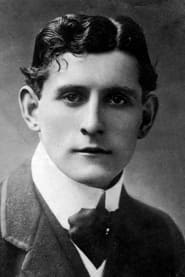
Douglas Gerrard
Actor
Born: August 12, 1891 in Dublin, Ireland Died: June 5, 1950 Active: 1913-1932 Birth Name: Douglas Patrick Gerrard
Films
4 films
About Douglas Gerrard
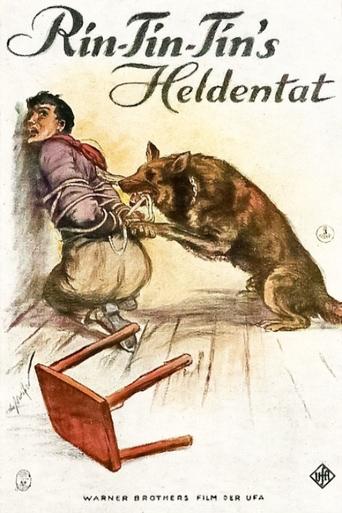
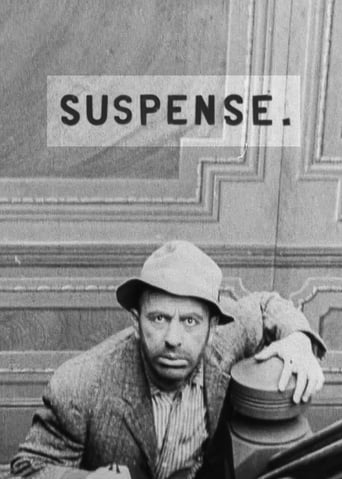
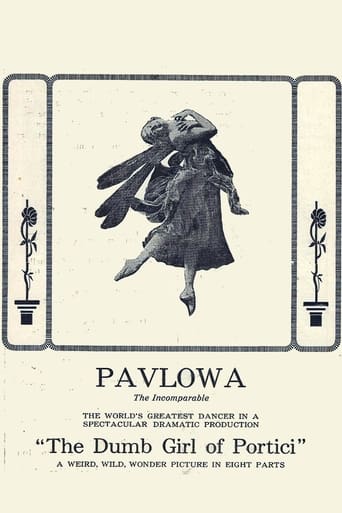
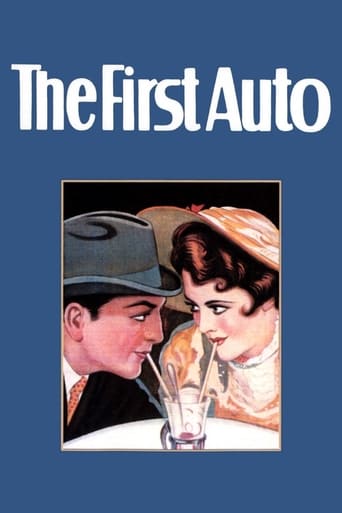
Made significant contributions to silent cinema during its golden age. Born in Dublin, Ireland, he emigrated to the United States and began his film career in the early 1910s, appearing in the thriller 'Suspense' (1913), which was notable for its innovative cinematography techniques. Throughout his career, Gerrard established himself as a reliable character actor, working with major studios including Universal Pictures and appearing alongside some of the era's biggest stars. His performance in 'The Dumb Girl of Portici' (1916) showcased his ability to convey emotion without dialogue, a crucial skill in silent cinema. Gerrard continued working steadily through the 1920s, appearing in films like 'The Lighthouse by the Sea' (1924) with Rin Tin Tin and 'The First Auto' (1927), which demonstrated his versatility across different genres. As the transition to sound films began, Gerrard's career slowed, though he continued to appear in smaller roles into the early 1930s before retiring from acting. His the entire golden age of silent cinema, making him a witness to and participant in the evolution of early American filmmaking.
The Craft
On Screen
Gerrard was known for his naturalistic acting style that was ahead of its time in the silent era. Unlike many of his contemporaries who relied on exaggerated gestures and facial expressions, Gerrard employed subtle, nuanced performances that conveyed emotion through minimal movement and expressive eyes. His ability to portray complex characters without overacting made him particularly valuable in dramatic roles, and he often played authority figures, villains, or sympathetic supporting characters with equal skill.
Milestones
- Appeared in the groundbreaking thriller 'Suspense' (1913)
- Co-starred with legendary Polish actress Pola Negri in 'The Dumb Girl of Portici' (1916)
- Worked with canine superstar Rin Tin Tin in 'The Lighthouse by the Sea' (1924)
- Appeared in Universal's historical comedy 'The First Auto' (1927)
- Transitioned successfully from supporting roles to character parts throughout his career
Best Known For
Iconic Roles
Must-See Films
Accolades
Special Recognition
- Pioneer of Silent Cinema recognition by film historians
Working Relationships
Worked Often With
Studios
Why They Matter
Impact on Culture
Douglas Gerrard contributed to the development of narrative cinema during its formative years. His work in 'Suspense' (1913) helped establish visual storytelling techniques that would become standard in film language. As a reliable character actor, he supported the transition from short films to feature-length productions, demonstrating how supporting roles could enhance narrative complexity. His performances alongside international stars like Pola Negri helped bridge European and American cinema styles during the silent era. Gerrard's career exemplifies the journey of many immigrant actors who helped build Hollywood's golden age.
Lasting Legacy
Though largely forgotten by mainstream audiences, Douglas Gerrard remains significant to film historians as a representative of the working actors who formed the backbone of silent cinema. His filmography provides valuable documentation of the evolution of American film from primitive one-reelers to sophisticated feature productions. His naturalistic acting style influenced subsequent generations of character actors, particularly in how to convey emotion without dialogue. Film preservationists continue to restore and study his surviving works as examples of early 20th century American cinema.
Who They Inspired
Gerrard's subtle approach to silent acting influenced other character actors who sought to move beyond the theatrical style prevalent in early cinema. His work with director Lois Weber helped demonstrate how male actors could effectively support female-driven narratives in early Hollywood. His professionalism and reliability set standards for supporting actors in studio productions, and his ability to transition between genres showed the versatility needed for longevity in the rapidly changing film industry of the 1910s and 1920s.
Off Screen
Douglas Gerrard married actress and screenwriter Rita Carewe in 1925, though the marriage ended in divorce. He was known in Hollywood circles for his professionalism and dedication to his craft, often working long hours on film sets. Despite his Irish heritage, he quickly adapted to American culture and became a naturalized citizen. He lived in Los Angeles for most of his career and maintained friendships with many silent era actors even after retiring from films. In his later years, he worked briefly as a talent scout for Universal Studios.
Education
Educated in Dublin schools before emigrating to the United States; no formal acting training recorded
Family
- Rita Carewe (1925-1928)
Did You Know?
- Was one of the few Irish actors to achieve steady work in early Hollywood
- Appeared in over 100 films during his career, though many are now lost
- Worked with the famous dog actor Rin Tin Tin on multiple occasions
- His real name was Douglas Patrick Gerrard, but he dropped Patrick for his screen name
- Survived the transition from silent films to talkies better than many of his contemporaries
- Was a founding member of the Screen Actors Guild's precursor organization
- Spoke fluent Irish Gaelic, though this was never used in his American films
- Once worked as a stunt double for Wallace Beery in an early Universal production
- His performance in 'Suspense' (1913) is studied in film schools for its innovative use of split-screen
- Retired from acting just as the Great Depression began to impact Hollywood
In Their Own Words
In silent pictures, your eyes must do what your voice cannot
Every character actor is the foundation upon which stars build their performances
The camera sees everything - you cannot lie to it
We were pioneers, though we didn't know it at the time
Frequently Asked Questions
Who was Douglas Gerrard?
Irish-born American character with credits in this catalog. He appeared in over 100 films and was known for his naturalistic acting style and versatility across different genres.
What films is Douglas Gerrard best known for?
Titles linked here include Suspense (1913), The Dumb Girl of Portici (1916).
When was Douglas Gerrard born and when did he die?
Born August 12, 1891; died June 5, 1950.
What awards did Douglas Gerrard win?
Douglas Gerrard did not receive major formal awards during his career, as was common for character actors in the silent era. However, he is recognized by film historians as a significant contributor to early American cinema.
What was Douglas Gerrard's acting style?
Gerrard was known for his naturalistic and subtle acting style, which was unusual for the silent era when exaggerated performances were common. He conveyed emotion through minimal movement and expressive eyes, making him particularly effective in dramatic roles.
Did Douglas Gerrard transition to sound films?
Yes, Gerrard successfully transitioned to sound films, though his roles became smaller and less frequent. He appeared in a few early talkies in the early 1930s before retiring from acting altogether.
What studios did Douglas Gerrard work with?
Gerrard worked primarily with Universal Pictures but also appeared in films for Fox Film Corporation and Paramount Pictures. He was known as a reliable studio contract player who could fill various character roles.
Was Douglas Gerrard married?
Yes, Douglas Gerrard was married to actress and screenwriter Rita Carewe from 1925 to 1928. The marriage ended in divorce, and he did not remarry.