
The Pest
"Salesman who trying hard pitch"
Keys: Space play/pause · ←/→ 10s · F fullscreen · M mute · </> speed
About this film
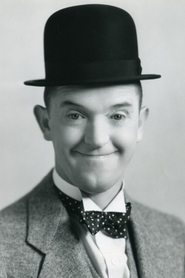
Stan is Jimmy Smith, a salesman who is trying hard to pitch his Napoleon book to an uninterested customer as they stand in front of some iron gates. When an elderly gentleman approaches the two men he uses sign language to communicate to the 'customer' and they leave together. This is when Stan sees the sign for the Deaf & Dumb Institute that his subject was standing in front of. An elderly lady then walks out of the gates and Stan uses sign language in an attempt to talk to her. Of course, she is not deaf or dumb and gives him some verbal abuse for assuming so.
Cast & crew
More films like this

More Comedy films
View all →







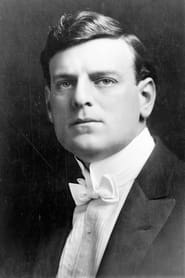
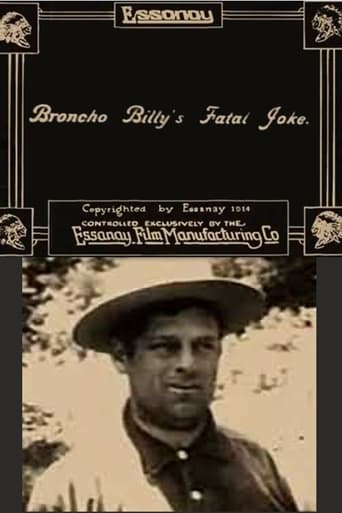
More from Gilbert M. Anderson
View all →
More about this film
About the production
Release dateMarch 1922
ProductionGilbert M. Anderson Productions
Filmed inLos Angeles, California
This short comedy was produced during Stan Laurel's early solo period in American cinema, before his partnership with Oliver Hardy. Director Gilbert M. Anderson, also known as 'Broncho Billy' Anderson, was a pioneering figure in early Western films and one of the first movie stars. The film was typical of the two-reel comedies being produced for theatrical programs during the silent era, featuring simple situational comedy that relied on physical gags and misunderstandings rather than complex plotting.
Themes
MiscommunicationSalesmanship and persistenceSocial assumptions and prejudiceComedy of embarrassmentVisual communication vs. verbal communication
Themes & topics
Historical background
Made in 1922, The Pest reflects production norms of late silent cinema and the transition toward sound—shorter runtimes, regional audiences, and limited preservation infrastructure.
Why this film matters
Historians reference The Pest (1922) when discussing 1922 film by Broncho Billy Anderson.
Making of
The production of 'The Pest' took place during a transitional period in comedy filmmaking, as the industry was moving from one-reel to two-reel formats. Gilbert M. Anderson, having established himself as a Western star, was directing comedies for various studios by this time. The film was likely shot quickly over a few days, as was typical for short comedies of the era. The location at what appears to be an actual institution for the deaf and dumb suggests the production was taking advantage of real Los Angeles locations rather than building sets. Stan Laurel was still developing his screen persona, which would later become more refined in his partnership with Oliver Hardy. The film's simple premise allowed for maximum physical comedy and visual gags, essential elements for silent film humor that could be understood by international audiences.
What critics said
Trade and revival screenings have kept The Pest (1922) on the map for collectors and scholars rather than mass first-run promotion.
Did you know?
- This film represents one of Stan Laurel's early solo appearances before he was paired with Oliver Hardy in 1927
- Director Gilbert M. Anderson was the first cowboy movie star and made over 400 short films as 'Broncho Billy'
- The film's comedy premise about misunderstanding deafness was a common trope in silent comedy, relying on visual humor that transcended language barriers
- Stan Laurel had been making films in America since 1917 after moving from England, developing his screen persona through dozens of shorts like this
- The iron gates featured in the film were likely part of a real Los Angeles institution, as location shooting was becoming more common by 1922
- This type of short comedy was typically shown as part of a larger theatrical program, alongside newsreels, other shorts, and a feature film
- The Napoleon book prop represents the era's fascination with historical figures, which was a popular subject for both literature and film
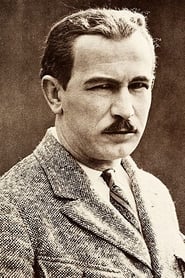
- Glen Cavender, who plays the customer, was a regular supporting actor in comedies of this period
Visual style
The cinematography of 'The Pest' reflects the standard practices of early 1920s short comedy production. The camera work was likely straightforward, using medium shots to capture the physical comedy and facial expressions essential to silent film humor. The iron gates and institutional setting would have been filmed to establish location clearly, while close-ups would emphasize Stan Laurel's expressive reactions. The lighting would have been natural or basic studio lighting, as this was before the more sophisticated techniques that would emerge later in the decade. The visual composition would prioritize clarity of action and expression over artistic experimentation, as the primary goal was effective communication of the comedic situation.
Innovations
While 'The Pest' does not feature significant technical innovations, it represents the standardized production techniques that had been established in Hollywood by the early 1920s. The film uses basic continuity editing and shot selection appropriate for comedy, with clear spatial relationships between characters and their environment. The use of location shooting at what appears to be a real institution demonstrates the industry's increasing move away from exclusively studio-bound production. The film's technical aspects are competent but unremarkable, reflecting the efficient, factory-like production methods that had become standard for short comedies by this time.
Music
As a silent film, 'The Pest' would have been accompanied by live music during its theatrical run. The typical accompaniment for a short comedy of this type would have been piano music, possibly with some organ or small ensemble depending on the theater's resources. The score would have been compiled from existing published music appropriate to the mood of each scene, with more upbeat, playful music for the comedic moments and perhaps more dramatic or romantic cues when needed. No original composed score was created for the film, as was common for shorts of this period. Modern screenings would likely feature newly composed piano accompaniment that follows the film's emotional beats and comedic timing.
Famous quotes
(Silent film - no dialogue quotes available)
Memorable scenes
- The climactic moment when Stan Laurel attempts sign language with the elderly woman, only to receive her verbal abuse, creating the film's central comedic payoff
What audiences thought
Audiences in 1922 would have viewed 'The Pest' as part of a larger evening's entertainment, likely appreciating its straightforward humor and relatable situation. The comedy of misunderstanding was a reliable formula that consistently worked with audiences of the period. Modern audiences, particularly film enthusiasts and Laurel and Hardy fans, view the film with historical interest, appreciating the chance to see Stan Laurel's early solo work. The film serves as a time capsule of silent comedy style, though some elements may not resonate with contemporary viewers due to changing social attitudes and comedic sensibilities.
Film connections
Influenced by
- Earlier Mack Sennett comedies
- Charlie Chaplin's tramp character
- General slapstick comedy traditions of the 1910s
This film influenced
- Later Laurel and Hardy shorts featuring similar misunderstanding gags
- Other comedy shorts of the 1920s that used similar premises
Film restoration
The preservation status of 'The Pest' (1922) is unclear, as many short comedies from this period have been lost or exist only in incomplete form. Some early Laurel shorts have survived through archives and private collections, often as 16mm copies made for television distribution in the 1950s. The film may exist in film archives such as the Library of Congress or the Museum of Modern Art, but comprehensive preservation information is not readily available.
Where to watch
- The film is not currently available on major streaming platforms. It may occasionally appear in film festival screenings of silent comedy retrospectives or be accessible through specialized film archives and silent film societies. Some early Laurel shorts have been released on DVD collections of his pre-Hardy work, though availability is limited.